
The Power of Movie and TV Franchise Tie-Ins
One of the strongest drivers in today's toy aisles is the connection to beloved movies and television shows. When a major film or series hits, toy sales often follow right behind. This strategy proved its worth during a period when overall industry growth slowed. While non-licensed toys saw only modest single-digit gains, products tied to popular franchises delivered real rebounds.
Think about the Barbie movie phenomenon or the excitement around Transformers and Ninja Turtles. These releases turned into major retail moments, with kids begging for figures, playsets, and accessories that let them recreate favorite scenes at home. Streaming services have leaned into this model too. Disney+ releases like "Soul" and "Raya and the Last Dragon" came with coordinated toy lines that appeared in big-box stores shortly after the films debuted digitally. With over 150 million subscribers and growing search interest, Disney has shown how direct-to-streaming can still fuel physical product sales.
This trend benefits everyone in the ecosystem. Studios gain extra revenue streams and deeper fan engagement. Manufacturers get built-in marketing through massive advertising campaigns. Retailers see foot traffic and higher average order values. For parents, these toys often feel like a safer bet because they connect to stories their kids already love. In 2025, expect even tighter integration between entertainment releases and toy development cycles. Brands will continue timing product launches with theatrical and streaming premieres to maximize the cultural moment.
Why Classic Toys Are Making a Strong Comeback
Amid all the flash and tech, there's a noticeable return to simpler, nostalgic playthings that many parents remember from their own childhoods. This comfort factor is proving powerful. Industry observers believe classic toys can help offset some of the losses when very young children shift toward video games and smartphones earlier than previous generations.
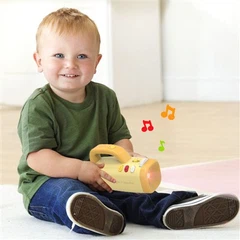
The Tonka Mighty Dump Truck offers a perfect case study. Sales of this durable, no-frills vehicle reportedly jumped more than 250 percent year-over-year in one recent period. Parents appreciate toys that feel substantial and timeless rather than disposable. Fisher-Price has leaned heavily into this space, reviving 1980s and 1990s vibes with items like a baby's boombox, a toy Game Boy, and even a baby's mixtape player. The company created an Instagram "virtual museum" showcasing decades of its history, complete with direct shopping links.
Mattel is getting in on the nostalgia wave too. The company plans to re-release a tabletop Whac-A-Mole game along with a matching card game. They've even partnered on a reality show built around the classic arcade concept. These moves show how heritage brands are refreshing old favorites for new audiences while keeping the core appeal intact. For many families, these toys represent reliable fun that doesn't require batteries, Wi-Fi, or constant supervision. In an increasingly digital world, the tactile, screen-free experience feels refreshing and valuable.


Growing Environmental Concerns and the Push for Sustainability
Parents today are more aware than ever of the environmental impact of the products they buy. Headlines about plastic waste have hit home, and many are demanding better from toy makers. The industry produces over a million tons of plastic waste annually, and most toys combine materials in ways that make recycling nearly impossible. This reality is forcing change.
Major players are responding with public commitments. Mattel has set an ambitious goal to use 100 percent recycled, recyclable, or bio-based materials in its products and packaging by 2030. Some lines already incorporate sugarcane-based alternatives. These efforts resonate with environmentally conscious families who want to feel good about their purchases.
However, the transition isn't easy. Hasbro once promised to eliminate plastic from packaging by 2022 but walked back the commitment after customer feedback. The challenge lies in balancing durability, safety, cost, and appeal. Toys need to withstand rough play while meeting strict safety standards. Completely removing plastics without compromising quality or raising prices significantly remains difficult.
Still, the momentum is building. Expect more innovation in sustainable materials, better recycling programs, and transparent reporting on environmental footprints. Brands that can credibly communicate their green efforts will likely win loyalty from today's parents, many of whom prioritize planetary health alongside fun.
The Rise of Toy Subscription Services
Another practical response to both environmental concerns and household budgets is the growth of toy subscription boxes. American families spend thousands of dollars on toys over the course of a child's childhood. Subscription services offer a way to provide variety without permanent clutter or ongoing purchases.
These models let parents rent age-appropriate toys for a period, then swap them out for the next stage of development. It appeals strongly to families trying to reduce waste and avoid overflowing playrooms. Search interest in "toy subscription" has more than doubled over the past decade, with strong adoption in the United States, United Kingdom, and China.
For manufacturers and retailers, subscriptions create recurring revenue and valuable data on what kids actually play with over time. They also introduce families to new brands and products they might not have discovered otherwise. As this channel matures, look for more customization options, better integration with educational goals, and partnerships with traditional toy makers looking to expand their reach.


The Unboxing Phenomenon and Surprise Packaging
Kids today live in a world where information is instantly available. They can watch reviews, see gameplay, or preview almost anything online. That predictability has created a craving for genuine surprise and delight. Toy companies are responding with increasingly elaborate packaging and blind-box formats designed for maximum "unboxing" excitement.
The concept is straightforward: children can't see exactly what's inside until they open it. This builds anticipation and turns the act of opening a toy into an event. Industry leaders note that this sense of whimsy is harder to find in an always-online culture. Well-executed surprise elements give kids a thrill that digital experiences sometimes lack.
Brands are investing in creative packaging that enhances the reveal moment-think layered boxes, hidden compartments, or collectible series. This trend works especially well with smaller, collectible-style items but is expanding across categories. For retailers, eye-catching unboxing-friendly designs also perform well on social media, creating organic marketing when kids and parents share their reactions.
Advanced Tech Toys and the AI Revolution
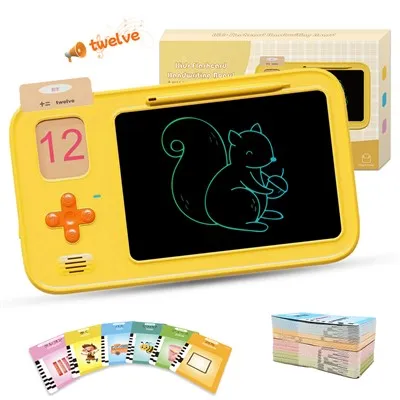
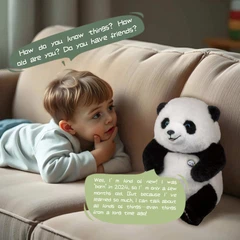
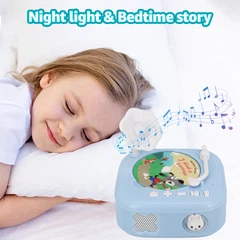
Technology has been part of the toy world for decades, but the latest wave is far more sophisticated. AI-powered interactive toys are moving from novelty to mainstream expectation. These products can respond to touch, recognize postures, tell stories, play games, and even adapt to a child's preferences over time.
Many combine app connectivity for richer experiences with standalone functionality so they remain engaging even without Wi-Fi. Features like voice interaction, customizable stories, and learning elements make them feel like smart companions rather than simple gadgets. While some parents worry about data privacy and screen time, others see value in toys that grow with their children and support development.
Manufacturers are carefully balancing high-tech capabilities with traditional play values. The most successful tech toys will likely blend digital intelligence with physical interaction rather than replacing it entirely. As artificial intelligence becomes more accessible and affordable, expect broader adoption across price points and categories.


Educational Toys That Parents Actually Want
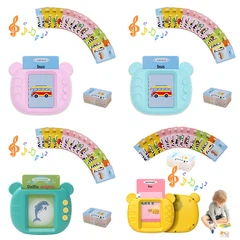
The desire for toys with genuine learning value remains strong. Many parents juggled work and homeschooling during the pandemic and discovered how challenging it can be to keep kids engaged while teaching. That experience accelerated demand for products that feel like play but deliver educational benefits.
The educational toy segment was already projected for significant growth, with STEM-focused items leading the charge. Companies like Thames & Kosmos saw sales jump dramatically during peak pandemic years, and interest in "STEM toys" has continued climbing overall. Searches spike around holidays but show steady long-term increases.
Parents aren't necessarily looking for overt "learning" toys that feel like homework. They want experiences that are genuinely fun while building skills in science, engineering, creativity, or emotional intelligence. Successful products hide the education inside engaging play. This trend aligns well with other developments-franchise toys, tech integration, and sustainable materials can all incorporate learning elements.
A Stable Foundation with Room to Evolve
The toy industry faces real pressures, from competition with digital entertainment to supply chain complexities and shifting consumer values. Yet its foundation remains remarkably solid. Parents will always seek ways to bring joy, creativity, and connection into their children's lives. Even during uncertain economic times, that drive persists.
What's changing is how that joy gets delivered. Successful brands in 2025 and beyond will combine nostalgia with innovation, responsibility with excitement, and tradition with technology. They'll offer parents choices that feel good on multiple levels-emotionally, environmentally, and educationally.
The coming years should bring more personalized options, continued sustainability improvements, deeper storytelling across media, and smarter integration of technology that respects the importance of hands-on play. For families, this means richer choices. For the industry, it means new opportunities to stay relevant in a rapidly changing world.
The toys that win will be those that understand kids haven't fundamentally changed-they still want to imagine, build, explore, and laugh. What has changed is the context around them. The brands that bridge classic play values with modern expectations are the ones poised to thrive.