

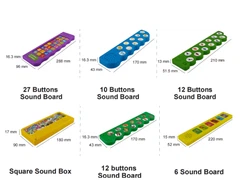
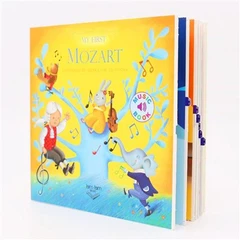
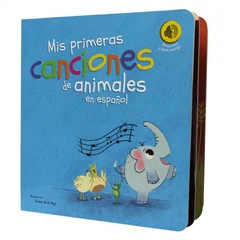
Description
Discover how smart sound books compare to traditional books in early childhood education. Learn about interactive features, learning benefits, and why modern parents are embracing audio-enhanced reading.
The Evolution of Children's Books: Smart Sound Books vs. Traditional Books
As technology transforms education, parents face a new choice: traditional picture books or interactive sound books. While both have merits, understanding their differences helps select the best tool for your child's development.

1. Engagement: Passive vs. Interactive Learning
Traditional Books
Visual-only stimulation (images + text)
Requires adult participation for full experience
Limited engagement for independent play
Smart Sound Books
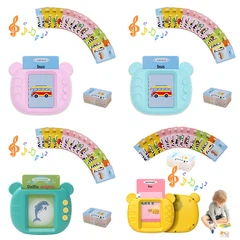
✅ Multi-sensory learning (sound + touch + visuals)
✅ Self-directed interaction (buttons, quizzes, games)
✅ Sustains attention 3x longer (2025 Child Development Study)
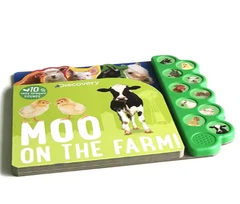
Example: Yocal-books' farm animal edition lets children hear authentic animal sounds by pressing pictures.
2. Educational Impact: Memorization vs. Comprehension
Traditional Books
Focus on storytelling and vocabulary
Dependent on reading skill level
Harder to verify comprehension
3. Convenience Factors for Modern Families
| Feature | Traditional Books | Smart Sound Books |
|---|---|---|
| Independent Use | Limited | Yes (ages 2+) |
| Language Options | Single | Bilingual/Multilingual |
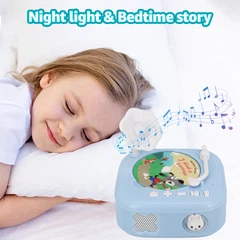
| Nighttime Use | Requires light | Glow-in-the-dark buttons |
| Travel Friendly | Lightweight | Durable, often spill-proof |
| Content Updates | None | Some allow SD card expansion |
4. Finding the Right Balance
Ideal Usage Mix:
50% Smart Sound Books for skill-building
50% Traditional Books for bonding & creativity