


Introduction: Toys as a "Barometer" of Child Psychology
To adults, toys may seem like simple playthings, but for children, they serve as important vehicles for expressing their inner world. Modern child psychology research shows that toys play multiple roles in children's psychological development-they act as emotional regulators, sources of security, tools for cognitive growth, and even training grounds for social skills. By carefully observing how children interact with toys, parents can gain deep insights into their psychological state and developmental needs, allowing for more targeted education and emotional support.
A Window to Emotional Expression: How Toys Help Children Process Feelings
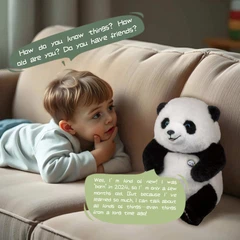
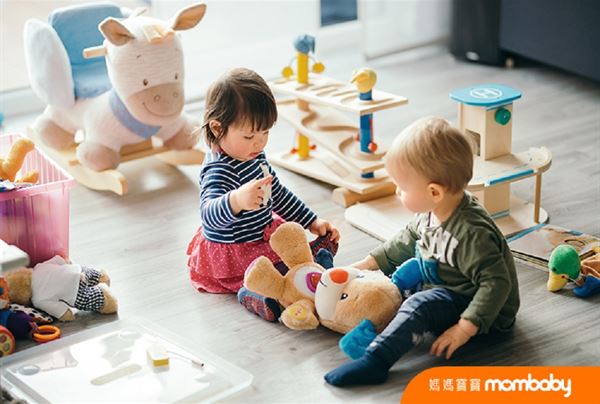
Children's emotional regulation skills are not yet fully developed, making toys a safe medium for expressing complex emotions. When a child forcefully throws a durable rubber doll, they may be releasing built-up stress or anger. When they whisper to a stuffed animal, "I was bullied by a friend today," the toy becomes a loyal listener. This type of emotional release through toys is a healthy and necessary psychological adjustment process.
Clinical psychologist Dr. Sarah Bren notes, "When children express emotions through toys, they are actually practicing important self-regulation skills. Parents should allow this expression rather than suppress it." A wise approach is for parents to use toys as intermediaries to gently guide children in expressing their feelings. For example, asking, "Your bear looks very sad. What happened to make it feel this way?" is more effective than directly demanding, "What's wrong with you?"
It's important to note that children of different ages express emotions through toys in distinct ways:
Toddlers (1-3 years) often express emotions through actions like throwing or biting
Preschoolers (3-6 years) begin to engage in role-playing as a form of emotional expression
School-age children (6+ years) can participate in more complex symbolic play

Anchors of Security: The Psychology Behind Attachment to Toys
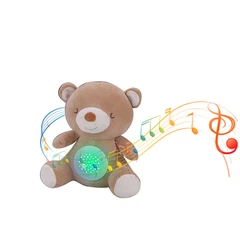
Many parents have observed this phenomenon: a child develops a strong attachment to a specific toy (like an old teddy bear), carrying it everywhere-while eating, sleeping, or even going out. This seemingly "childish" behavior actually has profound psychological significance.
Developmental psychologist Donald Winnicott's theory of "transitional objects" explains this phenomenon: these specially cherished toys serve as a bridge from complete dependence on parents to relative independence. When parents are absent, these toys provide a sense of continuity, security, and comfort, helping children cope with separation anxiety. This attachment is most common between ages 2-4 and usually diminishes naturally as children grow more independent.
Parents should adopt the following scientific approach to their child's "attachment objects":
Respect this attachment and avoid forcibly separating the child from the toy
Keep the toy clean but avoid excessive washing, which could remove the familiar scent
Proactively bring the attachment toy during travel or environmental changes to help the child adapt
Only consider gentle intervention if the attachment severely disrupts daily life (e.g., a school-age child cannot attend school without the toy)

A Mirror of Cognitive Development: How Toys Reveal Interests and Talents
The way children choose and play with toys during independent play often reveals their innate interests and potential talents. These observations are more natural and authentic than any standardized test. A child who repeatedly takes apart and reassembles toy cars may have a strong curiosity about mechanical principles; one obsessed with building blocks may possess exceptional spatial imagination; while a child who creates elaborate stories for dolls may have linguistic and narrative gifts.
Conclusion: Toys-A Key to Understanding Child Psychology
As children's closest "companions," toys open a unique window into their inner worlds. Through natural play behaviors, parents can discern emotional states, security needs, and latent talents. This observation requires no special tools-just patience, respect, and basic psychological knowledge.