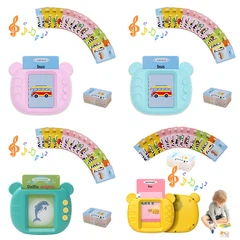
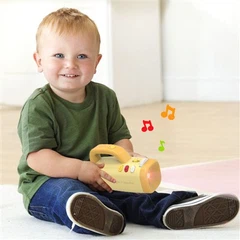
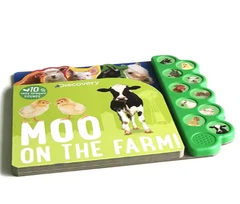
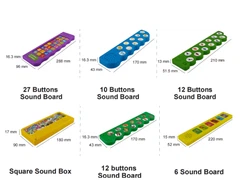
In 2026,puzzle and educational intelligence toys remain a cornerstone of the early childhood education market. These toys - including shape sorters, stacking blocks, logic puzzles, pattern games, and fine-motor challenges - focus on developing problem-solving, spatial reasoning, hand-eye coordination, and logical thinking in children aged 0–8.
Parents and educators searching for "best puzzle educational toys 2026", "trends", "early childhood puzzle toys benefits", "STEM puzzle toys for toddlers", or "educational intelligence toys market 2026" will find this industry overview essential. It covers market size, key trends, benefits, top features, and future directions in this evergreen yet rapidly evolving segment.
What Are Educational Toys

translate to "intelligence-building early education toys." They emphasize cognitive stimulation through hands-on, open-ended, or guided play. Unlike passive toys, these encourage trial-and-error, pattern recognition, and critical thinking.
Main categories in 2026:
Shape sorters & stacking rings (0–3 years)
Wooden peg puzzles & knob puzzles (1–4 years)
Jigsaw & floor puzzles (2–6 years)
Logic & strategy games (e.g., four-in-a-row variants, tangram-style)
Fine-motor boards & bead mazes
Pattern & sequencing toys (beads, blocks, cards)
Montessori-inspired open-ended sets
Many now blend traditional materials with smart elements like NFC tags or basic app integration for feedback.
Global Educational Toys & Puzzle Segment Market in 2026
The broader educational toys market continues strong momentum:
Global educational toys market: Projected ~USD 71–72 billion in 2025, growing to USD 108–126 billion by 2030–2032 (CAGR 8–12%)
Games & puzzles segment: One of the strongest performers, often generating significant revenue (e.g., ~USD 14–15 million+ in select reports for sub-segments in 2024, with 7–8%+ CAGR)
STEAM/STEM toys subset: USD 6–6.5 billion in 2025, heading toward USD 13–14 billion by 2030s (CAGR ~8–9%)
Overall toys market context: ~USD 200–450 billion range, with educational/intelligence toys capturing growing share due to parental focus on early development
Asia-Pacific (especially China & India) leads growth, driven by emphasis on preschool education and STEM readiness.

Key Benefits of Puzzle & Early Education Toys
These toys deliver measurable developmental advantages:
| Benefit | Target Skills Developed | Typical Age Group | Real-World Impact (2026 Insights) |
|---|---|---|---|
| Problem-Solving & Logic | Critical thinking, trial-error | 2–7 years | Up to 30% better sequencing & comprehension |
| Fine & Gross Motor Skills | Hand-eye coordination, dexterity | 1–5 years | Improved writing readiness & self-care |
| Spatial Reasoning | Shape recognition, mental rotation | 2–6 years | Strong foundation for math & engineering |
| Pattern Recognition | Sequencing, prediction | 3–8 years | Enhances early math & reading readiness |
| Patience & Focus | Sustained attention, frustration tolerance | All early ages | Better classroom engagement & emotional regulation |
| Creativity & Open-Ended Play | Imagination in non-directed play | 2+ years | Higher divergent thinking scores |
Studies and parent reports in 2026 highlight 20–40% engagement lift vs non-educational toys.
Essential Features to Look for in 2026 Educational toys

Prioritize these when selecting:
Safe, Durable Materials - Non-toxic wood, BPA-free plastic; rounded edges; CE/ASTM certified
Age-Appropriate Difficulty - Progressive levels (e.g., 4–60+ piece puzzles)
Open-Ended Design - Multiple play ways to extend value
Sustainability - Recycled/renewable materials; eco-packaging (rising demand)
Montessori Alignment - Self-correction, real-world concepts
Hybrid Smart Features (optional) - NFC/AR for audio hints or progress tracking
Multi-Language Support - For bilingual families
Easy Storage & Portability - Compact designs for travel/home
Who Benefits Most from These Toys?
Toddlers (1–3 years) → Sensory-motor exploration
Preschoolers (3–6 years) → Foundational logic & pre-math
Early school age (5–8 years) → Advanced strategy & spatial skills
Parents seeking screen-free alternatives
Educators in preschools/kindergartens
Children needing focused attention support (e.g., ADHD-friendly tactile play)

2026 Trends Shaping the Educational Toys Industry

Sustainability Surge - Eco-materials, biodegradable elements
Hybrid Physical-Digital - NFC/AR overlays on classic puzzles
Personalization & Adaptivity - Toys with adjustable difficulty
Emotional & Inclusive Design - Toys supporting empathy, diverse representation
STEM Integration - More math/logic puzzles tied to early coding concepts
Nostalgia + Modern Twist - Revived classics with updated safety/education
Market projected CAGR for puzzle/educational subsets remains 7–12% through 2030.
Why Invest in Educational Toys in 2026?
In an increasingly digital world, puzzle and intelligence-building early education toys offer irreplaceable tactile, screen-minimal learning. They build lifelong skills - problem-solving, resilience, creativity - through joyful, hands-on play.
For parents wanting meaningful, developmental play or retailers stocking high-demand educational lines, 2026's Educational Toys combine timeless appeal with modern safety, sustainability, and smart enhancements.
Discover the latest puzzle educational toys today and watch your child's mind grow one piece at a time.
Search terms this article targets: Educational Toys 2026, puzzle educational toys for toddlers, best intelligence toys 2026, early childhood puzzle toys, Montessori puzzle trends, STEM puzzle toys benefits, educational intelligence toys market, cognitive development toys 2026