

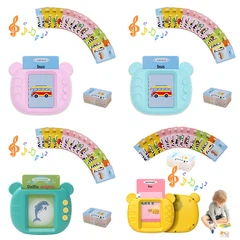
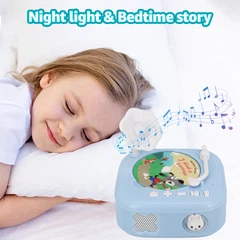






In 2026, children's AI toys have become one of the fastest-growing segments in the global toy industry. These intelligent products go far beyond traditional play - they adapt, converse, teach, and emotionally engage with kids using advanced AI models, voice interaction, and adaptive learning algorithms.
Whether parents and educators are searching for "best children's AI toys 2026", "AI educational toys for kids", "smart AI companion toys market trends", or "AI toys benefits for children", this in-depth industry knowledge article explores market size, key categories, major trends, benefits, challenges, and what to expect next in this booming sector.
What Are Children's AI Toys?

Children's AI toys are interactive play products powered by artificial intelligence, designed primarily for ages 3–12 (with some extending to teens or even all-age companionship). They integrate:
Large language models (LLM) for natural conversation and story generation
Voice recognition & synthesis (ASR + TTS) for real-time dialogue
Emotion detection via tone, speed, and keywords
Adaptive learning algorithms that personalize content
Sensors (motion, touch, camera in some models) for physical interaction
Cloud + edge computing for low-latency responses
Unlike static toys or basic sound books, AI toys act as "smart companions" - remembering preferences, adjusting difficulty, offering comfort, and teaching through play.
Global & China Children's AI Toys Market Overview
The children's AI toy sector is experiencing explosive growth:
China AI toy market: ~246 billion CNY in 2024 → expected ~290 billion CNY in 2025, with continued high double-digit growth into 2026 (some forecasts predict 400+ billion CNY by late decade)
Global AI toys / smart toys: Valued at ~USD 12–50 billion range in 2024–2025, projected CAGR 9–20%+ through 2030–2034, potentially reaching USD 60–600 billion depending on definition breadth
Educational / STEAM subset: Strong double-digit growth; STEAM toys alone forecasted ~USD 31.6 billion by 2026
Penetration: Intelligent interactive toys grew >25–40% YoY in recent years; AI features now in 30%+ of premium educational products in key markets
Driving forces include parental demand for screen-free(ish) education, emotional support post-pandemic, early STEM exposure, and rapid maturation of child-safe AI models.

Main Categories of Children's AI Toys in 2026
| Category | Typical Age | Key Examples (2025–2026 Popular) | Core Functions | Market Momentum |
|---|---|---|---|---|
| AI Companion Plush / Dolls | 3–10 | FoloToy series, BubblePal, AI魔法星, 飞飞兔, Alilo Bunny | Emotional chat, bedtime stories, mood soothing | Highest volume & virality |
| AI Storytelling Devices | 3–9 | AI故事机 variants, interactive story plush | On-demand personalized stories, parent voice clone | Bedtime routine staple |
| AI Educational Robots | 4–12 | Miko 3, Cozmo-style, programmable robot dogs | STEM, coding basics, language learning | Strong in education channels |
| AI Interactive Learning Toys | 2–8 | Smart puzzle blocks, early English bots, adaptive tablets | Phonics, math, logic via play | Fastest growing edtech crossover |
| AI益智 / Puzzle Toys | 5–12 | AI四子棋, 华容道 PRO, logic battle modes | Problem-solving, strategy vs AI opponent | Niche but high engagement |
Key Benefits of Children's AI Toys

Personalized Learning - Adapts pace & content → up to 30% better retention in vocabulary/story comprehension
Emotional Companionship - Detects & responds to feelings → reduces bedtime resistance, separation anxiety
Screen Reduction - Many are screen-free or minimal-screen → better sleep hygiene vs tablets
STEM & Future Skills - Early coding, logic, language exposure through natural interaction
Parental Insights - Apps track progress, favorite topics, usage time
All-Age Appeal - Expanding beyond kids to youth/adult emotional support toys
Must-Have Features for Safe & Effective AI Toys in 2026
Child-safe content filtering (multi-layer semantic + keyword + human review)
Low-latency responses (<4s ideal)
Strong privacy (local processing when possible, minimal data collection)
Parental controls (monitoring, time limits, veto functions)
Offline core functions + cloud enhancements
Durable, non-toxic, IP-rated designs
Multi-language & culturally diverse content
Major Challenges & Considerations
Content Safety - Reports of inappropriate responses in some models → demand for better alignment & auditing
Privacy & Data - Growing regulations around children's data
Addiction Risk - Balancing engagement vs overuse
Cost - Premium AI features often 5–10× traditional toys
Quality Variance - Explosion of brands (1,500+ in China alone) → wide performance gap
Future Trends: Where Children's AI Toys Are Heading
Multi-Modal AI - Voice + vision + touch → richer interaction
Hybrid Physical-Digital - NFC/AI combo, AR triggers
Family & Group Play - Multi-user profiles, sibling modes
Therapeutic Expansion - Tools for special needs, emotional regulation
Sustainability - Eco-materials in AI hardware
Global vs Local Models - More child-optimized, culturally tuned LLMs