
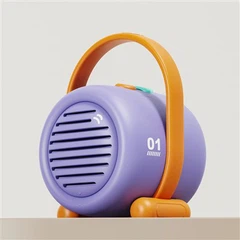






In an age where sleep quality directly impacts productivity, mental health, and overall well-being, the traditional blaring alarm clock is rapidly becoming obsolete. Enter AI alarm clocks - intelligent devices that don't just wake you up, but do so in the smartest, gentlest, and most personalized way possible.
As we move further into 2026, AI-powered alarm clocks have evolved from simple sunrise simulators into sophisticated sleep companions that analyze patterns, adapt to your biology, and create a morning routine that actually feels good. Whether you're searching for "best AI alarm clock 2026", "smart gentle wake-up alarm", or "AI sleep tracking clock", this guide covers everything you need to know.
What Is an AI Alarm Clock?

An AI alarm clock is a smart wake-up device that uses artificial intelligence, sensors, and often machine learning to optimize your morning wake-up experience. Unlike conventional alarms that ring at a fixed time regardless of your sleep state, AI versions aim to wake you at the optimal moment within a set time window.
Key technologies powering modern AI alarm clocks include:
Sleep phase detection - Using sound analysis (microphone), motion sensing, or integration with wearables to identify light vs. deep sleep
Circadian rhythm alignment - Gradual sunrise simulation + dynamic sound layering
Personalization engine - Learns your habits over time (preferred wake-up sounds, snooze patterns, ideal light intensity)
IoT & smart home integration - Syncs with lights, thermostats, coffee makers, etc.
AI voice assistant - Natural conversation-style wake-ups or personalized motivational messages
How Do AI-Powered Alarm Clocks Actually Work?
Modern AI alarm clocks employ several intelligent mechanisms to create a better morning:
Sleep Cycle Smart Wake-up Many systems set a 15–30 minute wake-up window. AI monitors movement/sound/heart rate variability and triggers the alarm during your lightest sleep phase - resulting in significantly less grogginess (sleep inertia).
Multi-sensory Gradual Wake-up
Starts with very dim warm light → slowly increases to full daylight simulation
Layers soft nature sounds → gentle music → your chosen playlist
Final stage: full brightness + clear tone (if needed)
Adaptive Learning After 7–14 days, the AI recognizes your patterns:
You wake better with birds + soft piano vs. ocean waves
You need 22 minutes of gradual light on weekdays
You tend to hit snooze 1.8 times on average → system preemptively adjusts
Evening Wind-Down Support Many 2026 models now offer complete sleep ecosystem:
Guided wind-down meditations
Blue-light blocking reminders
Room environment optimization (temperature, white noise)

Key Benefits of Using an AI Alarm Clock in 2026
| Benefit | Traditional Alarm | AI Smart Alarm Clock | Real-World Impact |
|---|---|---|---|
| Reduced Sleep Inertia | High | Very Low | Wake up feeling 30-70% more refreshed |
| Better Mood & Energy | Poor | Excellent | Lower cortisol spike, improved morning mood |
| Personalized Experience | None | High | Feels like it "knows" you |
| Sleep Quality Insights | None | Detailed tracking | Weekly/monthly reports, improvement tips |
| Snooze Addiction Reduction | Encourages | Actively reduces | Many users report 60-90% less snooze usage |
| Smart Home Morning Routine | Manual | Fully automated | Lights + coffee + news ready in sequence |
Top AI Alarm Clock Features to Look For in 2026

When choosing your next AI wake-up device, prioritize these current-generation must-have features:
Sunrise simulation with tunable color temperature (2700K–6500K)
Multi-phase wake-up (soft pre-alarm → main alarm)
Sleep tracking (even without wearable - using sound/motion)
AI voice personalization (can call your name, give weather/motivation)
No-subscription core functions (premium content optional)
Privacy-first design (local processing when possible)
Integration with Apple Health, Google Fit, Philips Hue, Spotify, etc.
Popular directions in 2026 include:
Full sleep ecosystem devices (wind-down → sleep → wake-up)
Hybrid physical + app experience
Focus on "phone-free sleep" philosophy
Who Should Consider an AI Alarm Clock?
AI alarm clocks deliver the most value for these groups:
Chronic snooze button users
People who wake up feeling exhausted despite "enough" hours
Shift workers or frequent travelers (jet lag recovery)
Biohackers & sleep optimizers
Anyone wanting to reduce phone usage in the bedroom
Couples with different wake-up times

The Future of AI Alarm Clocks: 2026–2030 Trends
Industry analysts project the smart/alarm clock segment with AI features will continue strong growth (CAGR 7–17% depending on segment) through 2030.
Coming trends include:
Predictive wake-up (AI guesses tomorrow's optimal schedule based on calendar + past patterns)
Emotional intelligence (detects stress level from voice/breathing → adjusts wake-up aggressiveness)
Multi-user family profiles
Deeper health integration (blood oxygen, respiratory rate during sleep)
Sustainable & minimalist designs
Final Thoughts: Is 2026 the Year to Upgrade to an AI Alarm Clock?
If mornings are currently a battle against your alarm, brain fog, and repeated snoozes - yes, 2026 is an excellent time to make the switch.
A good AI alarm clock doesn't just wake you up; it gently escorts you into consciousness at the moment your body is most ready. The result? More energy, better mood, and mornings that actually set a positive tone for the day.
Ready to transform how you wake up? Explore the latest generation of AI-powered alarm clocks and experience the difference between being "alarmed" awake versus naturally, intelligently awakened.