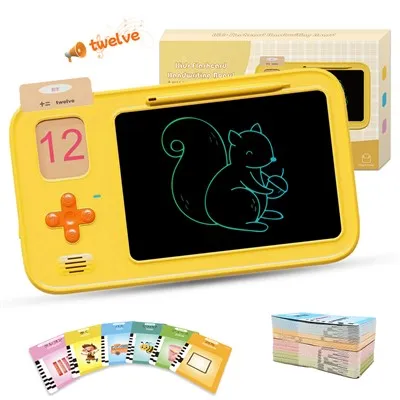
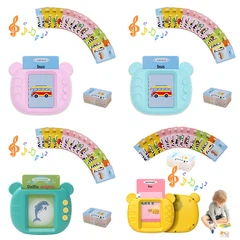



The most powerful trend reshaping the educational toy landscape is the undeniable rise of STEM and STEAM. No longer confined to classroom labs, these principles are now being brought to life through engaging, hands-on toys designed to spark a lifelong love for learning.
STEM vs. STEAM: What's the Difference?
STEM focuses on four core disciplines: Science, Technology, Engineering, and Mhematics.
STEAM integrates an A for Arts. This crucial addition emphasizes creativity, design, and visual thinking, recognizing that innovation happens at the intersection of technical skill and artistic imagination.

Why Are STEM/STEAM Toys So Popular?
The driving force is a growing emphasis on 21st-century skills. Parents and educators understand that future success will rely on abilities like:
Critical Thinking & Problem-Solving: Toys like coding robots or complex building sets present challenges that require logical reasoning to overcome.
Creativity & Innovation: STEAM toys, in particular, encourage children to design, iterate, and create unique solutions.
Adaptability: In a fast-changing technological world, learning how to learn is key. These toys foster a mindset of experimentation and resilience.
Examples of STEM/STEAM Toys in Action:
Coding Kits: From screen-free robots for preschoolers to programmable micro:bits for older kids, these toys make coding tangible and fun.
Engineering & Construction Sets: Advanced building kits that introduce concepts like gears, levers, and structural integrity.
Science Experiment Kits: Hands-on kits that allow children to grow crystals, build a volcano, or explore renewable energy.
Art-Tech Hybrids: Toys that combine drawing with robotics, or music with circuitry, perfectly embody the STEAM philosophy.

By turning abstract concepts into playful, interactive experiences, STEM/STEAM toys are not just teaching children what to think-they are teaching them how to think, preparing them for the world of tomorrow.