





Introduction: The Shift from Passive to Intelligent Play
The educational toy market is undergoing a fundamental transformation. Parents and educators are increasingly seeking tools that go beyond simple entertainment or rote learning. They demand toys that actively engage a child's cognitive abilities, adapt to their individual learning pace, and prepare them for a technology-driven future. This shift is fueling the rapid rise of Artificial Intelligence (AI) as a core component of modern, effective educational toys.
Why the Market is Demanding AI-Powered Educational Toys
The demand for AI in toys is not merely a trend; it's a response to evolving educational needs and technological possibilities. Key drivers include:

1. The Need for Personalized Learning
Every child learns differently. AI algorithms can analyze a child's interactions, identify their strengths and weaknesses, and dynamically adjust the difficulty and style of content. This creates a truly personalized learning path, ensuring the child remains both challenged and confident, moving beyond the one-size-fits-all approach of traditional toys.
2. The Rise of Interactive and Responsive Play
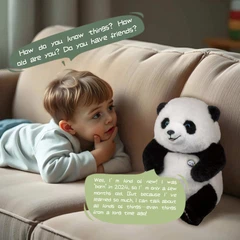
Children learn best through interaction. AI enables toys to become responsive companions. Instead of delivering pre-recorded monologues, AI-powered toys can understand a child's speech, answer their questions in real-time, and engage in meaningful, two-way conversations. This interactive dialogue fosters critical thinking, curiosity, and language skills far more effectively.
3. Parental Desire for Screen-Free Technology
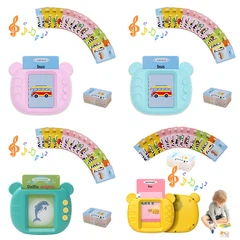
In an age of concern over screen time, AI offers a compelling solution. By integrating AI into audio-based or physical toys (e.g., those using NFC technology), children can benefit from advanced, adaptive learning without being glued to a tablet screen. This aligns with the growing preference for "screen-free" digital engagement that stimulates imagination rather than passive consumption.
4. Building Foundational Skills for the Future
AI literacy is becoming a crucial 21st-century skill. Interacting with AI toys in a playful context helps children develop a comfort and understanding of technology from an early age. They learn about cause and effect, problem-solving, and even the basics of how machines can learn and respond-all through natural play.

Key Considerations for Integrating AI into Educational Toys
For a toy to be truly educational and effective, the integration of AI must be thoughtful and purpose-driven. Important factors include:
Age-Appropriate Interaction: The AI's complexity and language must match the target age group's cognitive and emotional development.
Data Privacy and Security: Protecting children's data is paramount. Manufacturers must implement robust security measures and ensure compliance with regulations like COPPA.
Balancing Technology with Pedagogy: The AI should serve clear educational goals, not just act as a technological gimmick. The core content must be developed with input from early childhood education experts.
The OEM/ODM Perspective: Bringing Intelligent Toys to Market
For brands, developing an AI-powered toy from scratch involves significant investment in software development, data science, and hardware engineering. This is where partnering with an experienced OEM/ODM manufacturer becomes a strategic advantage.
Shenzhen Xinditai Electronics Co., Ltd. leverages its expertise in smart hardware manufacturing to help brands navigate this complexity. Our integrated approach includes:
Technology Fusion: We specialize in combining enabling technologies like NFC-which provides a simple, tactile interface for children-with powerful AI engines for voice interaction and adaptive learning.
End-to-End Solution Development: From hardware design that incorporates quality microphones and speakers to the integration of AI speech recognition and natural language processing platforms, we provide a complete, customizable solution.
Focus on Educational Value: We collaborate with our partners to ensure the AI functionality aligns with specific learning objectives, creating toys that are not only smart but also genuinely beneficial for child development.