








Plastic Toys Where Engineering Meets Imagination
From the vibrant blocks in a child's hands to the intricate gears of a model car, plastic toys represent a fusion of material science and creative design. This exploration delves into the multifaceted world of plastic toys, categorized by their chemical composition, manufacturing techniques, and developmental purposes, revealing how these synthetic marvels shape learning and play.
Material Foundations: The Chemistry of Play
The selection of plastic materials determines a toy's safety, durability, and interactive potential.
General-Purpose Plastics
Polypropylene (PP) stands as the workhorse of infant toys, with its heat resistance making it ideal for sterilizable items like teethers and tableware. Its molecular stability ensures these products withstand repeated dishwasher cycles without warping. Polyethylene (PE), prized for its flexibility at low temperatures, forms the basis of inflatable pool toys and cushioned play mats, where impact absorption is critical. While PVC's lightweight insulation properties suit bath toys, its phthalate content demands rigorous safety certifications, particularly for teething-age products. Polystyrene (PS), though brittle, finds niche applications in disposable puzzle pieces or decorative inserts where structural stress remains minimal.
Engineering-Grade Polymers
ABS resin revolutionizes construction toys with its unique triad of acrylonitrile toughness, butadiene flexibility, and styrene gloss. This terpolymer enables Lego bricks to maintain dimensional precision across millions of interlocking units while resisting playroom impacts. Polycarbonate (PC) transforms into crystal-clear components for science kits and optical toys, its bisphenol-A-free formulations now ensuring clarity without health concerns. Nylon gears in mechanical toys demonstrate exceptional wear resistance, surviving thousands of rotation cycles in robotics kits while operating silently-a testament to advanced polymer engineering.
Elastomeric Innovations
Thermoplastic elastomers (TPE) bridge rubber-like flexibility with plastic moldability, creating squeeze toys that rebound perfectly after compression. Their food-grade formulations allow safe mouthing in baby rattles. Silicone-enhanced TPVs push boundaries further, withstanding autoclave sterilization for medical play sets while maintaining colorfastness under UV exposure-critical for outdoor educational toys.
Manufacturing Alchemy: Shaping Molecules into Magic
Production techniques transform raw polymers into functional playthings.
Injection Molding Precision
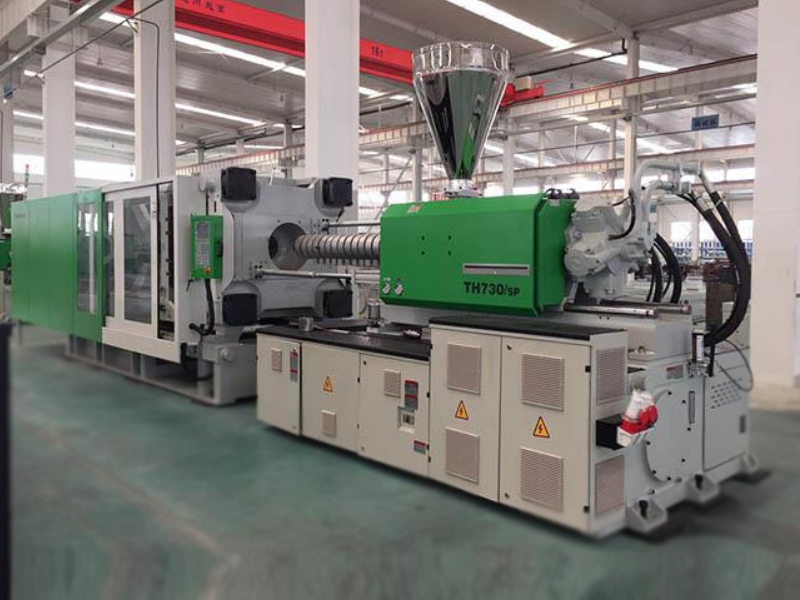
Dominating toy manufacturing, this process injects molten plastic at 200–300°C into steel molds under 1,000+ bar pressure. Microscopic tolerances create seamless action figure joints and interlocking brick studs. Cycle times under 30 seconds enable mass production of detailed miniatures, from dinosaur teeth to spacecraft paneling.
Blow Molding for Hollow Forms
Air pressure expands parisons into hollow shapes, producing unbreakable water tables for sand play or lightweight astronaut helmets for dress-up. Multilayer co-extrusion variants incorporate barrier layers in science experiment kits, preventing chemical leaks while maintaining transparency for observation.
Rotational Molding Durability
Slowly rotating ovens bake powder-coated molds to create seamless playscapes-think giant turtle sandboxes or playground tunnels. The process's low shear stress preserves material strength, crucial for weight-bearing climbers supporting 100+ kg.
Thermoforming Versatility
Vacuum-forming sheets into trays for sorting games or anatomical models allows rapid prototyping. Educational toy manufacturers leverage this for periodic table element displays or topographic map puzzles, where undercuts and fine details are paramount.

Developmental Roles Beyond Entertainment
Modern plastic toys serve as cognitive and physical development tools.
Construction Systems
ABS-based building sets like LEGO Technic introduce engineering principles through gear trains and pneumatic systems. Tolerance-controlled blocks (±0.002mm) teach spatial reasoning, while color-coded connectors demonstrate mechanical advantage in hands-on physics lessons.
Modeling Reality
Injection-molded scale models of spacecraft or ecosystems serve as 3D textbooks. PVC dioramas with removable organs or PC-encased insect specimens make biology tangible. PA-reinforced architectural models withstand classroom handling while demonstrating structural engineering concepts.
Imaginative Play Platforms
Rotomolded play kitchens with PP surfaces mimic real appliances, complete with TPE "food" that squishes realistically. Role-playing medical kits with PC syringes and TPV stethoscopes reduces healthcare anxiety through familiarization.
Cognitive Challenges
High-precision PS puzzles with 0.1mm edge tolerances develop pattern recognition, while PC-based strategy games with interlocking tiles promote executive functioning. PE balance beams and TPE resistance bands in motor skill kits incorporate physical therapy principles into play.
Interactive STEM Tools
Conductive plastics enable circuit-building toys where components snap together magnetically. PC-encased microcontrollers withstand classroom drops while teaching coding logic. TPV-insulated wires in electronics kits prevent short circuits during young engineers' first soldering attempts.
Safety and Sustainability: The New Frontier
Modern manufacturing addresses historical concerns through material innovation. Phthalate-free plasticizers in PVC ensure safer bath ducks, while BPA alternatives in PC maintain optical clarity without endocrine disruption risks. Biodegradable PLA derived from corn starch emerges in eco-building blocks, degrading within 180 days in industrial composters. Closed-loop recycling systems repurpose HDPE milk jugs into playground equipment, completing the sustainability cycle.
Conclusio:n The Plastic Playground of Tomorrow
As polymer science advances, tomorrow's plastic toys will likely integrate shape-memory alloys for transforming robots or self-healing polymers for indestructible outdoor gear. What remains constant is plastic's unique ability to balance safety, durability, and creative potential-transforming hydrocarbon chains into tools for learning, growth, and boundless imagination. From the chemistry lab to the playroom, plastic toys continue to shape how we understand and interact with the material world.