






Introduction
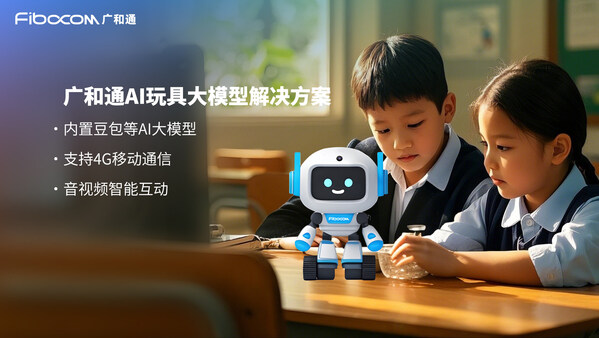
With the rapid advancement of artificial intelligence (AI) technology, the toy industry is undergoing an unprecedented smart revolution. From simple voice interactions to emotional companionship and educational assistance, AI toys are redefining the way children play and learn. This article explores the latest trends, popular products, and market potential of AI toys in 2025, helping brands, investors, and parents seize opportunities in this emerging sector.
1. Market Status and Growth Potential of AI Toys
According to Statista, the global smart toy market is projected to exceed $30 billion by 2025, with an annual growth rate of over 15%. Key drivers of this growth include:
AI model integration: Technologies like ChatGPT and Baidu's ERNIE enhance toys with natural conversational abilities.
Parental demand for educational value: STEM (Science, Technology, Engineering, Math) toys are surging in popularity, making AI toys a new learning tool.
Emotional companionship needs: With more single-child and dual-income families, AI toys provide interactive companionship to reduce loneliness.

2. Three Major AI Toy Trends in 2025
(1) Educational AI Toys: From Play to Learning
Coding robots: LEGO Mindstorms and Ubtech's Alpha Mini teach logic through visual programming.
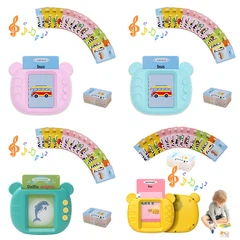
AI learning assistants: Toys with large language models (e.g., "AI Magic Star") can tutor homework and explain concepts.
Science experiment kits: AR-enhanced toys make physics and chemistry fun.
(2) Emotionally Interactive AI Toys: A Smarter "Companion"
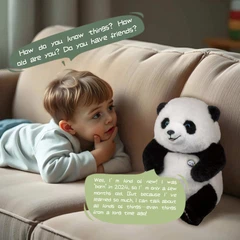
Long-term memory: Toys remember children's preferences for personalized interactions (e.g., "chatty teddy bears").
Emotion recognition: Cameras and voice analysis allow AI toys to respond to a child's mood.
Licensed smart toys: Disney AI characters and Pokémon smart toys deepen emotional connections.
(3) AI + Chinese Cultural Trends: Innovation in Local Brands
Shifeng Culture & Baidu AI Cloud: "AI Magic Star" supports deep Chinese-language interactions.
iFlytek's "Alpha Egg": Combines AI with traditional Chinese learning (poetry, storytelling).

4. Challenges Facing AI Toys
Despite growth, the industry must address:
Data privacy & security: Compliance with GDPR (EU) and COPPA (US) is critical.
High costs: Premium AI toys remain expensive for mass adoption.
Parental skepticism: Some worry AI toys hinder social skills-education on benefits is needed.
5. The Future: How AI Toys Will Transform the Industry
More natural interactions: Multimodal AI (voice + vision + touch) for lifelike play.
Metaverse integration: Virtual pets and AR battles expand possibilities.
Personalized experiences: AI tailors play based on a child's behavior and needs.
Conclusion
AI toys are evolving from "smart" to "intelligent," becoming companions rather than just playthings. As technology improves and demand grows, 2025 will be a breakout year. Brands that prioritize education, emotional value, and safety will lead this revolution.
Which AI toy trend excites you most? Share your thoughts in the comments!