

Introduction
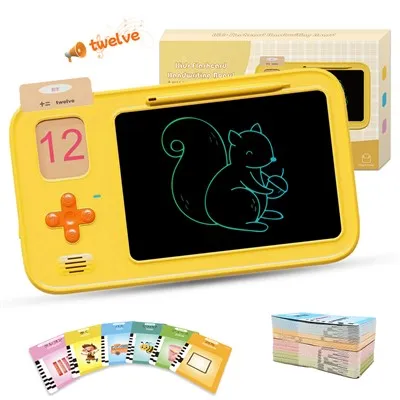
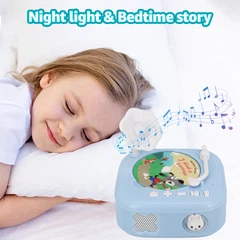
The toy industry is undergoing unprecedented transformation, with technology, education, and sustainability reshaping entertainment for children (and even adults). Over the next 10 years, which toy categories will have the highest growth potential? This article combines market data, consumer behavior, and technological trends to explore the most promising directions for investment and innovation.
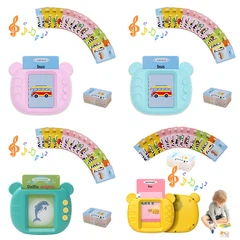
STEM/STEAM Educational Toys
Key Driver: The global emphasis on science, technology, engineering, arts, and mathematics (STEAM) in education systems, along with growing parental demand for "learning through play."

Trend Analysis:
Programming and robotics toys (e.g., LEGO SPIKE, Wonder Workshop Dash) will remain popular, helping children develop logical thinking and computational skills.
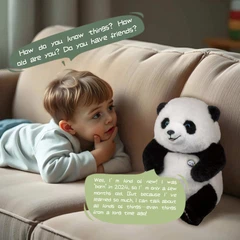
AI interactive toys (e.g., smart dolls powered by ChatGPT) may emerge as a new trend, offering personalized learning experiences.
Cross-disciplinary integration: Examples include biology-themed DNA experiment kits and astronomy-focused AR planet exploration toys.
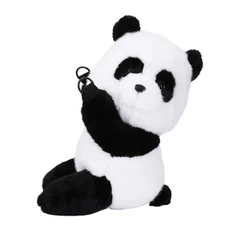
Our company has also followed the development of the AI era and developed AI pandas,It achieved a good sales volume as soon as it was launched in China

Market Data:
According to Grand View Research, the global STEM toy market is projected to exceed $40 billion by 2030, with a compound annual growth rate (CAGR) of 12.5%
.
Sustainable and Eco-Friendly Toys
Key Driver: The environmental consciousness of Gen Z and millennial parents, coupled with global "carbon neutrality" policies.
Trend Analysis:
Bio-based material toys: Examples include LEGO's sugarcane-based polyethylene and PlanToys' use of rubberwood waste.
Secondhand toy economy: Brands are launching toy recycling programs (e.g., Mattel's "PlayBack").
Zero-waste or biodegradable packaging: Reducing plastic pollution and aligning with ESG (Environmental, Social, and Governance) investment trends.
Consumer Insight:
A 2023 NPD report shows that 67% of parents in Europe and the U.S. are willing to pay a premium for eco-friendly toys.
AR/VR and Metaverse Toys
Key Driver: The maturation of metaverse (Metaverse) and mixed reality (MR) technologies, blurring the lines between virtual and physical toys.
Trend Analysis:
AR interactive toys (e.g., Pokémon GO-themed toys, Disney AR magic books).
Virtual toy collections: NFT digital toys (e.g., kid-friendly versions of NBA Top Shot).
Holographic projection toys: Potential future innovations like 3D holographic building blocks or virtual pets.

Personalized and Direct-to-Consumer (DTC) Toys
Key Driver: Consumer demand for customized experiences, along with the rise of e-commerce and 3D printing technologies.
Trend Analysis:
3D-printed toys: Allowing children to design their own toy components.
AI-generated toys: Inputting children's preferences to create personalized toys (e.g., AI-designed plush toys).
DTC brand growth: Bypassing traditional retail by marketing directly through social media (TikTok, Instagram).

Conclusion: Who Will Win in the Future Toy Industry?
Over the next decade, successful toy companies must focus on:
Educational value (STEM + emotional development);
Sustainability (materials, supply chains, business models);
Technological integration (AR/AI/metaverse);
The adult market (collectibles, stress relief, nostalgia).
Final Recommendations:
Entrepreneurs: Explore niche markets (e.g., toys for children with special needs).
Investors: Bet on STEM, eco-friendly materials, and metaverse toy sectors.
Professionals: Develop cross-disciplinary skills (e.g., toy design + programming knowledge).
Toys are no longer just "toys"-they are a fusion of educational tools, tech products, and emotional mediums. Those who innovate within these trends will dominate the future market.