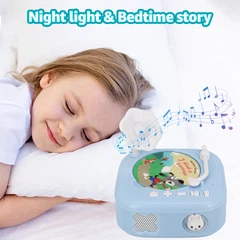
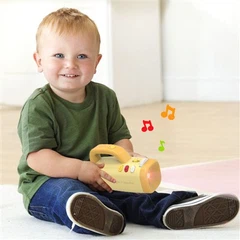
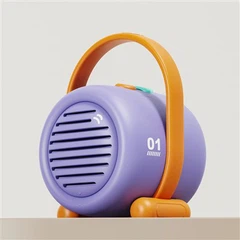
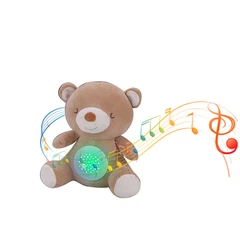
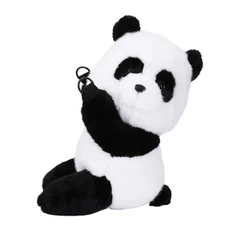
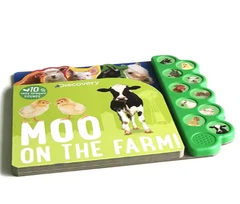
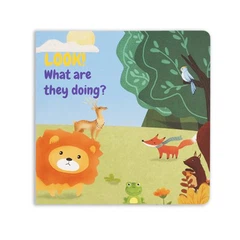
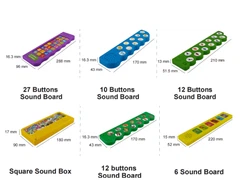
Buzzer buttons we made in the 2000s
From Staples' "That Was Easy" to Smart IoT Interfaces: A Chronicle of Innovation

The "That was easy button" is the ancestor of all buzzer button
Prologue: The Genesis of Sound Buttons
Sound buzzer buttons-compact, interactive devices that deliver audio feedback-have evolved from novelty gadgets into versatile tools shaping office culture, pet training, education, and entertainment. Their journey mirrors humanity's growing demand for instant feedback, playful interaction, and personalized expression.
Key milestones:
1990s: Early prototypes in promotional toys and educational tools.
2000s: Commercial breakthrough with Staples' iconic button.
2010s: Diversification into pet tech, social media memes, and DIY customization.
2020s: Integration of smart features (USB, LEDs, IoT).2000s: The Staples "That Was Easy" Revolution
2005: Staples redefined workplace culture with its red "That Was Easy" button.
Cultural & Commercial Impact
Origin: Designed as a TV ad prop to promote "easy shopping," it became a viral sensation.
Productization: Launched as a $5 desk toy due to overwhelming customer requests.
Legacy:Sold over 10 million units globally by 2010.Inspired countless knockoffs (e.g., "Applause," "Bazinga!" buttons).Cemented sound buttons as office staples and stress-relief tools.
Technical Limitations:
Single pre-recorded sound (no customization).
No LED or connectivity features.
Powered by AAA batteries with limited lifespan.

Buzzer buttons we made in 2000s

Buzzer buttons we made in 2000s
2010s
: Diversification & Democratization
Advancements in flash storage, low-power MCUs, and LED tech drove innovation:
1. Custom Recording & Pet Tech
User-Generated Audio: Buttons like RecordableSound allowed 30-second voice memos.
Pet Training Breakthrough:FluentPet (2018): Hexagonal buttons enabling dogs to "speak" needs (e.g., "outside," "play").Case Study: A border collie named Bunny gained fame for using 50+ buttons to communicate.

In 2017-2024, we producd more thna 1,000,000pcs button for FLUENT PET LLC
2. Functional Expansion
Timers & Clocks:M5 Talking Timer (2016): Voice reminders for cooking/meetings.PillPal (2019): Medication reminders for elderly users.
LED Integration:Lumibutton (2017): RGB LEDs synced to sound effects for mood lighting.

Buzzer button also used as clock, press to tell you the time and date for blind people
3. Meme Culture & Social Virality
The Nut Button: A 2019 viral hit with a comedic "NUT!" sound, embraced by Twitch streamers.
Cheers Button: Triggered party atmospheres with clinking-glass audio.

100,000pcs NUT button produced by us
2020s: Smart Features & Vertical Applications
Core Innovations
USB-C & Hybrid Connectivity Architectures The decade witnessed a connectivity revolution through standardized interfaces and wireless protocols:

Some customers design cables to connect with the buttons.

Button with AUX cable

Type-C free download buzzer coming
Future Outlook: 2025–2030
AI-Powered Context Awareness Buttons that adapt responses based on user behavior (e.g., XDT's ContextSense SDK).
IoT Ecosystem IntegrationVoice button triggers for smart homes (e.g., "Press to dim lights").
Biometric FeedbackStress-relief buttons measuring heart rate (patent pending, CalmTech Inc.).
Conclusion: The Sound of Progress
From Staples' humble red button to XDT's IoT-enabled modules, sound buttons have transcended novelty to become micro-interfaces for human-machine collaboration. Their evolution reflects three universal truths:
Simplicity drives adoption.
Customization fuels engagement.
Technology amplifies empathy.
As AI and IoT reshape interaction design, the next chapter will see sound buttons evolve into ambient intelligence nodes-quietly revolutionary, persistently human-centric

Pack of buttons

Buttons with different logo and color

Productiom time of buzzers

Tags: #SoundButton #ProductEvolution #IoT #PetTech #EdTech #UXDesign #XDTInnovation #SmartDevices