Meta Description
Discover how children's sound books boost early language development, improve vocabulary, and enhance listening skills. Explore top recommendations for interactive learning!
Introduction
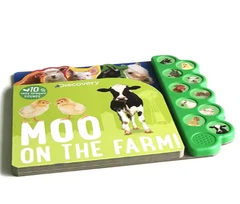
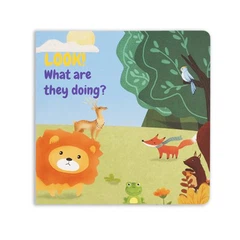
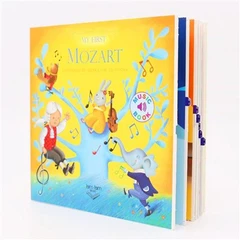
Sound books have become a powerful educational tool for young children, combining visual, auditory, and tactile stimulation to support language development. These interactive books engage kids with buttons, music, and spoken words, making learning fun and effective.
In this article, we'll explore:
✅ How sound books enhance language skills in toddlers and preschoolers
✅ Key developmental benefits of interactive sound books
✅ Top-rated sound books for different age groups

How Sound Books Support Language Development
1. Auditory Learning & Phonemic Awareness
Sound books expose children to clear pronunciation, rhymes, and phonetic sounds, helping them recognize speech patterns.
Repetition of words and sounds strengthens memory and comprehension.
2. Vocabulary Expansion
Interactive buttons introduce new words (animals, objects, actions) in an engaging way.
Associating sounds with images reinforces word-object recognition.
3. Listening & Comprehension Skills
Following along with narrated stories improves attention span and listening skills.
Questions and prompts in sound books encourage verbal responses (e.g., "What does the cow say?").
4. Early Reading Readiness
Highlighted text and sound synchronization help kids connect spoken and written words.
Simple sentence structures prepare children for independent reading.

Best Sound Books for Language Development
| Age Group | Recommended Sound Books | Key Features |
|---|---|---|
| 6 months - 2 years | Fisher-Price Laugh & Learn | Animal sounds, first words, bright visuals |
| 2-3 years | LeapFrog Learning Friends 100 Words Book | Bilingual options, touch-sensitive pages |
| 3-5 years | VTech Touch and Learn Activity Desk | Letters, numbers, interactive stories |
| 5+ years | Osmo Little Genius Starter Kit | Combines physical play with digital learning |
Tips for Maximizing Language Learning with Sound Books
🔹 Engage in Conversation – Ask questions about the sounds and words.
🔹 Repeat & Reinforce – Encourage kids to mimic sounds and phrases.
🔹 Combine with Traditional Reading – Alternate between sound books and classic storybooks.
🔹 Choose Age-Appropriate Content – Match complexity to the child's developmental stage.
Conclusion: Why Sound Books Are a Must-Have
Sound books are more than just fun-they're a proven tool for early language development. By combining audio, visuals, and interactivity, they help children build vocabulary, listening skills, and pre-reading abilities in an engaging way.
Looking for the best sound books? Check out our top recommendations above and give your child a head start in language learning!