
Overview and Potential Analysis of the Muslim Toy Market
1.1 Market Size and Growth Drivers
The global Muslim population has exceeded 1.9 billion and is projected to reach 2.2 billion by 2030, accounting for 26.4% of the world's total population. This vast demographic has given rise to a rapidly growing consumer market, with the toy industry maintaining an annual growth rate of 8-12%. Notably, Muslim families have a higher average number of children than the global average, ensuring sustained demand for toys.
Key regions in the Muslim toy market include:
Middle East (GCC countries): High purchasing power
Southeast Asia (Indonesia, Malaysia): Large population base and rapid growth
Muslim communities in Europe and North America: Demand for culturally integrated products
1.2 Consumer Characteristics and Purchasing Behavior
Muslim families exhibit distinct religious and cultural traits in toy consumption:
Festival-driven sales: Over 40% of annual toy sales occur during Ramadan and Eid al-Adha.
Education-oriented: 75% of Muslim parents prioritize educational value in toys.
Community influence: Recommendations from religious leaders and mom influencers significantly impact purchasing decisions.
Market research shows that Sharia-compliant toys can command a price premium of 20-30%, with higher repurchase rates compared to conventional toys.

2. Product Development Directions for the Muslim Toy Market
2.1 Core Product Categories
(1) Religious Educational Toys
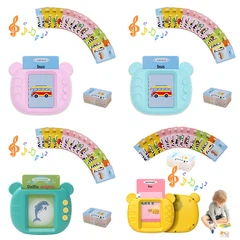
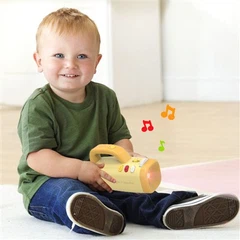
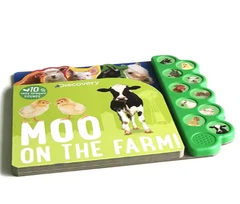
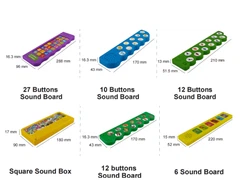
Quran learning kits: Interactive digital Qurans, Arabic alphabet pad, sound book
Islamic historical figurines: Featureless designs compliant with religious guidelines
Prayer teaching toys: Mini prayer rug sets, Qibla direction indicators
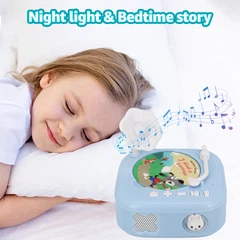
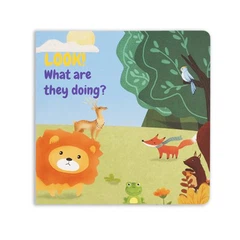
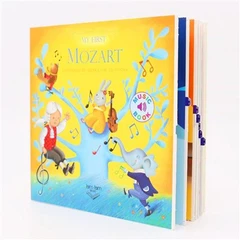
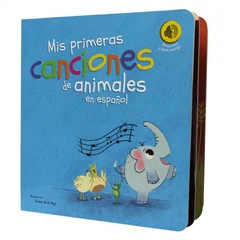
Our company has also helped many Muslin customers design some sound books and Quran cushions, which have sold well in their local markets

(2) STEM & Educational Toys
Halal-certified science experiment kits
Islamic architecture building blocks (e.g., mosque models)
Arabic-language programming robots
(3) Culturally Adapted Toys
Modified mainstream IPs: Dolls with hijabs
Islamic holiday-themed toys: Ramadan countdown calendars, Eid al-Adha role-play sets
3) Culturally Adapted Toys
Modified mainstream IPs: Dolls with hijabs
Islamic holiday-themed toys: Ramadan countdown calendars, Eid al-Adha role-play sets
Product Design Standards
To ensure compliance with Islamic principles, special attention must be paid to:
Halal material certification: Avoid alcohol-based ingredients and certain animal-derived materials.
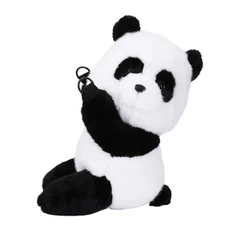
Visual representation: Some sects prohibit facial features, requiring alternative designs.
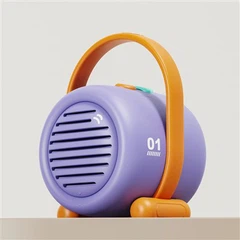
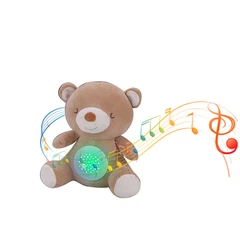
Audio content: Adhan (call to prayer) and Quran recitations must use professionally recorded versions.
Color usage: Thoughtful application of traditional Islamic colors like green.

Conclusion
The Muslim toy market represents an untapped blue ocean, projected to exceed $20 billion within five years. Success requires:
Deep cultural understanding
Precise product positioning
Innovative marketing strategies
Companies should:
Invest in specialized Islamic R&D teams
Develop multi-tiered market entry systems
Build long-term brand trust
With the expanding Muslim middle class and growing emphasis on education, Sharia-compliant, high-quality toys will enjoy increasing demand. Early movers in this niche market will gain significant first-mover advantages.