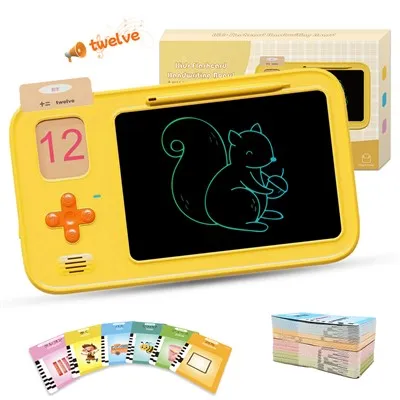
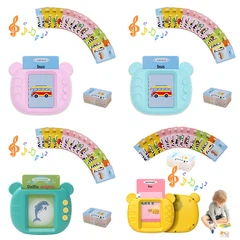
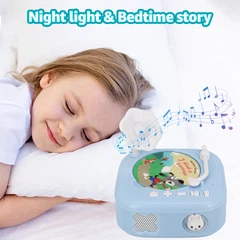
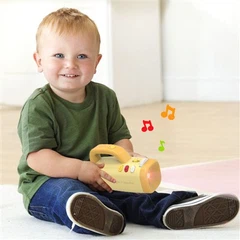
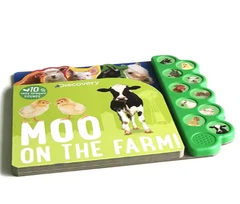
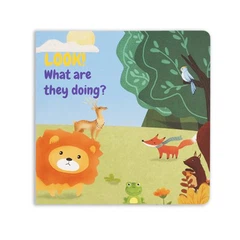
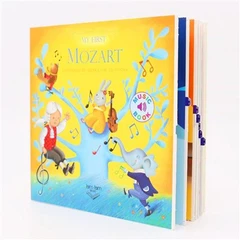
Toys have long been a staple of childhood, filling playrooms, classrooms, and homes around the world. While their colorful designs and playful shapes may seem simple, toys are far more than mere entertainment. They are essential tools for fostering early learning and development, shaping the way children understand themselves and their environment.

Why Toys Matter
From the moment a child grasps a rattle or stacks a set of blocks, they are engaging in activities that will shape their cognitive, social, and emotional growth. Toys provide opportunities for children to explore, experiment, and discover. They encourage curiosity, problem-solving, and creativity-skills that form the foundation for lifelong learning.
Building Cognitive Skills
Educational toys such as puzzles, building sets, and shape sorters challenge children to think critically and solve problems. These activities help develop memory, attention span, and spatial awareness. Simple games like matching cards or counting beads introduce basic concepts of math and logic, preparing children for future academic success.
Supporting Social and Emotional Growth
Toys also play a vital role in teaching children how to interact with others. Dolls, action figures, and role-play sets allow children to practice empathy, cooperation, and communication. Through imaginative play, children learn to express their emotions, negotiate with peers, and understand different perspectives.
Encouraging Physical Development
Active play is essential for developing fine and gross motor skills. Toys like balls, tricycles, and building blocks help children refine their hand-eye coordination, balance, and dexterity. These physical skills are not only important for sports and recreation but are also critical for daily activities like writing, dressing, and self-care.
Fostering Creativity and Imagination
Creative toys such as art supplies, musical instruments, and construction kits inspire children to invent, design, and explore new ideas. Imaginative play encourages children to think outside the box, experiment with solutions, and develop confidence in their abilities.
Choosing the Right Toys
Not all toys are created equal. Parents and educators should look for toys that are safe, age-appropriate, and open-ended-allowing children to use them in multiple ways. The best toys are those that grow with the child, adapting to their changing interests and abilities.
Conclusion
Toys are more than just fun-they are powerful tools for early learning and development. By providing children with a variety of engaging, educational toys, we can help nurture their minds, bodies, and spirits, setting them on the path to a lifetime of growth and discovery.
If you need this article to be tailored for a specific audience or with a different tone, just let me know!