






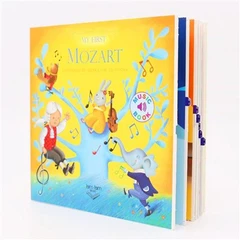

In today's rapidly evolving classrooms 🏫, teaching aids have transformed from static chalkboards and textbooks into dynamic, multi-sensory tools that ignite curiosity and revolutionize learning. These resources bridge abstract concepts and tangible understanding, creating immersive educational experiences essential for 21st-century learners.
🔍 What Defines Modern Teaching Aids
Teaching aids encompass a vast ecosystem of physical and digital tools:
- Physical Manipulatives: 3D models, science kits, and tactile puzzles that turn theories into hands-on experiments
- Digital Immersion: Interactive whiteboards, VR simulations, and AI-driven apps that create responsive learning environments
- Hybrid Innovations: Robotics kits and coding platforms merging physical construction with digital programming
Unlike passive textbooks, these tools adapt to lessons in real-time, allowing educators to demonstrate complex ideas like molecular structures or historical events through interactive storytelling.
⚡ How Teaching Aids Supercharge Learning
🌈 Multi-Sensory Engagement
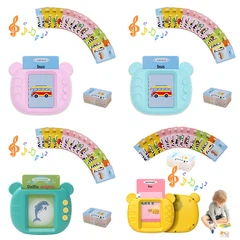
Visual learners thrive with infographics and animated diagrams, while kinesthetic explorers master physics through building renewable energy models. Auditory learners absorb languages via interactive audio stories, proving that one-size-fits-all instruction is obsolete.
🧩 Conceptual Mastery
Abstract concepts become concrete:
- Fraction puzzles visually demystify math operations
- Augmented reality apps overlay geological layers onto classroom floors
- Robotics kits teach engineering principles through trial-and-error prototyping
Research shows retention rates surge 60% when lessons combine visual, tactile, and auditory stimuli.
💡 Critical Skill Cultivation
Beyond subject mastery, teaching aids nurture future-ready abilities:
- Collaborative robot projects → Teamwork and problem-solving
- Coding sandboxes → Computational thinking
- Debate simulation software → Persuasive communication
📱 The Technology Revolution
Digital aids have redefined accessibility:
- Personalized Learning Paths: AI tutors adjust difficulty based on student performance
- Global Classrooms: Live coral reef webcams connect biology students to marine biologists
- Instant Feedback Loops: Quiz apps highlight knowledge gaps before exams
Platforms like Labster's virtual labs let students conduct DNA sequencing without physical equipment, democratizing advanced science education.
🌍 XINDITAI's Vision for Inclusive Learning
At XINDITAI, we engineer teaching aids as equity engines. Our resources include:
- Sensory-Friendly Kits: Tailored for neurodiverse learners
- Low-Tech Solutions: Solar-powered science kits for off-grid communities
- Teacher Empowerment: Professional development integrating aids into curricula
By partnering with educators, we ensure every aid, from tactile alphabet tiles to AI poetry coaches, addresses diverse learning needs while reducing educator workload.

🔮 The Future Classroom
Emerging trends will further transform aids:
- Metaverse Field Trips: Historical reenactments in VR
- Biofeedback Tools: Stress-monitoring headbands, adapting lesson pacing
- Ethical AI Coaches: Promoting digital citizenship alongside algebra
These innovations won't replace teachers but amplify their impact, freeing educators to mentor rather than lecture.
Teaching aids are no longer supplemental-they're foundational to modern pedagogy. By transforming passive consumption into active co-creation, they equip learners not just with knowledge but with the creativity and critical thinking to shape tomorrow's world. As education pioneer Maria Montessori observed: "The hands are the instruments of human intelligence"-a truth magnificently embodied in today's teaching aids.