



A Practical Guide for Procurement Managers
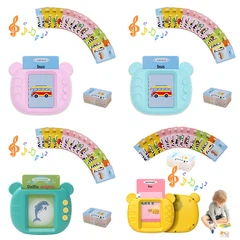
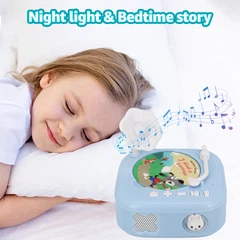
Talking Flash Cards have become a fast-growing category in early education toys. For procurement managers, the key is not just product design, but supply reliability, compliance, and scalability.

This guide explains what really matters when sourcing Talking Flash Cards from China, based on industry experience from Kidsoundbook (XDT), a manufacturer located in Shenzhen.
Lead Time – What Is Realistic?
Lead time depends on order type:
Standard products (no customization): 7–15 days
OEM orders (logo, packaging): 15–30 days
ODM projects (new design, new content): 30days
Audio content and language customization are usually the most time-consuming parts. Procurement teams should confirm:
Voice language and accent
Number of cards and vocabulary
Packaging structure
Clear specs at the beginning can reduce delays.
Factory Qualification – What to Check

A reliable supplier should have basic manufacturing and export qualifications.
For Talking Flash Cards, key points include:
Experience in educational toys or sound books
In-house or stable electronics assembly capability
Familiarity with RFID or sound module integration
Export experience to US, EU, Japan
Kidsoundbook (XDT) focuses on:
Talking sound books
Talking flash cards
RFID/NFC interactive toys
This specialization helps reduce development risk.
Production Capacity – Can the Factory Scale?
Capacity is critical for large orders and repeat business.
Typical capacity indicators:
Monthly output: 50,000 – 200,000 units
Assembly lines for electronics + packaging
Stable supply chain for chips, speakers, cards
Before confirming an order, buyers should ask:
Peak season capacity
Backup plans for component shortages
Quality control process per batch
Factories with experience in export markets usually have more stable production planning.

MOQ (Minimum Order Quantity)
MOQ varies depending on customization level:
Standard model: 500–1,000 units
OEM (logo + packaging): 1,000–3,000 units
ODM (custom content, mold changes): 3,000+ units
Lower MOQ is possible for trial orders, but unit price will be higher.
Procurement managers should balance:
Cost per unit
Inventory risk
Market testing needs
Technology – What Makes a Good Talking Flash Card

Not all products are the same. Key technical differences include:
1. Audio Quality
Clear pronunciation
Stable volume output
No distortion
2. Recognition Method
Chip-based or button-triggered
RFID/NFC recognition for higher-end models
3. Content Flexibility
Multi-language support
Custom vocabulary sets
Replaceable or expandable card systems
4. Power System
Rechargeable battery (Type-C preferred)
Long standby time
XDT focuses on stable audio modules and customizable content, which are important for long-term product competitiveness.
Certifications – Required for Export
For international markets, certification is mandatory.
Common requirements:
Europe
CE,EN71 (toy safety),RoHS
United States
ASTM F963,CPSIA
Other markets
FCC (electronics),REACH (chemical compliance),A qualified supplier should provide:,Test reports,Material safety documentation,Support for certification updates