

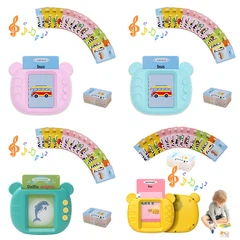
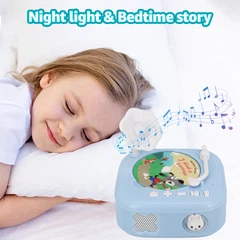
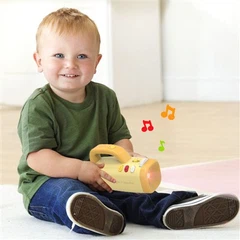


A talking flash card machine is a compact device that reads picture or word cards and speaks the content aloud. It helps children learn vocabulary, sounds, and simple facts. This guide explains how the device works, key components, selection criteria, and classroom or home use cases. The goal is to support purchasing decisions for schools, education retailers, and parents who need reliable learning tools for ages 3–12. The tone is clear and practical for young readers and decision makers.
What Is a Talking Flash Card Machine?
A talking flash card machine pairs printed cards with a reader unit. When a child inserts a card, taps it, or scans it, the unit plays audio. The audio can be words, phonics sounds, short sentences, or animal calls. Example cards include:
Animals: flamingo, alpaca, snail
Nature: moon
Fruits: watermelon, mango
Everyday objects: table This mix supports cross‑category learning. Children link images to sounds and meanings, building memory through repetition.

Core Components
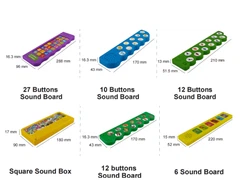
Reader unit: a small speaker, buttons, and a card sensor. It plays clear audio at safe volume levels.
Cards: sturdy cards with images and coded markers. The markers help the reader match each card to the correct sound.
Power: rechargeable battery or replaceable batteries. USB‑C charging is common.
Storage: internal memory holds audio files. Some models allow updates with new packs.
Controls: volume, repeat, next, and language switch where available.
Learning Benefits
Multisensory input: children see images and hear sounds at the same time. This improves retention.
Phonics support: machines can pronounce letters, blends, and words in a steady rhythm.
Early STEM habits: sorting cards by themes trains classification skills.
Independent practice: the device gives immediate feedback without adult help.
Inclusive access: learners with language delays benefit from slow, clear speech.
Motivation: children enjoy quick wins and collect points or stickers set by adults. 😊
Content Themes and Examples
Animals: flamingo, alpaca, and other wildlife help kids learn habitats and traits.
Nature: moon phases and sky objects spark science talk.
Fruits: watermelon and mango build food vocabulary and healthy eating habits.
Objects: a table and similar items teach daily words for home and school.
Mixed sets: combining themes keeps attention and supports flexible thinking.
How It Works in Simple Steps
Power on the reader.
Insert or tap a card.
The sensor reads the code and plays the matching audio.
Press repeat to hear it again.
Change volume or switch mode as needed.
Rotate cards to review and test memory.
Selection Checklist for Buyers
Audio clarity: speech should be slow, accurate, and free of hiss.
Card durability: thick, rounded corners, spill‑resistant coating.
Battery life: at least a full school day under normal use.
Expandable content: extra card packs for animals, nature, fruits, and objects.
Safe materials: non‑toxic inks and plastics with relevant test reports.
Portability: light weight for backpacks and small hands.
Simple UI: large buttons and clear icons for young users.
Maintenance: easy cleaning and replaceable parts where possible.
Warranty and support: clear service terms for schools and retailers.
Classroom and Home Use
Circle time: pick 10 cards (flamingo, alpaca, moon, watermelon, table, and more). Let each child tap a card and repeat the word.
Themed stations: animals on one table, fruits on another. Students rotate every five minutes.
Phonics practice: play words and ask children to clap syllables.
Speech therapy: repeat words three times, record progress in a log.
Bilingual exposure: if the device supports multiple languages, mirror the English word with a second language for context.
Family routines: five minutes after dinner, review a small set of cards. Keep sessions short and frequent. 👍

Safety and Quality
Volume limit: safe max level to protect hearing.
Secure batteries: child‑safe compartment or sealed design.
Rounded edges: prevent scratches or cuts.
Stable firmware: consistent playback without glitches.
Compliance: meet relevant toy and electronics standards in target markets.
Content Design Tips for Publishers
Use high‑contrast images with plain backgrounds.
Keep word lists age‑appropriate and theme‑balanced.
Record audio with a clear, calm voice at a steady pace.
Provide simple sentences in advanced packs to extend learning.
Include review icons, such as stars or check marks, to guide progress.
Sustainability Considerations
Durable cards reduce waste from frequent replacement.
Rechargeable batteries lower long‑term costs.
Packaging with minimal plastic and clear recycling marks supports eco goals.
Why Choose XDT as Your OEM/ODM Partner
Education focus: XDT designs content for ages 3–12 with clear audio and stable hardware.
Customization: themes like flamingo, alpaca, moon, watermelon, and more can be adapted to your brand.
Quality control: strict testing for audio clarity, battery safety, and card durability.
Scale and service: flexible MOQ, rapid sampling, and timely delivery for global clients.
Support: documentation, training guides, and after‑sales service for schools and distributors.
Contact
Company: XDT
Email: happy@xinditai.com
WhatsApp: +8613824343309
Website: www.kidsoundbook.com
LinkedIn: https://www.linkedin.com/in/happy-gao-education-toy-oem-odm/
YouTube: https://www.youtube.com/@XDTHappy
Conclusion
A talking flash card machine is a practical tool for building early vocabulary and listening skills. With clear audio, sturdy cards, and thoughtful themes, children learn in short, focused sessions. Buyers should check clarity, safety, and expandability. With strong design and support, the device can fit homes, classrooms, and clinics. XDT provides reliable OEM/ODM solutions that meet modern standards and help learners grow with confidence.