
What Are Story Phonograph Toys?
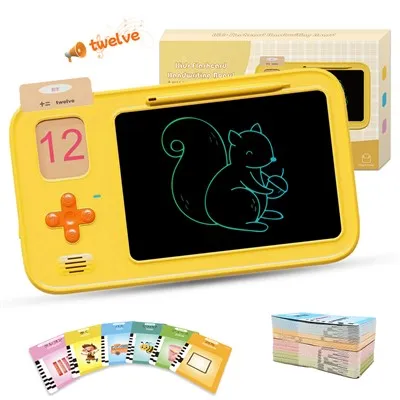
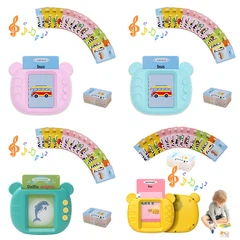
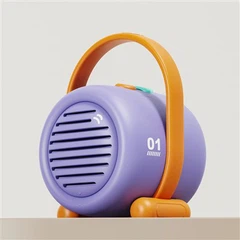
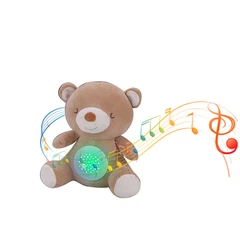
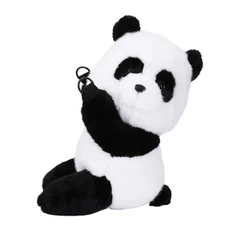
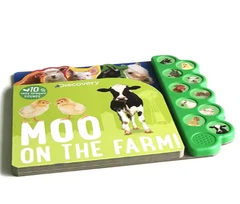
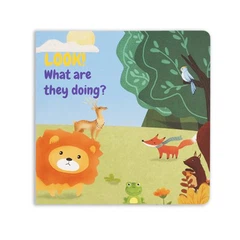
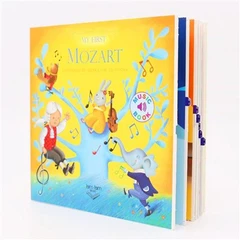
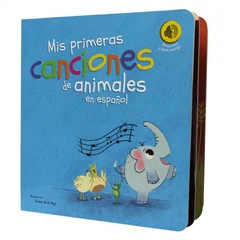
Story phonograph toys are interactive early education devices that combine audio playback technology, child-friendly industrial design, and content-based learning systems. Unlike traditional sound books, these products integrate RFID/NFC recognition, embedded audio modules, and low-power microcontrollers to deliver structured storytelling experiences.
They are widely used in:
Early childhood education (0–6 years)
Language learning (phonics, bilingual content)
Parent-child interaction scenarios

Core Technical Architecture
From a product engineering perspective, a modern story phonograph toy consists of the following modules:

2.1 Hardware Components
MCU (Microcontroller Unit): Controls audio decoding and interaction logic
Audio Codec IC: Supports MP3/WAV playback with low distortion
Speaker System: Typically 4Ω 3W or customized acoustic cavity design
RFID/NFC Module: Enables trigger-based storytelling (cards, books, figures)
Power Management: Rechargeable lithium battery with overcharge/over-discharge protection
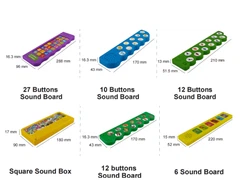
Buttons / Touch Sensors: Child-safe interaction interface
2.2 Software & Firmware
Embedded firmware for:
Audio indexing and playback control
Power optimization (sleep/wake cycles)
Multi-language switching
Optional features:
Bluetooth connectivity
OTA content updates
Mobile app integration
2.3 Acoustic Engineering
Enclosed cavity design to enhance sound clarity
Volume limiting (<85 dB) compliant with child safety standards
Anti-distortion tuning for storytelling voice frequencies

R&D and Design Capabilities (For Brand Customization)
For brand owners, supplier R&D capability is critical. A qualified manufacturer should provide:

3.1 Industrial Design (ID)
Child-safe rounded structures
Market-specific styling (e.g., Korean minimalism, European soft aesthetics)
CMF (Color, Material, Finish) customization
3.2 Structural Engineering (ME)
Injection mold feasibility (DFM analysis)
Drop-test compliance (typically 1.0–1.5m)
Internal layout optimization for durability
3.3 Electronic Engineering (EE)
PCB design and circuit integration
EMI/EMC optimization
Low-power consumption architecture
3.4 Content Integration
Audio content formatting and compression
RFID/NFC encoding solutions
Multi-language content adaptation

OEM vs ODM: Strategic Differences

OEM (Original Equipment Manufacturing)
Brand provides design and content
Manufacturer handles production
Suitable for brands with existing product IP
ODM (Original Design Manufacturing)
Manufacturer provides:
Product concept
Hardware + firmware solution
Tooling and validation
Brand focuses on branding and marketing
Recommendation:
For fast market entry, ODM reduces development cycle by 30–50%.
MOQ Strategy and Production Planning
MOQ (Minimum Order Quantity) varies depending on customization level:
| Product Type | Typical MOQ |
|---|---|
| Standard model (OEM) | 1,000–2,000 units |
| Semi-custom (ID changes) | 2,000–3,000 units |
| Full ODM (new tooling) | 3,000–5,000 units |
Key Factors Affecting MOQ:
New mold development cost
PCB customization
Packaging complexity
Certification requirements
Lead Time Reference:
EVT/DVT/PVT: 30–45 days
Mass production: 25–40 days
Certifications and Compliance
For global distribution, story phonograph toys must meet strict safety standards:
6.1 Europe
CE (EN71, EN62115, EMC, RoHS)
6.2 United States
CPSIA
ASTM F963
6.3 Additional
FCC (wireless products)
REACH (chemical compliance)
Battery certifications (UN38.3, MSDS)
A qualified manufacturer should provide:
Full test reports
Pre-compliance testing support
Certification coordination

Story phonograph toys represent a convergence of hardware engineering, educational content, and interactive design. For brand owners, success depends on selecting a manufacturer that offers:
Strong R&D and customization capability
Flexible MOQ and scalable production
Proven certification and compliance experience
End-to-end OEM/ODM support
This ensures faster time-to-market, controlled costs, and sustainable product differentiation in the competitive early education toy market.