🌟 The Magic of Play Where Learning and Fun Collide
Every giggle, every curious touch, and every stack of blocks represents a milestone in your toddler's world. At age 2, children's brains are wired for discovery-absorbing language, refining motor skills, and building emotional intelligence at lightning speed. Educational toys bridge imagination and development, transforming playtime into a vibrant classroom without walls. Here's how to choose tools that spark joy while nurturing growth.

🧠 Understanding the Two-Year-Old Mind
Two-year-olds thrive on sensory-rich exploration. Their world unfolds through touch, sound, and movement:
- Cognitive leaps: They grasp cause-and-effect ("If I push this, it lights up!") and solve simple puzzles 🧩.
- Motor milestones, such as scribbling, stacking, and fitting shapes, build hand-eye coordination crucial for future writing ✍️.
- Language explosion: Vocabulary balloons from 50 to 300 words-fueled by playful interactions 🗣️.
Toys must match this dynamic: safe for curious hands, rich for hungry minds.
🔍 The 4 Pillars of Brain-Boosting Toys
1️⃣ Sensory Symphony 🎶
Toys that engage multiple senses accelerate neural connections:
- Textured balls with bumps and ridges for tactile discovery.
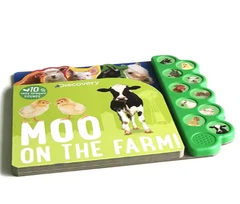
- Sound puzzles where animal noises reward correct matches 🐄.
- Color-mixing lamps that blend light when touched 🌈.
2️⃣ Fine Motor Architects 🏗️
Activities demanding precision strengthen finger muscles:
- Chunky pegboards for grasp-and-place challenges.
- Nesting cups that teach size relativity through trial/error.
- Lacing toys where threading beads builds focus 🧵.
3️⃣ Language Catalysts 📖
Play that sparks conversation nurtures expression:
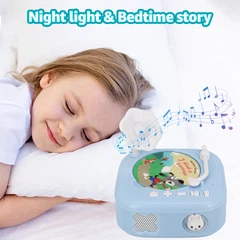
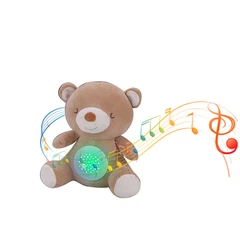
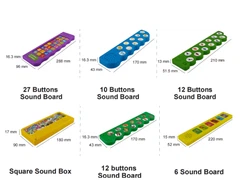
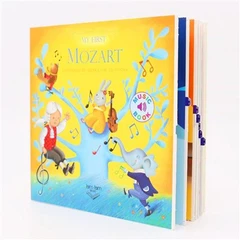
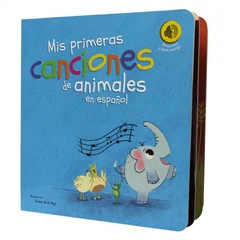
- Interactive storybooks with buttons for sound effects 📘.
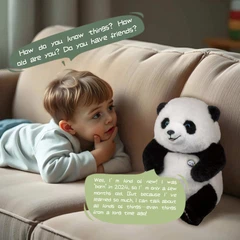
- Plush "talk buddies" prompting kids to mimic phrases ("Hello Dino!").
- Alphabet blocks that turn tower-building into letter hunts 🔤.
4️⃣ Creativity Igniters 🎭
Open-ended toys unleash narrative thinking:
- Dollhouses for role-playing family scenarios 👨👩👧.
- Play-dough kits for sculpting imaginary worlds 🦖.
- Costume bins where capes turn toddlers into superheroes 🦸.
⚖️ The Art of Balancing Education and Entertainment
Great toys hide learning in laughter:
- Building blocks become physics labs when towers crash-teaching gravity through giggles 😂.
- Water tables transform splashy fun into lessons about volume ("Which cup fills faster?") 💧.
- Musical instruments make rhythm math: slow/fast, loud/soft 🥁.
Tip: Rotate toys weekly to sustain novelty and deepen skill practice.
📱 Technology's Role: Companion, Not Crutch
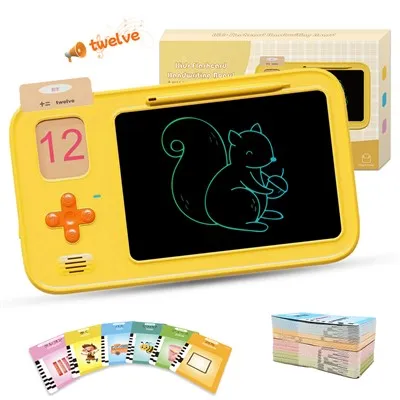
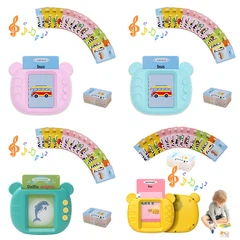
Digital tools complement-never replace-tactile play:
- Interactive apps that turn screen time into collaborative quests ("Find the red triangle!") 🔺.
- Robotic pets responding to touch with lights/sounds, teaching empathy 🤖.
Critical rule: Cap screens at 15-min/day; prioritize toys requiring physical manipulation.
💡 Curating Your Child's Developmental Toolkit
Select toys that grow with your child:
- Adaptable puzzles with 3- to 10-piece options.
- Convertible play kitchens adding complexity as skills advance 🍳.
- Multilingual toys switching languages for future readiness 🌍.
Safety first: Avoid small parts (choking hazards) and prioritize non-toxic materials.
❤️ The Lasting Impact
When education and entertainment dance together, play becomes profound. A block tower isn't just stacked-it's a triumph of spatial reasoning. A plush dinosaur isn't just cuddled-it's a confidante for emerging emotions. By choosing toys aligned with your child's explosive development, you gift more than fun: you build neural pathways, confidence, and a lifelong love of learning 🌱.