



In today's digital environment, children are exposed to screens earlier and more frequently than ever before. Tablets, smartphones, and televisions have become common parts of daily life, leading many parents to search for healthier alternatives that support early childhood development without excessive screen exposure.
As a result, screen-free educational toys are rapidly becoming one of the most important trends in the global children's toy market. Products that combine interactive learning, audio engagement, creativity, and hands-on play are increasingly preferred by parents, educators, and early learning institutions.
What Are Screen-Free Educational Toys?

Screen-free educational toys are learning products designed to help children develop cognitive, language, motor, and creative skills without relying on digital screens.
These products encourage:
Active participation
Imagination development
Parent-child interaction
Hands-on learning
Independent thinking
Unlike passive screen entertainment, interactive educational toys help children stay physically and mentally engaged during learning activities.
Growing Demand for Interactive Learning Toys
Parents today are paying more attention to the quality of children's play experiences. Educational toys that combine learning with entertainment are becoming highly popular across international markets.
Some of the fastest-growing categories include:
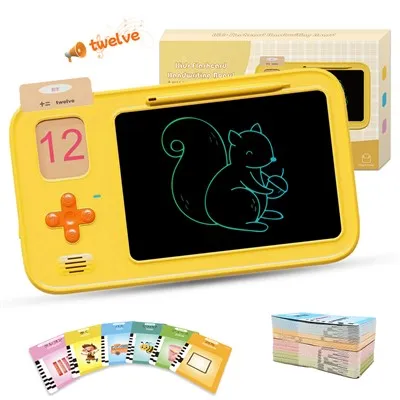
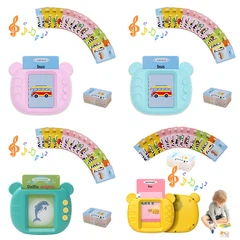
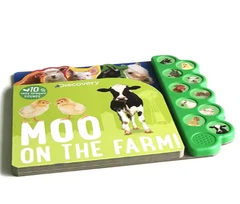
Talking flash cards
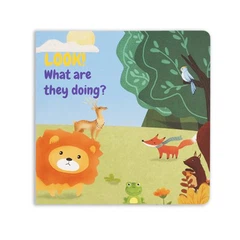
Story projector toys
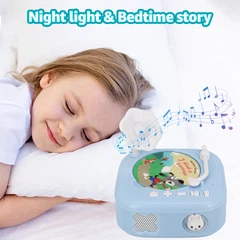
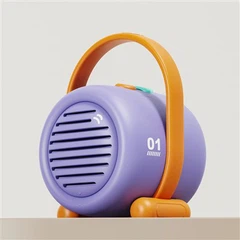
Audio story machines
Drawing tablets for kids
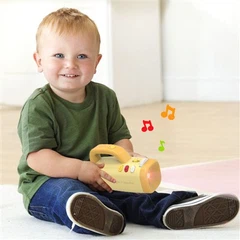
Musical educational toys
Montessori learning devices
These products provide educational value while helping reduce unnecessary screen dependence.

Interactive educational toys support multiple aspects of early childhood development.
Improved Language Development
Audio learning products such as talking flash cards and story machines help children:
Improve pronunciation
Expand vocabulary
Develop listening skills
Strengthen communication ability
Children learn naturally through repeated listening and interaction.
Better Creativity and Imagination
Products like drawing tablets and story projectors encourage children to:
Create stories
Draw independently
Imagine scenes and characters
Develop creative thinking
Creative play helps children build confidence and problem-solving abilities.

Stronger Parent-Child Interaction
Screen-free educational toys often encourage collaborative play between parents and children.
Activities such as:
Storytelling
Drawing together
Vocabulary learning
Interactive bedtime routines
help strengthen emotional connection and communication within families.
OEM & ODM Opportunities in Educational Toys

As demand for innovative educational toys grows, more brands and retailers are seeking customized OEM and ODM solutions.
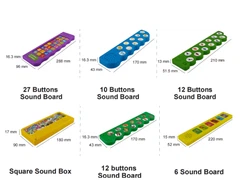
Customization options often include:
Product Appearance
Color customization
Logo printing
Packaging design
Structural development
Educational Content
Multi-language audio
Customized stories
Vocabulary categories
Educational themes
Retail Packaging
Gift boxes
Instruction manuals
Barcode labeling
Customized educational toys help brands create differentiated products for competitive markets.
The Future of Early Childhood Educational Toys
The educational toy industry continues moving toward products that combine:
Interactive learning
Creative development
Audio engagement
Sensory stimulation
Screen-free experiences
Parents increasingly recognize the importance of balancing technology with active learning and imagination-based play.
As a result, screen-free educational toys are expected to remain one of the fastest-growing product categories in the global preschool and early childhood education market.
Manufacturers that combine innovative product development, educational value, safety standards, and flexible customization capabilities will continue leading the future of children's educational electronics.