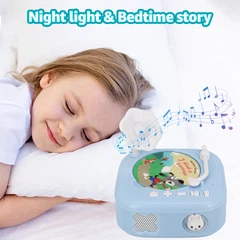
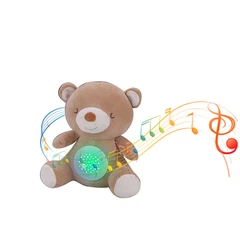
Multimodal AI Plush Toys Empathy Interaction and Ecosystem Growth
The Three Evolution Stages of AI Companion Plush Toys
AI plush toys have become a common choice for families worldwide, but most people do not realize the category has gone through three clear generations of development. Each generation solves the core shortcomings of the one before it, and redefines what a "smart companion" can do for children. From simple speakers to feeling-aware partners, and from fixed products to growing systems, the evolution has changed both user experience and long-term value.

🔊 The table below compares the three generations across five key dimensions, showing how far the category has come in just a few years.
| Dimension | First Generation Voice-Only AI Toy | Second Generation Multimodal Interactive Plush Toy | Third Generation Kids Smart Companion Ecosystem |
|---|---|---|---|
| Core Interaction Mode | Single voice dialogue only | Voice + LED expression + touch response | Full connected system with cloud + app + hardware |
| Emotional Response Capacity | Recognizes words only, no tone awareness | Mirrors child's mood through voice and visuals | Adapts to long-term emotional habits and growth |
| Content Update Model | Fixed at factory, no updates | Limited local presets | Monthly cloud OTA updates with new content |
| Average Active Usage Lifespan | 2 to 3 months | 6 to 9 months | 18 months or longer |
| Core User Value | Short-term novelty entertainment | Daily emotional comfort | Long-term growing companion experience |
This evolution is not just about adding more technology. It is about moving from a product that entertains to a system that supports children as they grow.

First Generation The Limits of Voice Only Smart Playthings
The first generation of AI plush toys arrived around 2022, and they brought smart features into traditional stuffed animals for the first time. These products put a basic speaker and voice recognition chip inside a plush shell. They could answer simple questions, tell pre-recorded stories, and follow basic voice commands. For many families, this felt like a magical upgrade from regular teddy bears.
But the limits became clear very quickly. Industry content tests show that after four weeks of regular use, the dialogue repetition rate of first-generation toys reaches 72%. Children quickly notice that the toy uses the same lines over and over. Worse, these toys cannot recognize the tone of a child's voice. If a child speaks quietly about feeling lonely, the toy may still reply with a loud, cheerful game suggestion. This mismatch makes the toy feel like a recording device, not a friend.
For most families, first-generation toys end up as regular stuffed animals after the smart features stop feeling new. The technology is there, but it does not build any real bond with the child.

Second Generation How Multimodal Design Delivers Real Emotional Support
The second generation fixed this problem by adding visual and tactile layers to create a true emotional support plush toy. Instead of relying only on words, these toys use multiple senses to connect with children. This is where the multimodal interactive plush toy category truly began.
🤍 The biggest breakthrough is mood mirroring. Built-in voice tone detection lets the toy sense how the child feels. If the child is excited and talking fast, the toy responds with a bright, energetic voice and wide, happy LED eyes. If the child is quiet and upset, the toy slows its speech, softens its voice, and dims its eyes to a gentle glow. This mirroring effect makes children feel seen and understood, much like talking to a real friend.
As a screen-free AI companion, this generation also avoids the privacy and eye-strain issues of screen-based devices. Children can hug, carry, and sleep with the toy just like a traditional plush. Gyroscope and touch sensors add another layer of natural interaction: petting the head triggers soft, content sounds, and tilting the toy brings playful reactions.
In daily use, this design works especially well as a bedtime soothing plush. Instead of just playing a story, the toy creates a full calming routine: slow speech, soft eye glow, and gentle response to touches. Child development studies show this multi-sensory calm helps children settle down 42% faster than simple audio story players.

Third Generation Ecosystem Model Redefines Long Term Value
The third and latest generation moves beyond a single toy to create a full kids smart companion ecosystem that grows over time. For families, the biggest change is that the purchase is no longer the end of the experience - it is just the beginning. This generation pairs a physical plush toy with a mobile app and cloud-based AI, creating an upgradeable AI plush toy that gets better with use.
🌱 Cloud-based AI means the toy's abilities are not locked at the factory. Every month, new stories, conversation topics, and interactive features are pushed through over-the-air updates. As children grow older and their interests change, the toy can adapt with them. A toy that works for a six-year-old can grow to fit a nine-year-old, instead of being outgrown and put away.
The companion app acts as a growth record hub, not just a remote control. Parents can set age-appropriate content limits, check usage patterns, and see what topics their child enjoys talking about most. Over time, the toy learns the child's favorite subjects, daily routines, and way of speaking. The more they interact, the more personal and tailored the experience becomes.
When looked at through total cost of ownership, this model delivers much better value. Even though the upfront price is about 30% higher than first-generation toys, the 18-month lifespan brings the cost per month down by 61%. Families pay once, and get value for years instead of weeks.

What the Next Stage of AI Plush Toys Looks Like
The three generations show where AI plush toys started, and where they are going next. The first generation proved that children enjoy talking to soft toys. The second generation proved that emotional connection matters more than smart answers. The third generation proves that long-term value comes from connected ecosystems, not single products.
Looking ahead, the most successful products will not just add more features. They will balance all three strengths: natural multimodal interaction, genuine emotional support, and a growing ecosystem. They will feel like soft, kind friends that grow up alongside children, not just gadgets with fur.
This shift matters because children do not need more technology in their lives. They need more reliable, gentle companions that listen, understand, and stay with them through the small, important moments of growing up.
Contact Us
Email: xdt04@dtdianzi.com
WhatsApp: +86 136 0263 5993