Meta Description
What drives the luxury toy market in Middle Eastern markets like Saudi Arabia and UAE? This analysis reveals premium toy trends, cultural taboos, top-selling categories, and market entry strategies for brands targeting high-margin opportunities.
Market Overview: High Spending Power + Gifting Culture
Per capita toy spending: UAE children average $500+ annually on toys (among global leaders).
Luxury segment share: Premium toys ($200+) account for 30% of GCC toy sales (NPD data).
Seasonal spikes: Ramadan, Eid, and National Days (e.g., Saudi 9/23) drive 50%+ annual sales.
Consumer Behavior:
✅ Gift-centric: Luxury toys are often purchased as prestige gifts (packaging > functionality).
✅ "Conspicuous consumption": Social media "show-off culture" fuels demand for limited editions/branded toys.
✅ Family decision-making: Parents/grandparents prioritize "educational value" and safety.

2. Top Premium Toy Categories
① Luxury Brand Collaborations
Examples:
Dolce & Gabbana × LEGO (Middle East-exclusive sets, priced at $1,200+).
Mercedes-Benz kids' electric cars (Dubai Mall bestsellers; gold-plated custom versions reach $8,000).
Critical Notes:
Highlight limited numbering and certificates of authenticity.
Use gold/black packaging with Arabic descriptions.

② High-Tech Interactive Toys
Trending Products:
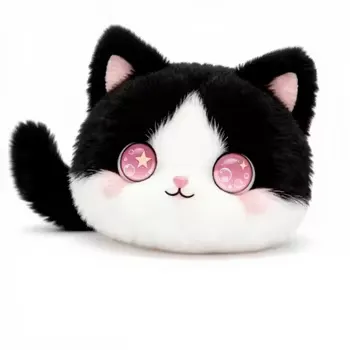
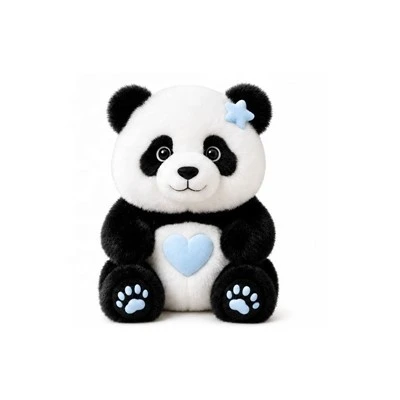
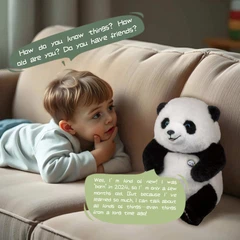
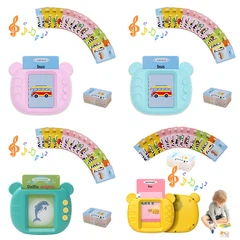
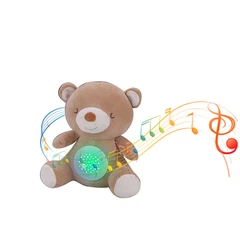
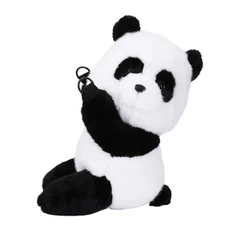
AI robots/ AI plush toy (e.g., Saudi-approved educational bots with Arabic support).
AR virtual pets (e.g., holographic unicorns aligning with Islamic aesthetics).
Compliance Alert:
Avoid human/animal facial features (taboo for conservative families).

③ Educational Luxury Toys
Top Sellers:
Gold-plated Montessori kits (purchased by Dubai elite preschools).
STEM sets (e.g., diamond-encrusted coding robots marketed as "future leader training").
④ Customization & Personalization
Demand Drivers:
Name engraving (Arabic script), family crest embossing.
Case Study: Dubai's "Toys & Us" offers 24K gold-leaf customization.
Cultural Taboos & Compliance Red Line
🚫 Absolute No-Gos:
Religious Conflicts:
Pig/cross imagery (e.g., "Peppa Pig" must be rebranded as "Peppa").
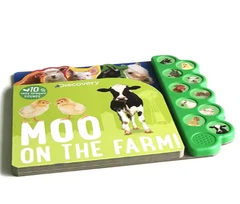
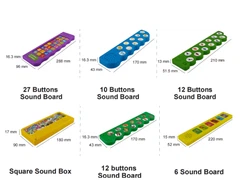
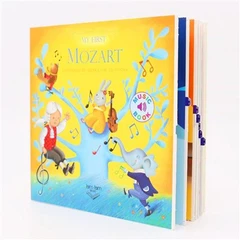
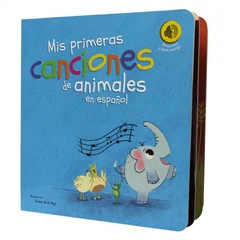
Musical toys (banned by Wahhabi families).
Gender Norms:
Avoid overt "boys/girls" categorization (e.g., repackage pink princess toys neutrally).
✅ Winning Adaptations:
Localized Designs:
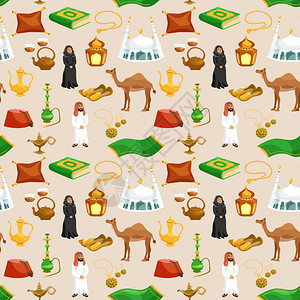
Desert/camel/palm tree motifs (e.g., LEGO's "Ancient Middle East" sets).
Bilingual manuals (English + Arabic).
Data Privacy:
Smart toys require Saudi SASO certification (data must be stored locally).
4. Distribution & Marketing Strategies
① Offline-First Approach:
Key Channels:
High-end mall boutiques (Dubai Mall, Abu Dhabi's Yas Mall).
Free zone exhibitions (e.g., Jebel Ali, with tax advantages).
Visual Merchandising:
Use crystal display cases + LED lighting to emphasize luxury.
② Social Media Hype:
KOL Partnerships:
Target parenting influencers (e.g., Saudi's @MamaArabic).
Content focus: Unboxings, luxury nursery tours.
Ad Platforms:
Snapchat (outperforms Instagram in GCC reach).
③ Local Partnerships:
Distribution:
Work with royal-connected agents (e.g., Saudi's Alghanim Group).
Trade Shows:
Dubai Toy Fair (November), Saudi Children's Forum.

5. 3-Step Market Entry Plan
1️⃣ Product Adaptation:
Add gold/emerald green colorways; remove religiously sensitive elements.
2️⃣ Certification Prep:
Obtain Saudi SASO + UAE ECAS (4-6 months lead time).
3️⃣ Market Testing:
Pilot via Amazon.sa (FBA warehouse in Riyadh).
Conclusion
The Middle East luxury toy market values "status symbolism" over play functionality. Leverage gifting culture, localized designs, and luxury collabs to succeed-even at premium prices!