



The Explosive Growth of AI in Children's Play
The toy industry has always evolved with technology, but the shift happening now feels different. Traditional toys sit on shelves collecting dust once the novelty wears off. AI-powered ones adapt. They remember your child's favorite color, favorite story, or how they felt after a tough day at preschool. This personalization drives repeat engagement that parents and kids both love.
Market researchers have taken notice. China's domestic AI toy sector alone hit significant numbers in recent years, with projections for continued double-digit growth. Globally, the smart toys category-including voice-enabled plush and interactive learning devices-is forecast to expand rapidly through the early 2030s. Falling prices for key components like efficient microchips, combined with better access to large language models, make these products more affordable for families.
Parents are driving much of this demand. Many are actively seeking alternatives to passive screen consumption. They want tools that encourage active participation, imagination, and real-world skills while still feeling magical. Smart plush toys fit perfectly here. A soft, huggable bear or dinosaur that talks back creates emotional bonds that cold tablets simply cannot replicate.
How Modern Smart Toys Actually Work
At their core, today's AI toys blend several technologies that seemed futuristic just a few years ago. Tiny sensors pick up voice, movement, and sometimes even emotional tone. On-device processing handles quick responses without needing constant internet. When more complex conversations are needed, they tap into cloud-based AI for deeper, more natural dialogue.
The hardware side often relies on capable but energy-efficient chips that support voice recognition and basic AI tasks locally. This means a toy can wake up when a child says a special phrase and respond instantly, even offline for core functions. Cloud connections add layers like personalized story recommendations or updates to content libraries.
Many devices use a hybrid approach-local for speed and privacy, cloud for intelligence. Wake-word detection works right in the toy. More advanced natural language processing pulls from systems similar to popular voice assistants but tuned specifically for children's speech patterns and safety. Long-term memory features let the toy recall past interactions, making each child feel truly seen.
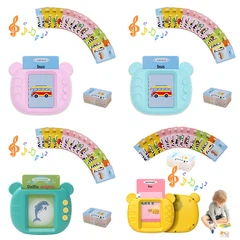
For storytellers and plush companions, additional tech like NFC or RFID cards adds another dimension. Kids tap a physical card to unlock new adventures. This keeps hands busy and minds engaged while the audio plays through the device. It's tactile play combined with rich storytelling.


Different Types of AI Toys Finding Their Place
Not every AI toy tries to do everything. The market has split into categories that serve specific needs and age groups.
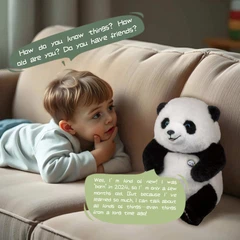
Smart Plush Companions sit at the heart of the trend. These are the classic teddy bears or favorite animals upgraded with voice modules. They chat, tell jokes, play word games, and offer comfort during tough moments. The softness provides security while the AI delivers engagement.
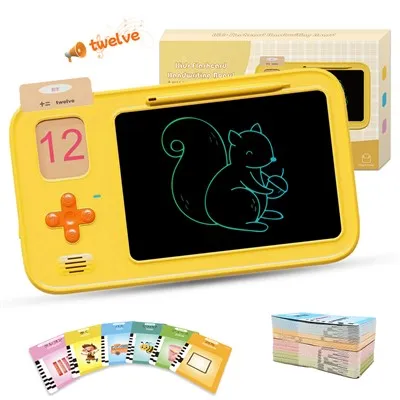
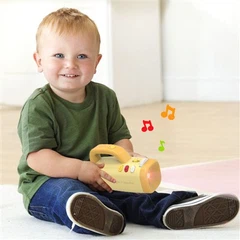
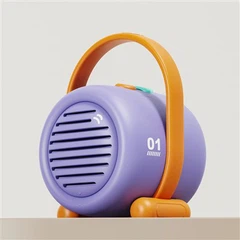
Interactive Storytellers and Audio Players focus on narrative experiences. Many are screen-free by design. Children use cards or figurines to select stories, songs, or lessons. This format builds listening skills, imagination, and even fine motor abilities as little hands manipulate the pieces.
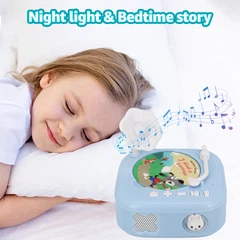
Learning robots target older kids with programmable features that introduce coding concepts through play. Sleep trainers combine gentle voice guidance with night lights and calming sounds. Emotional support toys help children name feelings and practice regulation strategies.
Each type addresses different developmental windows. The common thread is moving beyond one-way entertainment toward genuine back-and-forth interaction.
Real Benefits Backed by How Kids Actually Develop
The best AI toys aren't just fun-they align with what child development experts know works. Young children learn best through relationships, repetition, and responsive feedback. These toys provide patient, always-available interaction that busy parents can't always match in volume.
Language development gets a boost from dialogic-style conversations. Instead of just hearing a story, kids can ask questions or request repeats. Bilingual families appreciate models that switch languages naturally. Vocabulary grows through playful repetition rather than drills.
Social-emotional learning represents an especially promising area. Toys that recognize tone or model empathy give children low-pressure practice identifying and expressing feelings. For kids on the autism spectrum or those with anxiety, a non-judging companion that never gets frustrated can be incredibly valuable.
Cognitive skills benefit from adaptive difficulty. The toy senses when a child masters a concept and gently increases challenge. Fine motor development comes from physical interactions-shaking the toy to activate features, inserting cards, or pressing buttons.
Perhaps most importantly, these devices support screen-free time. Pediatric guidelines consistently recommend limiting passive digital consumption. Toys that encourage movement, imagination, and real-world play fit better with healthy development recommendations.


Safety and Privacy Must Come First
Any toy that connects to the internet or processes voice needs serious safeguards. Responsible manufacturers focus on several key areas.
Physical safety follows established standards like ASTM in the US and EN71 in Europe. Materials must be non-toxic, durable, and age-appropriate. Volume limits protect young ears. Battery compartments are designed to prevent access by small children.
Digital safety is equally critical. Privacy-by-design principles mean no unnecessary cameras, clear mute options, and local processing for sensitive functions. Parents should look for compliance with COPPA and GDPR where applicable. Content filters prevent inappropriate responses.
The best products offer transparency about data handling. They provide offline modes for core features and easy ways to review or delete stored information. As regulations evolve, especially around AI in consumer products, companies that prioritize compliance will build lasting trust.
Challenges and Realistic Expectations
Despite the excitement, these toys aren't perfect. AI can still misinterpret emotions or generate unexpected responses. No technology replaces human caregivers. The goal should be thoughtful supplementation rather than replacement.
Battery life, durability, and cost remain practical concerns for families. Content quality varies widely between manufacturers. Parents need to stay involved, choosing age-appropriate options and monitoring usage.
There's also an ongoing conversation about the right balance of technology in childhood. Smart toys should enhance play, not dominate it. The most successful products feel like natural extensions of traditional toys rather than miniature computers in disguise.
The Manufacturing Side: Bringing Ideas to Life
Creating these sophisticated toys requires expertise across multiple domains. Companies with experience in both electronics and traditional toy manufacturing have an advantage. They understand injection molding, plush production, audio engineering, and safe electronics integration.
Customization options help brands and content creators enter the space. From custom voices to branded stories to unique designs, the ability to tailor products opens doors for publishers, educators, and IP owners. Low minimum order quantities and rapid prototyping make it more accessible than ever.
Global certification processes ensure products meet safety standards across markets. This includes electrical safety, wireless compliance, and chemical restrictions. Manufacturers who handle this complexity well become valuable partners.


Looking Ahead at the Future of Play
The next few years will likely bring even more natural interactions. End-to-end AI models promise lower latency and more fluid conversations. Better emotional recognition could lead to more empathetic responses. Integration with physical play elements will keep improving.
Sustainability will matter more as parents consider environmental impact. Longer-lasting products with updatable content reduce waste compared to disposable toys. Modular designs that allow component replacement could extend useful life significantly.
Educational content will continue evolving. Partnerships between toy makers, child psychologists, and curriculum experts will produce more targeted learning experiences. The line between play and learning will blur in positive ways.
Why This Moment Matters
The convergence of affordable hardware, powerful AI, and parental demand for healthier alternatives has created perfect conditions for smart toys to thrive. These aren't just gadgets. They're companions that can support language growth, emotional intelligence, creativity, and confidence.
For families, the appeal lies in reclaiming playtime from screens while still providing stimulation and engagement. For the industry, it represents a chance to innovate in meaningful ways that actually improve children's lives.
The $100 billion opportunity isn't hype-it's a reflection of real shifts in how we think about technology's role in early development. Smart plush toys and AI storytellers stand out because they feel warm and approachable rather than cold and digital. They hug back. They remember. They adapt.
As this market matures, the winners will be those who prioritize safety, genuine educational value, and the simple joy of play. Parents aren't looking for the most advanced gadget. They want tools that help their kids feel understood, curious, and ready to explore the world-both digital and physical.
The future of childhood might just include a smart teddy bear that knows exactly when to tell a silly joke or offer a quiet word of encouragement. And that future looks a lot more engaging-and a lot less screen-focused-than many expected.