What Are Inclusive and Diverse Toys?
The toy industry is undergoing a revolutionary shift toward inclusion and diversity. Parents, educators, and brands now recognize that toys should reflect the real world-where children of all backgrounds, abilities, and identities can see themselves represented.
1. Disability-Friendly Toys
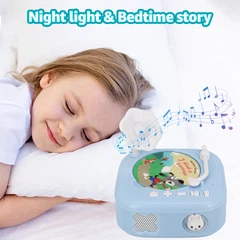
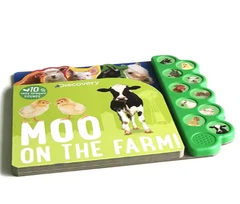
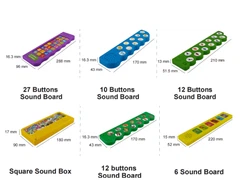
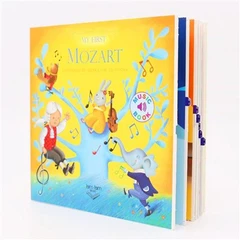
Helps visually impaired kids learn through play ,Our company also helps many clients produce audio books for the blind, enabling more children to read books independently.

Barbie Fashionistas with Wheelchairs & Prosthetics – Represents mobility differences
Fat Brain Toys Dimpl – Sensory-friendly for autism and ADHD

Culturally Diverse Dolls & Figures
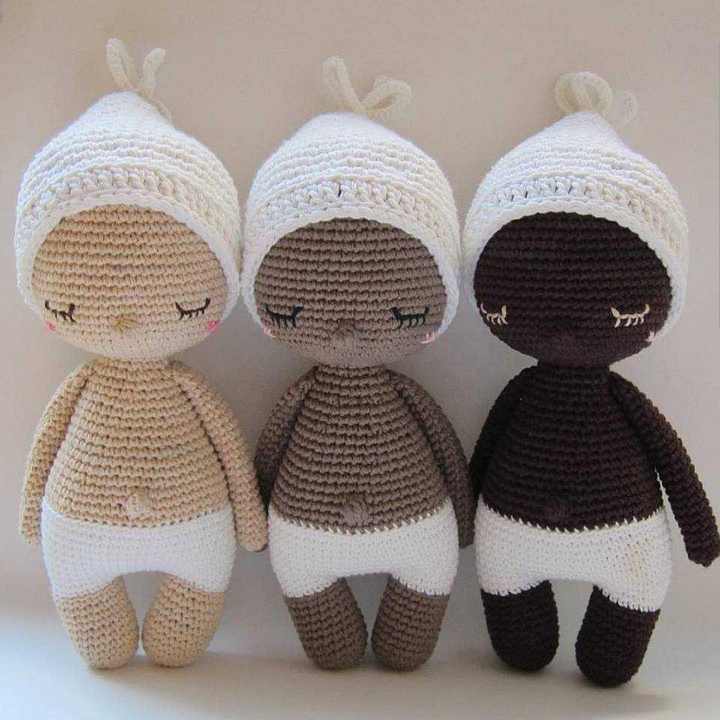
Lottie Dolls – Features diverse skin tones, cultures, and careers
American Girl Dolls – Includes historical figures from different backgrounds
My Family Builders – Magnetic dolls with interchangeable cultural outfits
Gender-Neutral & LGBTQ+ Inclusive Toys
Mattel Creatable World – Dolls without assigned genders
Our Generation Dolls – Offers diverse family structures (single parents, same-sex parents)
Toca Boca Apps – Digital games promoting inclusivit
Sensory & Neurodiversity-Friendly Toys
Play-Doh – Great for tactile stimulation
Harkla Weighted Lap Pad – Helps kids with anxiety or sensory needs
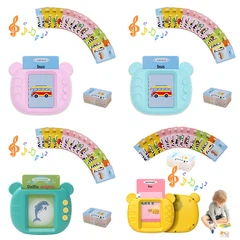
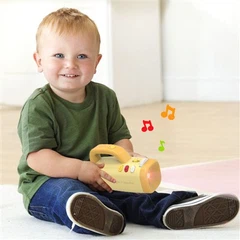
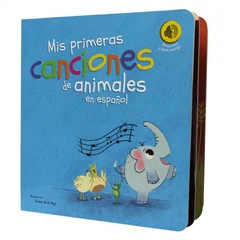
Talking flash cards – Encourages role-play for all abilities, language abblity

Why Inclusive Toys Matter for Child Development
1. Boosts Self-Esteem & Identity
Studies show kids who see themselves in toys have higher confidence (Child Development Journal, 2023).
Example: A Black child playing with a doll that has natural hair feels proud of their identity.
H3: 2. Encourages Empathy & Understanding
When kids play with diverse toys, they learn acceptance and kindness (Toy Association Report, 2024).
Example: A child playing with a doll in a wheelchair learns about accessibility challenges.
H3: 3. Supports Cognitive & Emotional Growth
Sensory toys help calm anxiety in neurodivergent kids (Harvard Health, 2023).
STEM toys (like LEGO Braille) improve problem-solving skills.

How to Choose the Right Inclusive Toy
H3: 1. Consider the Child's Needs
Sensory needs? → Look for fidget toys or weighted items
Cultural representation? → Choose dolls with accurate features
Physical disabilities? → Opt for adaptable toys (easy-grip, wheelchair-friendly)
2. Look for Authentic Representation
Avoid stereotypes (e.g., only certain races in service roles)
Check if brands consult with communities they represent
H3: 3. Read Reviews & Certifications
Look for ASTM F963 (safety standard)
Check if toys are OT-recommended (Occupational Therapist approved)
Future Trends in Inclusive Toys
AI-Personalized Toys – Custom dolls based on a child's appearance
Augmented Reality (AR) Play – Digital diversity in interactive games
More Adaptive Tech Toys – Voice-controlled toys for kids with limited mobility
Eco-Friendly & Inclusive – Sustainable materials + accessibility features