

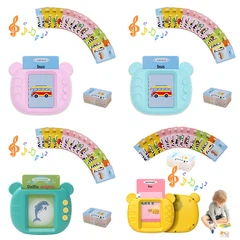
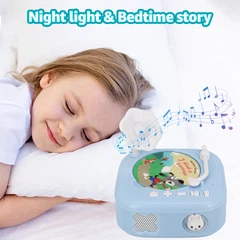
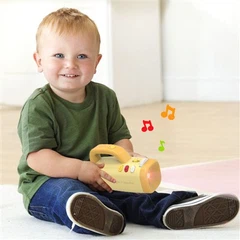



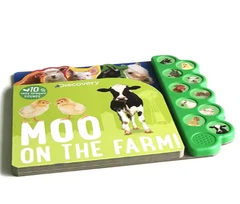


Embedded System Structure
A typical story machine adopts a layered embedded architecture:
- Main MCU Control Unit (task scheduling + interaction control)
- Audio Decoder Module (MP3 / WAV processing engine)
- Storage System (Flash / TF card content indexing)
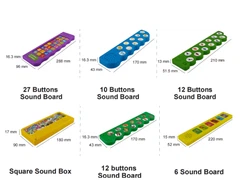
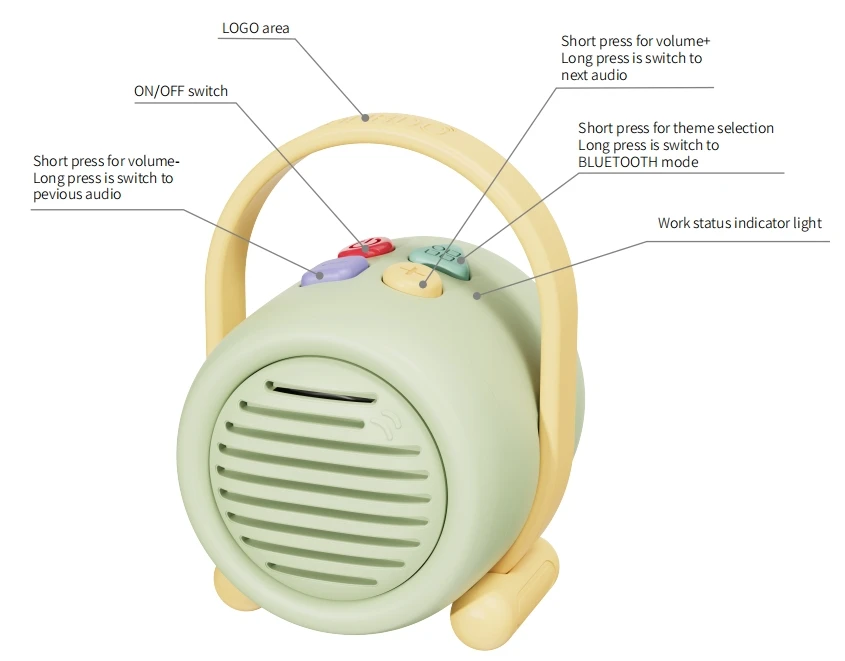
- Input Interface Layer (buttons, sensors, Bluetooth triggers)
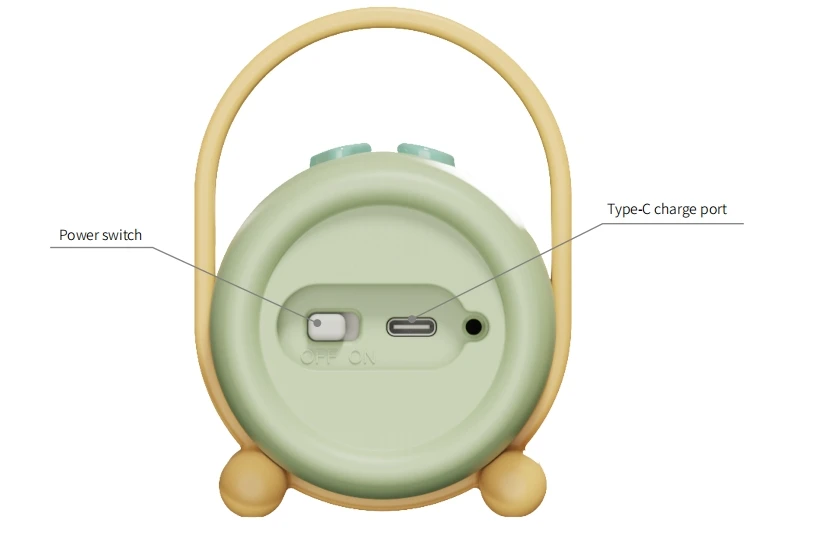
- Power Management Module (charging + voltage regulation)
- Audio Output Stage (amplifier + speaker unit)
This modular structure ensures stable real-time playback and scalable content expansion.
Audio Processing and Playback Logic

The core function of a story machine is deterministic audio output with minimal latency.
Technical highlights:
- Interrupt-driven playback triggering
- Pre-indexed audio mapping tables in flash memory
- Low-latency decoding pipeline (MP3/WAV hybrid support)
- Buffer-based streaming to prevent audio stutter
To ensure consistency in children's use scenarios, most systems prioritize real-time stability over high-compression audio complexity.
Interaction Control System
Modern story machines increasingly use multi-input hybrid control methods:
- Physical buttons (primary interaction)
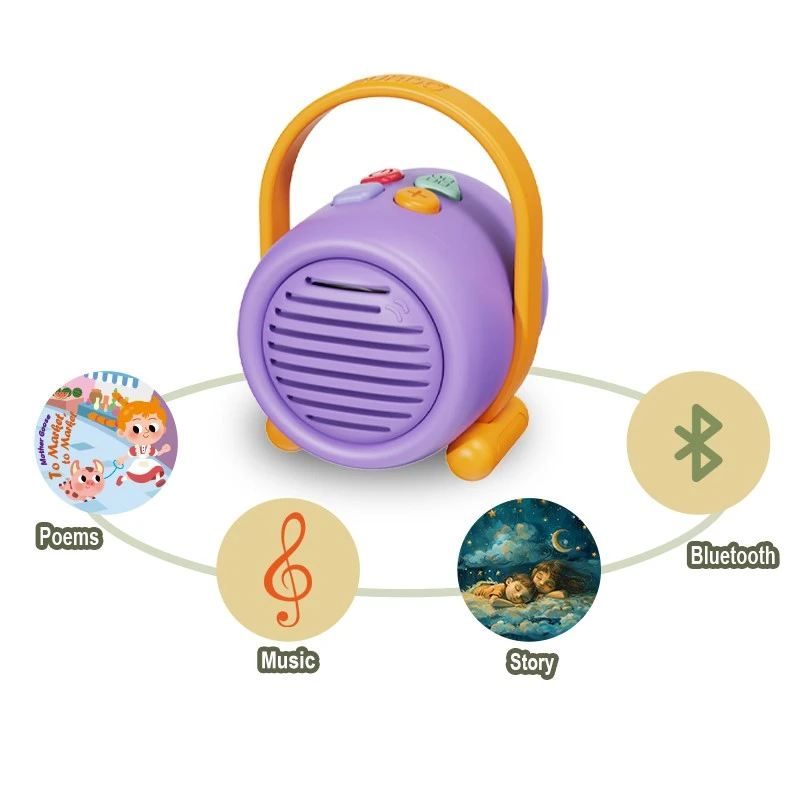
- Bluetooth remote triggering
- Optional RFID / card-based expansion systems
- Touch or capacitive sensing in upgraded models
Firmware uses event-driven logic:
Input event → debounce filtering → content mapping → audio engine activation → playback state control
This reduces accidental triggers and improves child usability.
Power Architecture and Efficiency Design
Story machines are optimized for long-duration portable usage.
Key engineering elements:
- Single-cell lithium battery (3.7V)
- Integrated charging protection IC
- Dynamic power scaling for audio output
- Deep sleep mode for standby efficiency
Typical optimization goal:
- Low standby current
- Stable 3–5W audio output without voltage drop distortion
Content System and Expandability
Unlike fixed audio toys, modern story machines rely on modular content architecture.
Supported structures include:
- Indexed story libraries stored in Flash/TF
- Multi-language audio datasets
- Expandable content packages (download or card-based)
- Categorized learning modules (stories, music, cognition audio)
This allows manufacturers to separate hardware platform vs. content ecosystem, improving product lifecycle value.
Manufacturing and OEM/ODM Engineering Capability
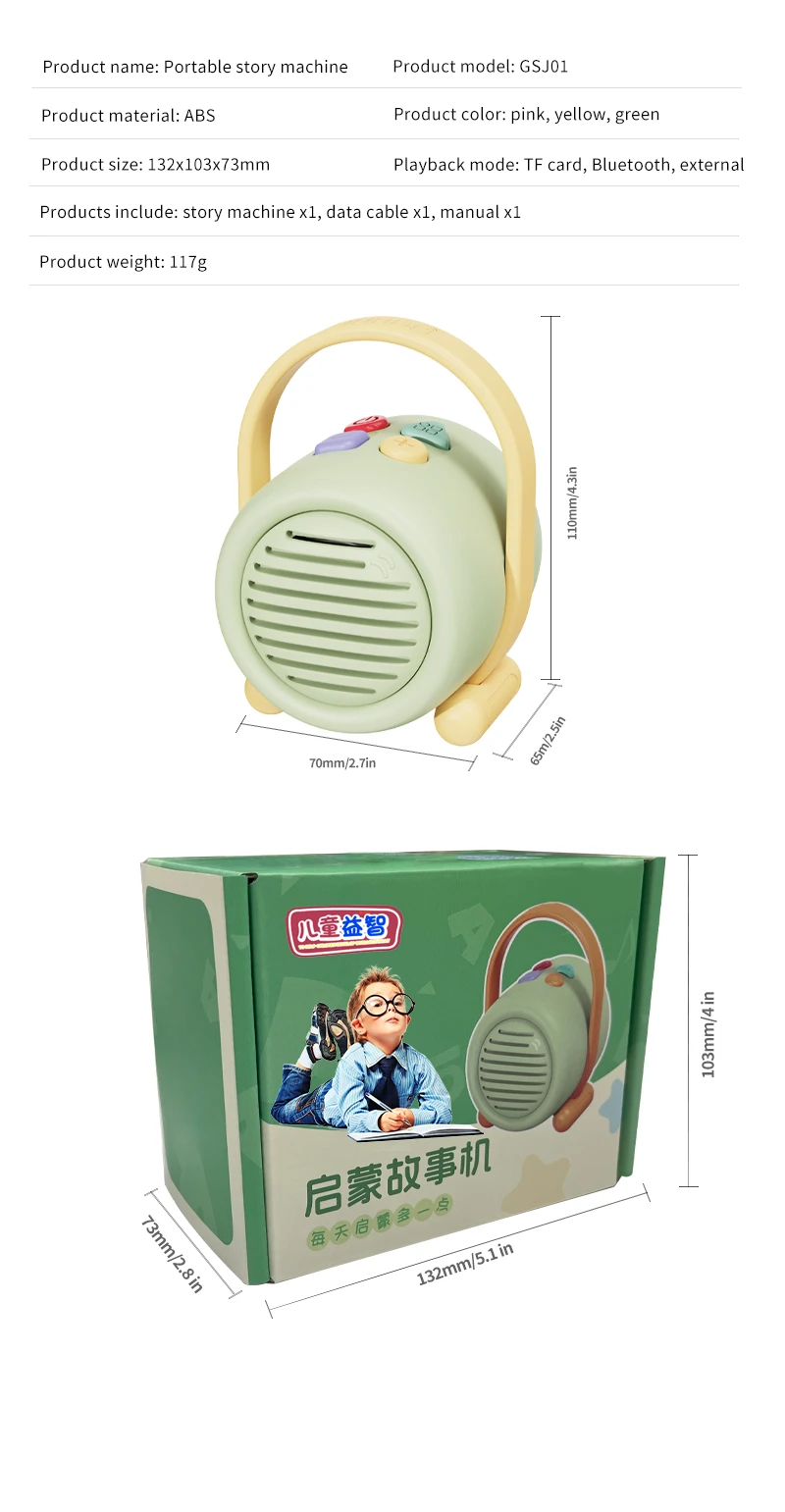
From a production perspective, story machines require cross-domain integration:
- PCB design and RF/audio layout optimization
- Firmware development for interaction logic
- Acoustic tuning for voice clarity
- Injection molding for ergonomic design
- Full-system aging and reliability testing
Advanced OEM/ODM capability typically includes:
- Rapid prototyping cycles (7–15 days)
- Custom firmware adaptation per client
- Multi-language content integration
- Flexible storage architecture (8MB–32GB+ solutions)
The technical evolution of children's story machines is driven by embedded system optimization + modular content architecture + low-power audio engineering.
Competitive advantage in this category depends on a manufacturer's ability to integrate:
- Stable MCU firmware systems
- Efficient audio decoding pipelines
- Reliable power management design
- Scalable educational content frameworks
As demand grows for screen-free learning devices, story machines are becoming a mature embedded audio platform rather than a traditional toy category.