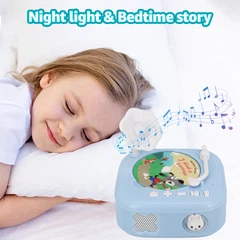
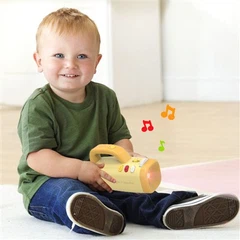
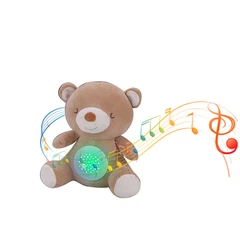

Introduction: Giants Step Into a New Blue Ocean
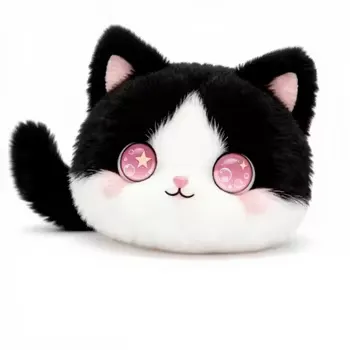
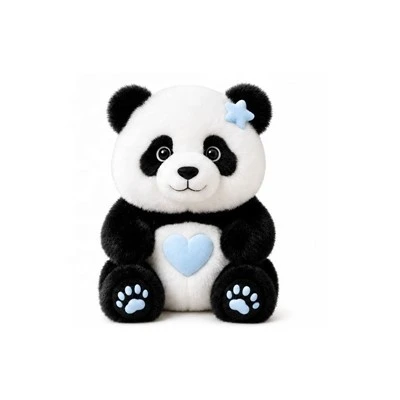
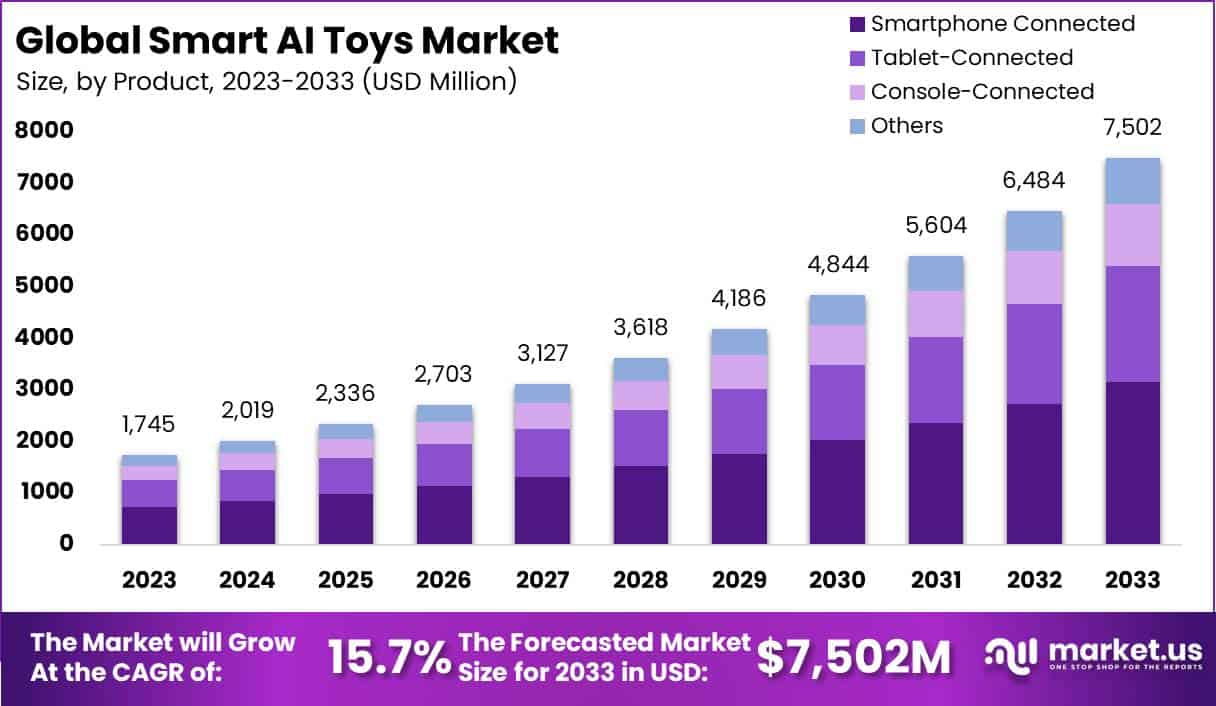
In 2025, the AI toy market has become one of the fastest-growing segments in the tech and toy industries-all thanks to the entry of two heavyweights: Huawei and JD. Huawei's "Smart Hanhan," an AI companion toy priced at 399 yuan, sold out in seconds upon its launch, with second-hand prices surging 15% to 40%. Meanwhile, JD hosted the 2025 AI Toy Conference, gathering over 600 toy and smart hardware brands to promote its JoyInside AI platform. These moves aren't just random-they signal a major shift in the AI toy market, driven by rising demand, mature technology, and policy support. According to a white paper jointly released by JD and the Shenzhen Toy Association, China's AI toy market is expected to exceed 10 billion yuan by 2030, with an annual growth rate of over 70%, while the global market will hit 100 billion yuan. Huawei and JD's strategies are not only changing how AI toys are made and sold but also redefining who these toys are for.
Why Huawei and JD Are Betting Big on AI Toys
1. Surging Demand for Emotional and Educational Companionship
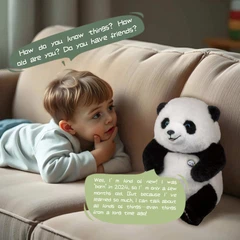
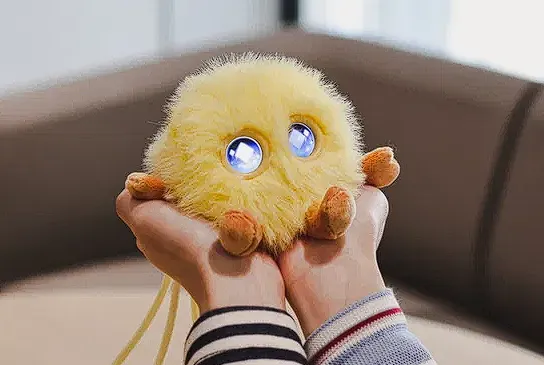
The core driver behind the AI toy boom is unmet human needs. For families, dual-income parents often struggle to spend enough time with their kids-AI toys like Huawei's Smart Hanhan and JD-partnered Fuzozo act as "smart companions" for early education and emotional support. For adults, China has over 120 million single residents, and AI toys offer low-pressure emotional interaction. The World Health Organization (WHO) reports that one in six people globally suffers from loneliness, making AI toys a practical solution for "fighting loneliness." JD's sales data shows that AI toy sales grew 200% year-on-year in the first half of 2025-clear proof that demand is skyrocketing.
2. Mature Technology Lowers the "Innovation Barrier"
AI toys were once limited by clunky interactions and high costs, but today's technology has changed that. Huawei uses its Pangu large language model (LLM) to power Smart Hanhan's natural conversations-even recognizing emotions and adjusting its tone to comfort users. JD's JoyInside platform integrates end-to-end solutions: cloud computing, voice recognition (ASR), voice synthesis (TTS), and long-term memory functions, letting small brands "plug and play" without building AI from scratch. Cheaper AI chips and multi-modal sensors also help bring down prices-Huawei's 399 yuan price tag is far lower than the 500-1500 yuan range of most competitors, making AI toys accessible to mainstream consumers.
3. Policy Support Boosts Industry Confidence
Governments are also backing the AI toy sector. China's Ministry of Industry and Information Technology (MIIT) recently labeled AI toys a "new engine for industrial upgrading," encouraging cross-industry cooperation between toy companies and tech firms. Guangdong Province, a hub for toy manufacturing, released a plan to make AI toys account for over 30% of the province's toy sales by 2027, with a target of 100 billion yuan in revenue for large-scale toy enterprises. These policies give Huawei and JD the confidence to invest heavily, knowing the industry has long-term government support.
Huawei vs. JD: Differentiated Strategies to Win the Market
Huawei: Low-Cost, Ecosystem-Driven Penetration 🚀
Huawei's strength lies in its brand trust, affordable pricing, and ecosystem synergy.
Affordable Pricing: The 399 yuan Smart Hanhan is designed for mass markets. Unlike expensive imports (such as Japan's Casio Moflin, priced at 3,000 yuan), it targets families and young people who want AI companions without overspending. Its instant sell-out and second-hand premium show that consumers see it as a "value-for-money" product.
Ecosystem Integration: Smart Hanhan works with Huawei's HarmonyOS-parents can use their phones to set content limits for kids, and the toy can sync with Huawei smart TVs to show interactive animations. This "multi-device experience" makes Smart Hanhan more than just a toy; it's part of a connected smart home.
Brand Trust: For parents, Huawei's reputation for safety and quality eases worries about AI content. Unlike small brands, Huawei has strict content filters to block inappropriate material, making Smart Hanhan a top choice for families.
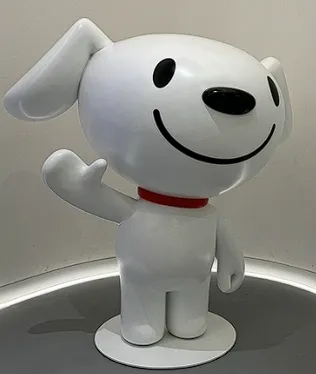
JD: Tech Platforms and "Blockbuster Incubation" for Brands 🛠️
JD focuses on empowering other brands through technology and channel advantages, rather than making its own toys.
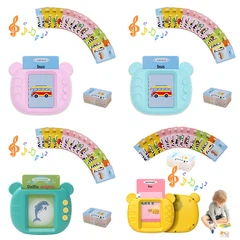
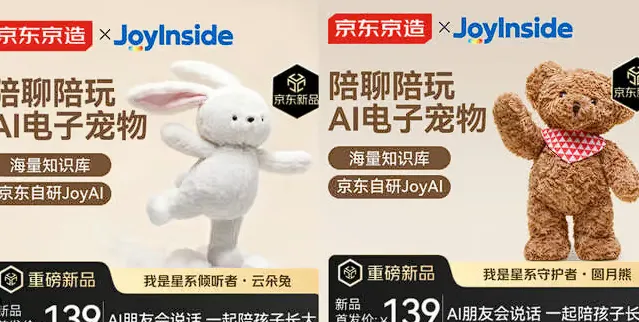
JoyInside: A One-Stop AI Solution: JD's JoyInside platform offers everything brands need-from AI models to voice optimization and content libraries (including children's songs, stories, and early education materials). Over 60 brands, including Fuzozo (called "the AI version of Labubu") and educational robot brands like Huohuotu and Yuanluobo, have already joined. Fuzozo sold 3,000 units in pre-sales during JD's 618 shopping festival, becoming the top-selling "AI fashion accessory."
Blockbuster Methodology: JD uses data to help brands create popular products. It analyzes consumer trends to identify needs (e.g., "portable AI toys for travel"), calculates market size for niche categories, and provides 1-on-1 operation support and 100-million-level traffic promotion. JD plans to create 20 "10-million-yuan bestsellers" and 100 "1-million-yuan new products," turning itself into an "incubator" for AI toy hits.
Omnichannel Channels: JD's nationwide logistics and offline partnerships (such as in Macy's stores) help brands reach consumers everywhere. Unlike online-only platforms, JD lets users touch and test AI toys in stores, boosting trust and sales.
How Their Entry Shapes the AI Toy Industry
1. Accelerating Market Education
Before Huawei and JD entered, AI toys were a niche category-most consumers didn't know what they could do. Huawei's brand influence and JD's marketing have made AI toys mainstream. Social media is filled with posts about Smart Hanhan and Fuzozo, with users sharing how the toys help kids learn or ease loneliness. This "word-of-mouth" has turned AI toys from "novelties" into "must-have items."
2. Pushing Small Brands to Upgrade
Smaller toy companies often lack AI technology and resources. JD's JoyInside lets them compete with big brands by providing ready-to-use AI tools. For example, a traditional plush toy brand can add JoyInside's voice interaction to its products in months, instead of years of R&D. Huawei's high-quality standards also force competitors to improve-brands like Tomcat and UBtech are now upgrading their AI's conversation skills to match Smart Hanhan.
3. Balancing Competition and Collaboration
While Huawei and JD compete in some areas (e.g., Huawei sells its own toys on JD's platform), they also collaborate. JD helps Huawei sell Smart Hanhan to its 500 million users, and Huawei's ecosystem brings more users to JD's AI toy partners. This "compete-and-collaborate" model is healthy for the industry-it avoids cut-throat price wars and focuses on innovation.

Challenges and Future Trends of the AI Toy Market
Ongoing Challenges: Homogeneity and Experience Gaps
Despite the boom, the industry faces big problems.
Homogeneity: Many AI toys look and work the same. For example, Huawei's Smart Hanhan and UBtech's Youzai both use "color-coded personalities" (e.g., blue for calm, yellow for energetic) and similar 养成 (training) systems. Consumers may get bored if products don't stand out.
Interaction Quality: Some users complain that AI toys are "slow to respond" or "run out of things to say." Even Smart Hanhan sometimes fails to understand kids' messy speech-showing that AI still needs to improve.
Privacy and Safety: AI toys collect user data (e.g., voice recordings), raising privacy concerns. Brands need stricter data protection to avoid leaks, especially for children's information.
Future Trends: Segmented Scenarios and Deeper AI Integration
The future of AI toys will be about "more specific needs" and "smarter interactions."
Segmented Scenarios: AI toys will target smaller groups-for example, toys for elderly people (to remind them to take medicine), outdoor AI 挂饰 (like Fuzozo, which can be carried in bags), or AI toys for kids with special needs (to help with language learning). JD's JoyInside is already developing scenario-specific solutions, such as AI for 0-2-year-olds (focused on comfort) and 3-6-year-olds (focused on early education).
Deeper AI Integration: Future AI toys will have better memory and personalization. For example, a toy might remember a kid's favorite story and create new endings based on it, or adjust its teaching style to match a kid's learning speed. Huawei's Pangu model and JD's JoyAI will keep upgrading to make these features possible.
Combination of IP and AI: IP (intellectual property) will become more important. Brands will partner with popular cartoons or games to create AI toys with familiar characters-for example, a "Peppa Pig AI toy" that talks like Peppa. JD's partnerships with animation studios and Huawei's IP for "Hanhan" show that this trend is already starting.
Conclusion: Huawei and JD as Catalysts for Market Growth
Huawei and JD's entry into the AI toy market is a game-changer. Huawei's low-cost, ecosystem-driven approach has made AI toys accessible to everyone, while JD's tech platform and blockbuster methodology have given small brands a chance to innovate. Together, they are turning a niche market into a global industry worth 100 billion yuan.
The road ahead won't be easy-homogeneity, interaction quality, and privacy issues need to be solved. But with two giants leading the way, the AI toy market is set to grow faster than ever. For consumers, this means better, cheaper, and more fun AI companions. For brands, it means a once-in-a-lifetime chance to be part of a booming industry. As Huawei and JD continue to invest and innovate, the future of AI toys looks bright-one that combines technology, emotion, and fun for people of all ages 🎉.