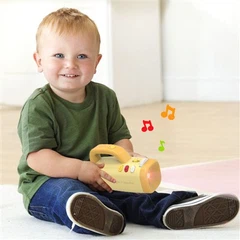

Selecting the right toys for children is a crucial decision that goes beyond mere entertainment. It involves understanding how playthings can influence a child's physical, cognitive, emotional, and social growth. Parents and caregivers often find themselves overwhelmed by the vast array of options available in stores and online, but by focusing on developmental appropriateness, safety, and educational value, they can make informed choices that truly benefit their little ones. This blog examines the key considerations in selecting toys that foster healthy development, drawing on expert insights and practical guidelines to help you navigate this crucial aspect of parenting.
Understanding Child Development Stages
Children progress through distinct developmental stages, each with unique needs and abilities that toys can either support or hinder. Recognizing these stages allows parents to pick toys that align with their child's current capabilities while gently encouraging new skills. For instance, infants and toddlers require toys that stimulate basic sensory and motor functions, whereas older children benefit from those that challenge problem-solving and creativity.
Toys for Infants from Birth to One Year
During the first year of life, infants undergo rapid changes in their sensory perception and motor skills. Toys at this stage should focus on stimulating sight, sound, touch, and basic movement without overwhelming the child. Soft, colorful rattles or mobiles with high-contrast patterns are ideal because they help develop visual tracking and auditory awareness. As babies begin to grasp and manipulate objects, textured toys like soft blocks or teething rings encourage fine motor development and provide comfort during teething phases. These early interactions lay the foundation for later cognitive abilities, such as cause-and-effect understanding, which emerges when a baby shakes a rattle and hears a sound. Parents should prioritize toys made from non-toxic materials that are large enough to prevent choking hazards, ensuring that playtime remains a safe avenue for exploration.
Toys for Toddlers Aged One to Three Years
Toddlers are bursting with energy and curiosity, making this a prime time for toys that promote physical activity and language development. Push-and-pull toys, such as wagons or animal-shaped walkers, help strengthen gross motor skills as children learn to balance and coordinate their movements. Stacking cups or simple puzzles introduces concepts of size, shape, and spatial relationships, fostering problem-solving abilities in a hands-on way. Role-playing items like pretend kitchen sets or dolls encourage imaginative play, which is essential for emotional growth and social skills, as toddlers begin to mimic adult behaviors and express feelings through play. At this age, toys should be durable and easy to clean, with rounded edges to accommodate the inevitable rough handling. By engaging with these toys, toddlers not only build physical strength but also start developing empathy and communication, setting the stage for more complex interactions in preschool years.
Toys for Preschoolers from Three to Five Years
Preschoolers exhibit growing independence and a thirst for knowledge, so toys that challenge their intellect and creativity are particularly beneficial. Building sets with interlocking blocks allow children to construct elaborate structures, enhancing spatial reasoning and fine motor precision. Art supplies, such as washable markers and clay, promote self-expression and hand-eye coordination, while also teaching color recognition and basic artistic techniques. Board games with simple rules introduce turn-taking and basic strategy, which support social development and emotional regulation. These toys help preschoolers transition from solitary play to cooperative activities, preparing them for school environments where sharing and collaboration are key. It's important to select toys that can adapt to the child's evolving skills, offering multiple ways to play to sustain interest over time.
Key Factors in Choosing Developmentally Appropriate Toys
Beyond age-specific recommendations, several overarching factors should guide toy selection to ensure they contribute positively to a child's growth. These include safety standards, educational potential, and the ability to accommodate diverse needs, all of which play a role in creating enriching play experiences.
Prioritizing Safety in Toy Selection
Safety is the paramount concern when choosing toys for children of any age. Toys should comply with established safety regulations, such as those set by organizations like the Consumer Product Safety Commission, which mandate that products be free from small parts that could pose choking risks, sharp edges that might cause injuries, and toxic substances like lead-based paints. For younger children, opt for toys labeled as BPA-free and phthalate-free to avoid potential health issues from chemicals. Battery-operated toys require secure compartments to prevent access to small batteries, and cords or strings should be short to eliminate strangulation hazards. Regularly inspecting toys for wear and tear is essential, as damaged items can become dangerous over time. By emphasizing safety, parents not only protect their children but also foster a secure environment where exploration can thrive without fear.
Evaluating Educational and Skill-Building Value
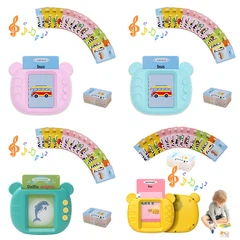
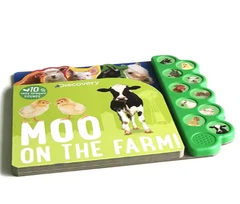
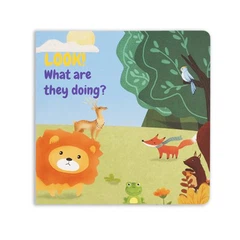
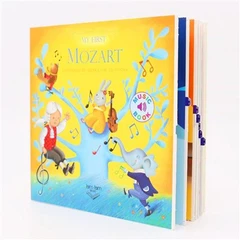
The best toys are those that educate while entertaining, helping children develop a range of skills through play. Look for open-ended toys that encourage creativity rather than those with predetermined outcomes, such as electronic gadgets that limit imagination. For example, wooden blocks can be used to build towers, roads, or imaginary worlds, promoting critical thinking and spatial awareness. Toys that incorporate STEM elements, like simple science kits for mixing colors or magnetic building sets, introduce foundational concepts in science, technology, engineering, and math engagingly. Language development can be supported through books with interactive flaps or puppets that inspire storytelling. When assessing a toy's value, consider how it aligns with your child's interests and current developmental milestones, ensuring it provides opportunities for growth in multiple areas, from cognitive to emotional.
Considering Inclusivity and Diverse Needs
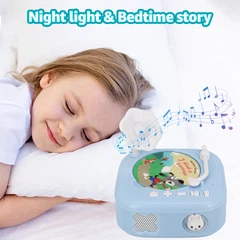
Children have varying abilities and preferences, so inclusive toy selection is vital for supporting all aspects of development. For children with sensory processing differences, toys with varied textures, sounds, or lights can provide therapeutic benefits, helping them regulate emotions and improve focus. Adaptive toys, such as those with larger grips for children with motor challenges or high-contrast visuals for those with vision impairments, ensure that play is accessible to everyone. Gender-neutral options, like dolls and action figures available in diverse representations, promote empathy and break down stereotypes, allowing children to explore roles without limitations. By choosing toys that cater to individual needs, parents can create an equitable play environment that celebrates diversity and fosters self-confidence.

The Role of Toys in Holistic Child Development
Toys are more than just playthings; they are tools that shape a child's overall well-being. Engaging with appropriate toys can enhance brain development, build resilience, and even strengthen family bonds through shared playtime.
Promoting Physical and Motor Skills Through Play
Physical development is a core benefit of well-chosen toys, as they encourage movement and coordination. Outdoor toys, such as balls, tricycles, or climbing structures, promote gross motor skills by improving balance, strength, and agility. Indoor options, such as shape sorters or threading beads, refine fine motor abilities essential for tasks like writing and buttoning clothes. Regular play with these toys helps children achieve milestones at a healthy pace, reducing the risk of developmental delays. Moreover, active play contributes to better sleep patterns and overall health, underscoring the importance of incorporating movement-oriented toys into daily routines.
Enhancing Cognitive and Emotional Growth
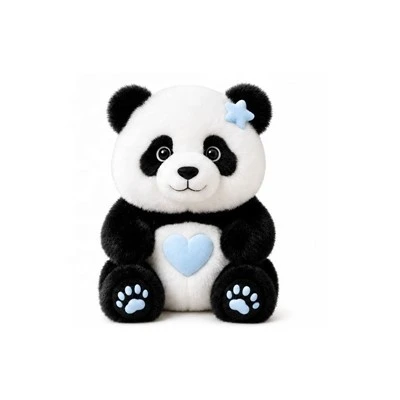
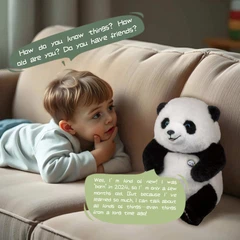
Cognitive growth flourishes when toys challenge children to think, reason, and innovate. Puzzles and memory games sharpen concentration and problem-solving skills, while construction toys teach persistence as children rebuild after failures. Emotionally, toys like stuffed animals provide comfort and a means to process feelings, helping children develop self-soothing techniques. Through pretend play, kids learn to navigate social scenarios, building empathy and conflict resolution skills. These experiences are crucial for developing emotional intelligence, which in turn influences long-term success in relationships and academics.
To illustrate the alignment between age groups and toy recommendations, consider the following table of suggested toys and their benefits:
| Age Group | Recommended Toys | Developmental Benefits |
|---|---|---|
| 0-1 Year | Rattles, mobiles, soft blocks | Stimulates sensory development, improves grasping and visual tracking |
| 1-3 Years | Push toys, stacking cups, and dolls | Enhances motor skills, encourages imaginative play, and language acquisition |
| 3-5 Years | Building blocks, art supplies, and simple board games | Boosts creativity, spatial reasoning, and social interaction |
| 5-7 Years | Science kits, puzzles, bicycles | Promotes problem-solving, physical activity, and foundational STEM knowledge |
This table highlights how toys evolve with a child's needs, providing a quick reference for parents.
Encouraging Social Skills and Family Interaction
Social development is amplified when toys facilitate group play and family involvement. Games that require cooperation, such as cooperative board games or team-building sets, teach sharing, patience, and communication. Involving siblings or parents in play sessions with toys like role-playing kits strengthens bonds and models positive behaviors. These interactions help children understand social norms and build confidence in group settings, which is invaluable for school and beyond. Encouraging such play also allows parents to observe and guide their child's development, intervening supportively when needed.
Practical Tips for Parents on Toy Management
Once the right toys are selected, managing them effectively ensures sustained benefits. Rotating toys to prevent boredom keeps play fresh and engaging, while organizing storage promotes independence as children learn to tidy up. Limiting screen-based toys in favor of hands-on options balances development, and involving children in selection processes teaches decision-making. Regularly reviewing toy collections to donate outgrown items not only declutters but also instills generosity.
In conclusion, choosing toys that foster better development in children requires a thoughtful approach that considers age, safety, educational value, and individual needs. By investing time in this process, parents can transform playtime into a powerful catalyst for growth, equipping their children with the skills needed for a bright future. Whether it's a simple rattle for an infant or a complex puzzle for a preschooler, the right toy can make all the difference in nurturing a well-rounded individual.