In the context of globalization, the inheritance and development of traditional culture face numerous challenges. Toys, as important companions in children's growth, not only serve an entertainment function but also carry the mission of cultural communication. Integrating traditional cultural elements into toy design can inject new vitality into the toy industry while allowing children to implicitly understand and inherit traditional culture through play. This article explores how to skillfully incorporate traditional cultural elements into toy design, providing new ideas for the development of the toy industry.

The Significance of Integrating Traditional Cultural Elements into Toy Design
Inheriting and Promoting Traditional Culture
Traditional culture is the spiritual lifeline of a country and nation. Through toys, traditional culture can be presented to children in a vivid and interesting way. For example, toys based on traditional Chinese folk stories such as "Chang'e Flying to the Moon" and "The Cowherd and the Weaver Girl" allow children to learn the cultural connotations behind these stories while playing, thereby fostering a strong interest in traditional culture and achieving its inheritance and promotion.
Meeting Diversified Consumer Needs
As consumers' aesthetic standards improve and cultural confidence grows, there is an increasing demand for toys with cultural connotations. Toys integrated with traditional cultural elements can satisfy consumers' pursuit of unique and personalized products. Take the cultural and creative products launched by the Palace Museum as an example: by incorporating elements of the Palace Museum's architecture and cultural relics into toy designs, these products have been well-received by consumers and become popular in the market.
Enhancing the Added Value of Toys
The integration of traditional cultural elements endows toys with more cultural and emotional value, thereby increasing their added value. An ordinary toy may only have entertainment functions, but when combined with traditional cultural elements, it can not only entertain children but also become a collectible cultural artwork. For instance, some limited-edition traditional craft toys, such as exquisite paper-cut toys and embroidery toys, are often priced higher than ordinary toys but still sought after by consumers.

Ways to Integrate Traditional Cultural Elements into Toy Design
Drawing Inspiration from Traditional Shapes
Traditional Chinese cultural symbols, such as architecture, artifacts, and animals, have unique aesthetics and meanings, providing rich inspiration for toy shape design. For example, building block toys modeled after traditional Chinese architecture, such as the corner towers of the Palace Museum and the Yellow Crane Tower, allow children to appreciate the charm of traditional architecture while exercising spatial imagination and hands-on skills during assembly. Similarly, plush toys shaped like traditional mythical beasts, such as qilin (unicorn) and pixiu (a mythical creature), are not only cute but also imply good luck and prosperity.
Using Traditional Colors
China's traditional color system has distinctive features and rich cultural connotations. Red symbolizes auspiciousness and joy in Chinese culture, yellow represents imperial dignity, and blue embodies freshness and tranquility. Reasonable use of these traditional colors in toy design can enhance the cultural recognition of toys. For example, toys themed around traditional festivals, such as red envelope dolls for the Spring Festival and five-color string toys for the Dragon Boat Festival, create a strong festive atmosphere through traditional colors.
Case Studies of Success
Palace Museum Cultural and Creative Toys
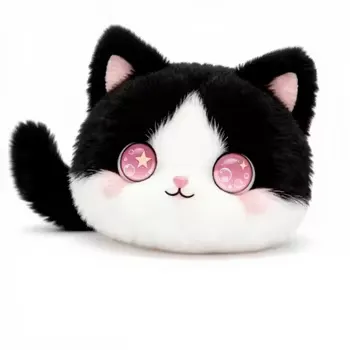
The Palace Museum has launched many toys incorporating traditional cultural elements, such as the "Palace Cat" series dolls and court dolls. Taking the Palace Cat as an example, it combines the image of cats in the Palace Museum with court elements. The dolls' clothing and accessories draw inspiration from ancient court costumes, featuring bright colors and cute shapes. Popularized through social media, the Palace Cat dolls quickly became a representative product of Palace Museum cultural and creative products, spreading Palace Museum culture and
revitalizing the toy market.
Chinese-Style Building Blocks by Brands Like Lego
Lego has released several building block sets with traditional Chinese cultural characteristics, such as "Chinese New Year Temple Fair" and "Dragon Dance". These sets skillfully incorporate elements of traditional Chinese architecture and folk activities. Through assembly, children can recreate the lively scenes of traditional temple fairs and experience the joy of dragon dancing. These products have been widely popular globally, demonstrating the appeal of traditional cultural elements in the international toy market.
Traditional Chinese Craft Toys
Some traditional craft toys, such as paper-cut toys, dough figurines, and kite toys, have undergone innovative designs while retaining traditional craftsmanship. For example, some paper-cut toys adopt three-dimensional designs to enhance their fun and ornamental value; dough figurines have been updated to fit modern aesthetics with brighter colors. These traditional craft toys are not only popular in the domestic market but also exported internationally, becoming important carriers of Chinese traditional culture.

Challenges and Solutions
Challenges
Depth of Cultural Understanding: To integrate traditional cultural elements into toy design, designers need in-depth understanding and research of traditional culture. Otherwise, improper or incorrect use of elements may undermine the toys' cultural connotations.
Balancing Modern Aesthetics with Tradition: While incorporating traditional elements, it is necessary to cater to modern consumers' aesthetic preferences. Finding a balance between tradition and modernity is a major challenge for designers.
Cost Control: Using traditional materials and craftsmanship may increase production costs. Toy companies need to control costs while ensuring quality and cultural connotations to improve market competitiveness.
Solutions
Strengthening Cultural Learning and Research: Toy companies can invite cultural experts and scholars to train designers, organize them to study traditional culture, and visit museums and folk villages to deepen their understanding and perception of traditional culture.
Conducting Market Research: By researching market demand, companies can understand consumers' aesthetic preferences and combine modern design concepts with traditional cultural elements to create toys that are both culturally distinctive and aesthetically modern.
Optimizing Production Processes: Through technological innovation and production process optimization, reduce the cost of using traditional materials and craftsmanship. Meanwhile, combining traditional and modern materials can maintain cultural characteristics while controlling costs.
Integrating traditional cultural elements into toy design is a new trend in the toy industry and an important way to inherit and promote traditional culture. By skillfully using traditional cultural elements to create toys with cultural connotations, fun, and educational value, companies can not only meet consumer needs but also bring new development opportunities to the toy industry. Toy enterprises and designers should actively explore, overcome challenges, and let traditional culture thrive in toy design.