


Children's sound books, those delightful interactive tomes that combine storytelling with auditory elements, have captivated young minds for generations. These books go beyond traditional reading by incorporating buttons that trigger sounds, music, or voices, making the experience more immersive and educational. Designing and producing one requires a blend of creativity, technical know-how, and an understanding of child development. In this blog, we'll explore the entire process from initial concept to final product, drawing on industry insights to help aspiring authors, illustrators, and publishers create something truly special. Whether you're a parent with a story idea or a professional looking to enter the children's book market, the journey involves careful planning to ensure the book is safe, engaging, and durable. By focusing on age-appropriate content and high-quality production, you can craft a book that not only entertains but also aids in learning skills like language acquisition and sensory exploration.

Understanding the Basics of Children's Sound Books
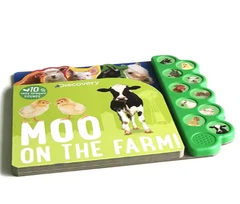
Before diving into the design and production, it's essential to grasp what sets sound books apart from regular children's literature. These books typically feature sturdy board pages with embedded electronic modules that play sounds when pressed. The sounds can range from animal noises and musical tunes to narrated phrases, all synchronized with the illustrations and text. This interactivity encourages children to participate actively in the reading process, turning passive listening into an engaging activity that stimulates multiple senses. For instance, a book about farm animals might have buttons that produce realistic mooing or clucking, helping toddlers associate visuals with auditory cues. The key to success lies in balancing educational value with fun, ensuring that the sounds enhance rather than overwhelm the narrative.
What Makes a Sound Book Engaging
Engagement in children's sound books stems from the thoughtful integration of elements that appeal to young readers' curiosity and developmental stages. A well-designed sound book uses high-quality audio that is clear and appropriately timed, avoiding distortions that could frustrate users. The narrative should be simple yet captivating, with repetitive phrases that invite children to anticipate and activate the sounds themselves. Illustrations play a crucial role here, as vibrant, colorful artwork draws the eye and complements the audio, creating a cohesive experience. Moreover, the placement of sound buttons must be intuitive-often aligned with images-so that even pre-readers can navigate independently. Safety and durability are non-negotiable; books that withstand enthusiastic handling while posing no risks will earn parents' trust and encourage repeated use. Ultimately, the most engaging sound books foster emotional connections, like those evoking laughter or wonder, making them memorable tools for early learning.
Target Age Groups and Their Needs
Different age groups require tailored approaches in sound book design to match their cognitive and motor skills. For infants and toddlers under two years, focus on basic sounds like gentle lullabies or simple object noises, paired with high-contrast illustrations to support visual development. These books should have large, easy-to-press buttons to accommodate tiny hands and limited dexterity. As children reach preschool age, around three to five years, incorporate more complex narratives with educational sounds, such as alphabet pronunciations or counting rhymes, to build foundational skills. Buttons can be smaller and more numerous, encouraging fine motor practice. For school-aged kids up to eight, add layered sounds like storytelling voices or interactive quizzes, promoting literacy and critical thinking. Across all groups, consider cultural inclusivity and diversity in themes to broaden appeal. Understanding these needs ensures the book not only entertains but also supports developmental milestones, making it a valuable addition to any child's library.

The Design Phase
The design phase is where creativity meets practicality, transforming a vague idea into a blueprint for production. This stage involves brainstorming the story, selecting sounds, and laying out the visual elements. Collaboration between writers, illustrators, and audio specialists is vital to ensure harmony among all components. Start by outlining the book's objectives-whether it's teaching vocabulary, exploring emotions, or simply providing fun-and build from there. Digital tools like graphic design software can help mock up pages, allowing for iterations before committing to prototypes. Attention to detail here prevents costly revisions later, setting the foundation for a polished final product.
Conceptualizing the Story and Sounds
Conceptualizing the story begins with identifying a compelling theme that resonates with children, such as adventures in nature or everyday routines. The narrative should be concise, with each page or spread focusing on one key idea to maintain attention spans. Sounds must align seamlessly with the text; for example, if a character speaks, the audio should match the written dialogue in tone and pacing. Recording high-quality audio involves professional voice actors or sound effects libraries to achieve clarity and expressiveness. Experiment with variations-whispers for mystery or upbeat tunes for excitement-to evoke emotions. Consider the sequence of sounds to build rhythm, like escalating volumes in a climax, while keeping overall length under a minute per activation to avoid overwhelming young listeners. This thoughtful conceptualization ensures the story and sounds work in tandem, creating an immersive world that captivates from the first page.
Choosing Illustrations and Layout
Illustrations are the visual heartbeat of a children's sound book, requiring artists skilled in child-friendly styles that are bold, whimsical, and detailed enough to spark imagination. Opt for digital or hand-drawn artwork in vibrant colors that pop against the page, ensuring cultural representation to foster inclusivity. The layout must integrate text, images, and sound buttons without clutter; for instance, position buttons near relevant illustrations to guide interaction intuitively. Use consistent fonts that are large and playful, aiding early readers in associating letters with sounds. Page spreads should flow logically, with ample white space to prevent visual overload. Testing mockups with focus groups of children can reveal what works best, refining the design to maximize engagement. A well-chosen illustration and layout not only beautify the book but also enhance comprehension, making abstract concepts tangible through visual storytelling.
Integrating Sound Elements
Integrating sound elements demands precision to ensure technical reliability and user-friendliness. Select sound modules that are compact yet powerful, capable of storing multiple clips without draining batteries quickly. Position buttons strategically-often on the right-hand page for right-handed users-and cover them with durable, child-safe materials. Programming the electronics involves synchronizing audio with button presses, incorporating features such as volume control or repeat functions for added interactivity. Consider battery accessibility when designing compartments that parents can open easily without the need for tools. Safety standards, such as limiting decibel levels to protect hearing, must guide integration. By weaving sounds into the fabric of the design, you create a multisensory experience that elevates the book beyond mere words and pictures, encouraging repeated exploration and learning.
Materials and Components
Selecting the right materials and components is crucial for a sound book's longevity and appeal. High-quality choices ensure the book withstands the rigors of play while remaining safe for little ones. From the paper stock to the electronic innards, each element contributes to the overall quality. Cost considerations come into play, but skimping here can lead to poor reviews and returns. Partnering with reputable suppliers, often in manufacturing hubs like China, can provide access to specialized materials at competitive prices.
Book Materials
The foundation of a children's sound book lies in its robust materials, starting with thick board pages made from grayboard or whiteboard laminated with printed paper. These provide the sturdiness needed to resist tearing and bending during enthusiastic use. Apply a UV coating or gloss lamination to protect against spills and scratches, extending the book's life. Rounded corners eliminate sharp edges, enhancing safety. For the cover, opt for hardcover options or self-covered designs that integrate seamlessly with the pages. Eco-friendly inks and recyclable materials appeal to environmentally conscious parents, adding market value. These choices not only ensure durability but also maintain vibrant colors and textures, keeping the book visually appealing over time.
Sound Modules and Electronics
Sound modules are the technological core, typically consisting of a membrane with sensors, speakers, and battery housings. Choose modules from established libraries that offer customizable sounds, avoiding high setup costs for bespoke audio. Batteries should be replaceable, housed in sealed compartments to prevent ingestion risks. Speakers need adequate holes for clear projection without distortion. Advanced modules might include MP3-quality playback or light-sensitive triggers for added interactivity. Ensure all electronics comply with safety regulations, like those limiting electromagnetic emissions. By selecting reliable components, you guarantee consistent performance, minimizing failures that could disappoint users and harm the book's reputation.
To illustrate the variety of options available, here's a table comparing common materials and components used in children's sound books:
| Component | Material Options | Benefits | Considerations |
|---|---|---|---|
| Pages | Grayboard, White Board | High durability, resists wear | Thickness affects weight and cost |
| Coating | UV, Gloss Lamination | Protects from damage, easy to clean | Can add glossiness that enhances colors |
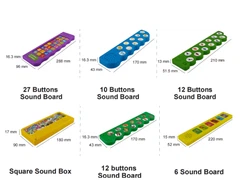
| Sound Module | Plastic Membrane with Sensors | Reliable triggering, customizable | Must be interference-free |
| Batteries | Alkaline or Lithium | Long-lasting power | Require safe, accessible compartments |
| Speakers | Miniature Embedded Units | Clear audio output | Need large enough sound holes |
| Buttons | Silicone or Plastic Covers | Soft, easy to press | Size varies by age group |
This table highlights how each choice impacts the book's functionality and user experience, guiding decisions based on budget and target audience.
The Production Process
Once the design is finalized, production brings the vision to life through a series of meticulous steps. This phase often involves overseas manufacturing for efficiency, but close oversight is key to quality. From printing to assembly, each step builds on the last, culminating in a finished product ready for market.
Prototyping and Verification
Prototyping begins with creating a verification module to test sound placements and functionality. This involves producing a sample where buttons are positioned to avoid interference, ensuring only the intended sound plays. Iterate based on feedback, adjusting audio levels and button sensitivity. Physical mockups allow for handling tests, confirming durability and ergonomics. Digital simulations can precede this, but hands-on prototypes reveal real-world issues like battery life or sound clarity. This stage prevents mass production errors, saving time and resources while refining the book to perfection.
Manufacturing Steps
Manufacturing typically occurs in specialized facilities, starting with printing high-resolution pages using CMYK processes for accurate colors. Laminate and cut pages, then integrate sound modules by adhering them to designated areas. Assemble the book through binding, often using glue or staples for board books. Install electronics, program sounds, and seal compartments. Bulk production follows approval of samples, with quality checks at each station to maintain consistency. Sea freight is common for shipping due to battery restrictions, requiring planning for timelines.
Quality Control and Safety Testing
Quality control encompasses rigorous inspections for defects, such as misaligned buttons or faulty audio. Safety testing is paramount, including acoustic evaluations to ensure sounds don't exceed safe decibel levels, as per regulations in markets like the US or EU. Check for choke hazards, chemical safety in materials, and overall robustness. Third-party certifications add credibility, reassuring buyers. This thorough process not only complies with laws but also builds trust, ensuring the book is a safe, enjoyable tool for children's growth.
Marketing and Distribution
With production complete, marketing introduces the book to its audience through targeted strategies. Highlight unique features like interactive sounds in online listings and social media campaigns. Partner with retailers specializing in children's products or use platforms like Amazon for a wide reach. Distribution involves logistics planning, from warehousing to fulfillment, ensuring timely delivery. Positive reviews from early users can boost visibility, turning a well-produced sound book into a bestseller.
Conclusion
Designing and producing an engaging children's sound book is a rewarding endeavor that blends artistry with engineering. By following these steps-from conceptualization to quality control-you create a product that delights and educates. Remember, the goal is to spark joy and learning in young readers, fostering a lifelong love for books. With careful execution, your sound book could become a cherished staple in homes worldwide.