
How to Choose a Custom Children's Toy Supplier?
Published on: April 12, 2025 |
In today's highly competitive toy market, selecting the right custom children's toy supplier is a critical step toward your business's success. Whether you want to create an exclusive range of Kid toys, develop engaging Kid educational toys, integrate interactive language features in kid talking flash cards, or offer the captivating experience of Children's interactive plush toys, partnering with a supplier that meets your specific requirements is essential. This article will provide an in-depth analysis of the key factors to consider when choosing a custom children's toy supplier, helping your business stand out in the marketplace.
1. Define Your Business Needs and Target Market
Analyze Your Product Positioning and Target Audience
Before choosing a supplier, it is crucial to have a clear understanding of your product positioning and overall market strategy. Determining whether your products lean more toward entertainment or education can guide you in selecting the right partner. For example:
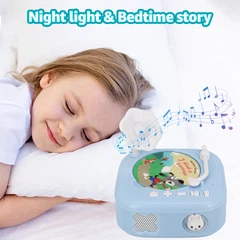
- Kid toys: Focuses on the combination of fun and safety, suitable for the mass market.
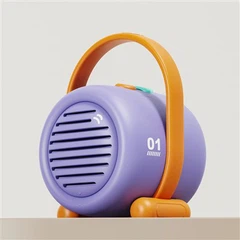
- Kid Projector toys: Emphasizes educational value, offering tools for early learning.

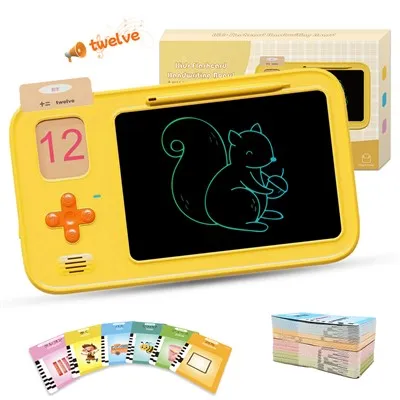
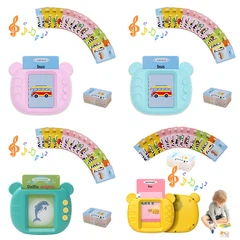
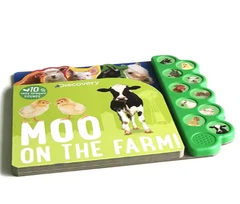
- kid talking flash cards: Designed for language development with integrated voice and interactive features.

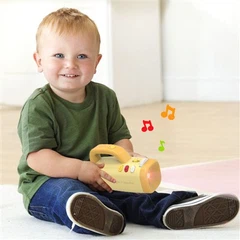
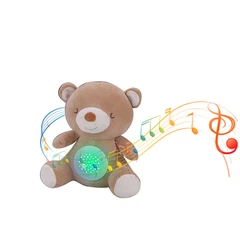
- Children's interactive plush toys: Highlighting interactive and sensory experiences, ideal for consumers seeking hands-on play.

Conduct a Competitive Market Analysis
Review successful case studies and market feedback from industry competitors to understand the service models and custom processes used by their suppliers. This research can provide valuable insights and help you pinpoint the areas where your products can excel in terms of innovation and design.
2. Evaluate Supplier Competence and Credentials
Production Capacity and R&D Capability
A quality supplier should possess advanced production facilities and robust research and development capabilities to customize diverse toy products according to your requirements.
Check for past R&D projects, particularly within the Kid educational toys segment and other customized product lines.
Assess if the supplier is capable of manufacturing high-tech products such as kid talking flash cards and Children's interactive plush toys.
Quality Control and Certification
Product safety and quality are of utmost importance when it comes to children's toys. Ensure that the supplier holds relevant international or domestic certifications (e.g., ISO9001, CE, ROHS, FCC, CPC, EN71, EN62115) and follows strict quality control procedures.
Verify their quality inspection processes to make sure every product undergoes rigorous safety testing.
Rely on customer feedback and market data to gauge the supplier's overall product quality and after-sales service.

Customization Services and Flexibility
Selecting a supplier that can provide efficient, flexible customization is key.
Determine whether the supplier can adapt product design, color, and functionality according to your brand identity and specific requirements.
Evaluate the supplier's ability to respond promptly to changes in design or production demands, such as providing expert suggestions on details for Kid toys or Kid educational toys.
3. Consider Supply Chain Stability and Partnership Background
Supply Chain Reliability
An efficient and stable supply chain ensures on-time product delivery and minimizes risks related to inventory and logistics.
Understand the supplier's supply chain management system and its control over raw material procurement.
Assess the supplier's ability to handle market fluctuations and maintain steady production through effective contingency plans.
Customer Case Studies and Reputation
Partnering with a supplier that has an excellent market reputation can significantly influence your business's long-term success.
Look into whether the supplier has established long-term partnerships with well-known brands, especially in the Children's interactive plush toys segment.
Gather feedback from other businesses regarding the supplier's customization services and product quality to ensure reliable performance.
Cost and Service Support
Custom products often involve design, development, production, and after-sales support. The supplier's overall service level is as important as cost.
Strive to balance cost with comprehensive service support to ensure that your products remain competitive while receiving timely assistance and technical support from the supplier.
4. Deciding on the Final Partnership
On-Site Visits and Direct Communication: After narrowing down your options, consider arranging a visit to the supplier's facilities. This will give you a firsthand look at their production environment, technological capabilities, and support team.
Trial Production and Sample Evaluation: Before finalizing the partnership, request trial samples to assess the supplier's customization abilities and product quality.
Draft a Detailed Agreement: Develop a comprehensive contract that clearly defines product standards, delivery schedules, quality inspections, and after-sales support to protect the interests of both parties.
5. Conclusion
Choosing the right custom children's toy supplier is not only essential for product innovation and brand enhancement but also plays a pivotal role in the long-term success in a fiercely competitive market. By clearly defining your business needs, evaluating a supplier's production and R&D capabilities, assessing supply chain stability, and considering customer feedback, you can select the most suitable partner to build a competitive product line including Kid toys, Kid educational toys, kid talking flash cards, and Children's interactive plush toys. With a strategic approach and thorough evaluation, your business can forge a successful partnership and set the stage for future growth and innovation.