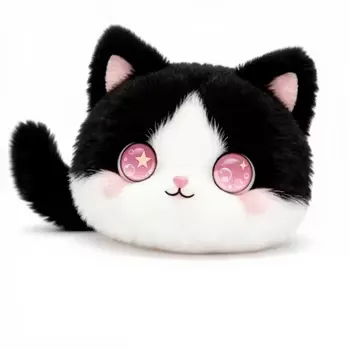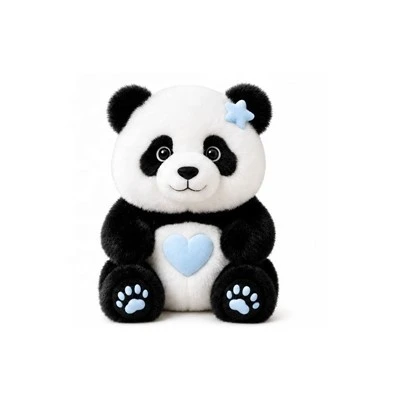
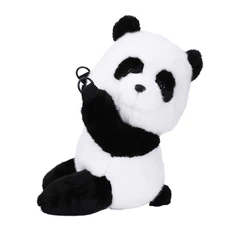
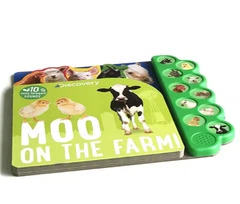
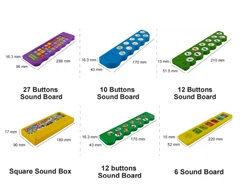
A complete plush toy manufacturing process turns fabric, thread, and filling into a character people want to hold. This guide walks through each stage with reserved image slots you can fill with your own product photos, detail shots, and process diagrams.

Process flow diagram: procurement to shipment.
01 / Manufacturing workflow
Understanding the Plush Toy Manufacturing Process
Every soft, huggable plush toy begins as a drawing and ends as a finished product on a shelf or in a customer's hands. Between those two points sits a structured plush toy manufacturing process that turns fabric, thread, and filling into a character people want to hold. Understanding that workflow helps buyers, brand owners, and procurement teams ask better questions and avoid costly surprises during production.
Custom plush toy production is not a single action but a sequence of specialized steps, each with its own tools, quality checks, and timing. When one stage is rushed or skipped, the final product suffers: a seam may open, the face may look uneven, or the filling may settle in the wrong place. A well-managed workflow keeps the toy consistent across hundreds or thousands of units.
The flow shown here reflects the sequence our factory follows for standard soft toy projects, and it can be adjusted when a design includes electronics, custom sound modules, or special materials. Each step exists for a reason: to control shape, surface finish, color, safety, and durability. The sections below walk through the route with reserved image slots you can fill with your own photos and diagrams.
02 / Sourcing & material
Material Sourcing, Matching and Fabric Inspection
The first stage is material sourcing and procurement, which means selecting and purchasing the raw materials needed for the toy. These typically include plush fabric, filler stuffing, plastic eyes and noses, embroidery thread, sewing thread, and any additional components such as sound boxes, sensors, or battery housings. Fabric choice has a major influence on the final look and feel.
Short-pile velboa gives a smooth, neat surface, while long-pile faux fur creates a fluffy, premium texture. Minky is popular for baby toys because it is soft and holds color well. The filling is usually polyester fiberfill, though memory foam or weighted beads may be used for sensory or therapeutic designs. For branded products, procurement also includes checking supplier certificates and material test reports.
Once materials arrive, the factory performs material matching and fabric inspection. Workers check colors, textures, and weights against the approved sample and look for stains, holes, or uneven pile. Fabrics and fillings should meet the safety standards of the target market, such as EN 71 in Europe, ASTM F963 in the United States, or GB 6675 in China. Problems caught here are far cheaper to fix than after cutting.
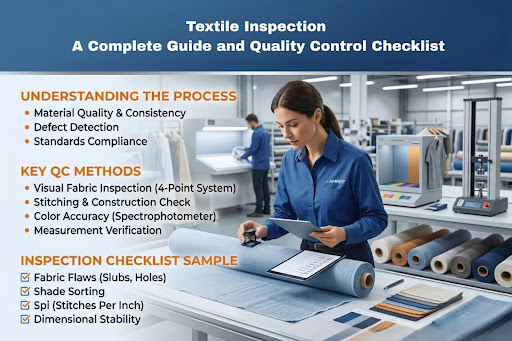
Fabric and filling swatches; material test reports.

Cut fabric pieces and stitched facial features.
03 / Cutting & embroidery
Laser Cutting and Computerized Embroidery
Laser cutting is used to cut fabric pieces with high accuracy. Compared with manual cutting, it produces cleaner edges and more consistent shapes, which is especially important for complex parts such as ears, paws, tails, and detailed facial pieces that must match from toy to toy. Multiple layers of fabric can be cut at once, which speeds up production while maintaining precision.
Because the laser seals the edge as it cuts, fraying is reduced on synthetic plush fabrics. For custom plush toys, laser cutting also makes sample runs and small batches economical, because pattern changes can be made digitally without remaking expensive physical dies. This gives buyers flexibility to refine a shape before committing to a large order.
Computerized embroidery adds eyes, mouths, eyebrows, paw pads, logos, and decorative details directly onto the fabric using automated machines, giving a cleaner, more durable result than hand stitching for repeated details. The embroidery file is programmed from the customer's artwork, and thread colors are matched to the approved sample. A well-set program keeps facial expressions consistent, which is critical for character recognition.
04 / Printing & sewing
Heat Transfer Printing and Industrial Sewing
Heat transfer printing is used when a design includes detailed graphics, patterns, or full-color artwork that embroidery cannot achieve alone, such as character clothing, branded labels, or patterned fabric. Heat transfer applies ink to a special film, which is then pressed onto the fabric under heat. Screen printing may be used for simpler, larger areas.
Both methods require testing to confirm colors remain vivid after stretching and handling, and the ink must meet toy safety requirements. Placement is checked carefully, because a misplaced print can make a character look off-model or a logo look crooked. Printing is done before sewing, while pieces are still flat and easy to position. Industrial sewing then joins the cut pieces into a three-dimensional shape.
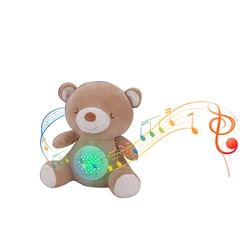
Machines set stitch density and thread tension according to the material and the stress the seam will bear, leaving an opening for turning and stuffing. Reinforced seams are used at stress points such as limb joints and the base of the neck. At this stage, electronic components such as sound modules or LED units are inserted into their pockets, with wiring positioned so it does not bunch, break, or create a lump.
Printed artwork and sewn shell before stuffing.
Stuffed shell and assembled finished toy.
05 / Handcraft & assembly
Handcraft, Manual Assembly and Final Product
After machine sewing, handcraft and manual assembly begins. Workers turn the sewn shells right-side out, stuff them to the correct density, and close the remaining openings with hidden stitches. Handwork also attaches small parts and shapes features such as noses, ears, and paws. Stuffing density affects both appearance and feel.
Too little filling makes the toy limp and wrinkled; too much can strain the seams and make the toy hard to squeeze. Experienced workers judge the right amount by feel and by comparing each unit to the approved sample. Ribbons, tags, bows, or clothing pieces are added by hand at this stage, and because the work depends heavily on skill, training and supervision keep hundreds of units visually identical.
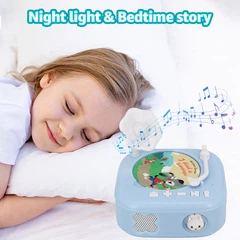
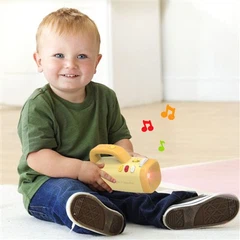
Final product assembly brings all parts together and checks balance and proportion. For interactive plush toys, this stage integrates the sound module, speaker, sensor, and battery pack, with electronics securely housed so they cannot be removed by a child. Any unit that does not match the approved shape, color, or function is set aside for rework or rejection before it reaches the next stage.
06 / Inspection & packaging
Quality Inspection and Packaging
Quality inspection happens before packaging and again according to the customer's required level. Inspectors check for stitching defects, foreign objects, incorrect colors, loose parts, uneven filling, and functional failures, and verify labeling, age grading, and warning symbols. For export orders, third-party AQL sampling is commonly used.
AQL, or Acceptable Quality Limit, defines how many defects are acceptable in a given sample size, giving both buyer and factory a clear, measurable standard. Safety testing may include pull tests for small parts, flammability tests, and chemical tests for heavy metals or phthalates. Keeping records of these tests supports customs clearance and retailer compliance, and protects both sides if a dispute arises.
Packaging protects the toy during transport and presents it to the customer through individual polybags, gift boxes, hang tags, or printed backing cards, with legally required warnings and material content. Before sealing, a final visual check confirms the correct toy, tag, and insert are in each package. Some buyers require eco-friendly packaging such as recycled cardboard, which must be planned during procurement.

AQL inspection and retail-ready packaging.

Cartons packed for export and shipped to port.
07 / Shipping & brand value
Shipping, Delivery and Why the Process Matters
The final stage is shipping and delivery. Finished and packaged toys are packed into cartons, loaded onto pallets or into containers, and transported to the destination port or warehouse with commercial invoices, packing lists, and any certificates needed for customs. Sea freight is common for large orders because of lower cost, while air freight suits urgent or sample shipments.
Providing the correct delivery address, customs broker details, and required documentation early reduces the chance of goods being held at the border. Good communication during shipping keeps both sides aligned on lead time and landed cost. Knowing how plush toys are made also helps buyers make better decisions and avoid costly surprises when they negotiate a new project.
A design with many small pieces needs more laser cutting and hand assembly; a design with custom printing needs color proofs; a design with electronics needs safety certification and proper housing. Each choice has implications for cost, lead time, and minimum order quantity. As a custom plush toy manufacturer, we guide customers through these choices during the sample and quotation stages.
Bringing the Process Together for Your Project
The eleven-stage route from material sourcing to shipping and delivery is what turns a concept into a consistent, safe, and appealing plush toy. Each step, from laser cutting and computerized embroidery to quality inspection and packaging, protects a specific part of the final result. For buyers, the practical takeaway is to agree on materials, samples, and inspection levels early, then let the workflow carry the order to a repeatable standard. If you are planning a custom or electronic plush project, share your brief and we will map the right production plan with you.
Frequently Asked Questions
Q: How long does it usually take to produce a custom plush toy?
A: Sample development typically takes 7 to 14 days, depending on complexity. Mass production usually requires 30 to 45 days after sample approval, plus shipping time. Projects with electronics or special certifications may take longer.
Q: What is the minimum order quantity for plush toys?
A: Minimum order quantities vary by design. For standard custom plush toys, MOQs often start around 1,000 pieces per design. Lower quantities may be possible for simpler designs or promotional projects, but unit costs will be higher.
Q: Can you add sound, light, or other electronic features to a plush toy?
A: Yes. We integrate sound modules, LED lights, motion sensors, and recordable chips into plush toys. These features are added during the sewing and final assembly stages, with full safety testing for child use.
Q: What safety standards do plush toys need to meet?
A: Common standards include EN 71 for Europe, ASTM F963 for the United States, and GB 6675 for China. Specific retailers may have additional requirements. We help identify the correct tests based on your target market.
Q: What files do I need to provide to start production?
A: A design drawing or reference photo, dimensions, material preferences, Pantone colors, and any logo or artwork files are helpful. For electronic toys, a functional description is also needed. We can develop samples from sketches or detailed specifications.
Q: How do you control quality during production?
A: We inspect materials before cutting, check embroidery and printing placement, monitor sewing and stuffing consistency, perform functional tests on electronics, and conduct final inspection before packaging. Third-party AQL inspections can also be arranged.