When choosing toys for your children, do you only focus on educational function and fun, but overlook the most fundamental aspect-safety? Behind a small toy lies a wealth of knowledge in materials science, chemistry, physics, and child psychology. This article will take you deep into the science behind toy safety, helping you become your child's most reliable "Toy Safety Officer".
一, The First Line of Defense: The Science of Material Safety
Toys are "companions" that children have close contact with and may even put in their mouths to chew. Therefore, material is the first line of defense for safety.
1. Plastic Toys: Recognize Their "ID Card"
Not all plastics are suitable for toys. Safe toys typically use the following materials:
ABS Material: High strength, impact resistance, and heat resistance, it is the preferred material for high-quality building blocks (like LEGO), extremely safe.
PP (Polypropylene) & PE (Polyethylene): Commonly found in teethers, rattles, etc. Food-grade PP and PE are non-toxic, odorless, and corrosion-resistant, making them safe choices.
Food-Grade Silicone: Offers excellent softness, high temperature resistance (can be sterilized), and chemical inertness, making it an ideal material for pacifiers, soft building blocks, and teethers.
Pitfall Avoidance Guide: Beware of "No-Name" Plastics
Inferior plastics might use PVC (Polyvinyl Chloride), which often adds Phthalates (plasticizers) to increase flexibility. Long-term exposure may interfere with a child's endocrine system. When purchasing, be sure to smell the toy; if there is a pungent "plastic smell," refuse it - firmly refuse).
2. Wooden Toys: The Coating is More Important Than the Wood
High-quality wooden toys should use FSC-certified sustainable wood, be sanded smooth without splinters. But the core of their safety lies in the coating.
Must choose water-based paint. It uses water as a diluent, is non-toxic, odorless, and has very low heavy metal content.
Avoid oil-based paints containing heavy metals like lead and mercury to prevent harmful substance ingestion through chewing.
3. Plush Toys: Filling and Flammability
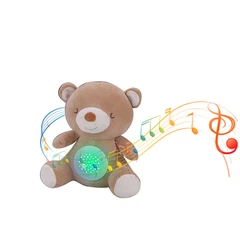
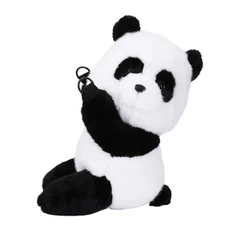
High-quality plush toys should be filled with safe materials like PP cotton, clean and mold-free. The outer fabric should not shed easily or fade. Furthermore, standards strictly require flame retardancy for plush toys to prevent rapid burning in case of fire.
二, The Second Line of Defense: The Wisdom and Consideration in Design
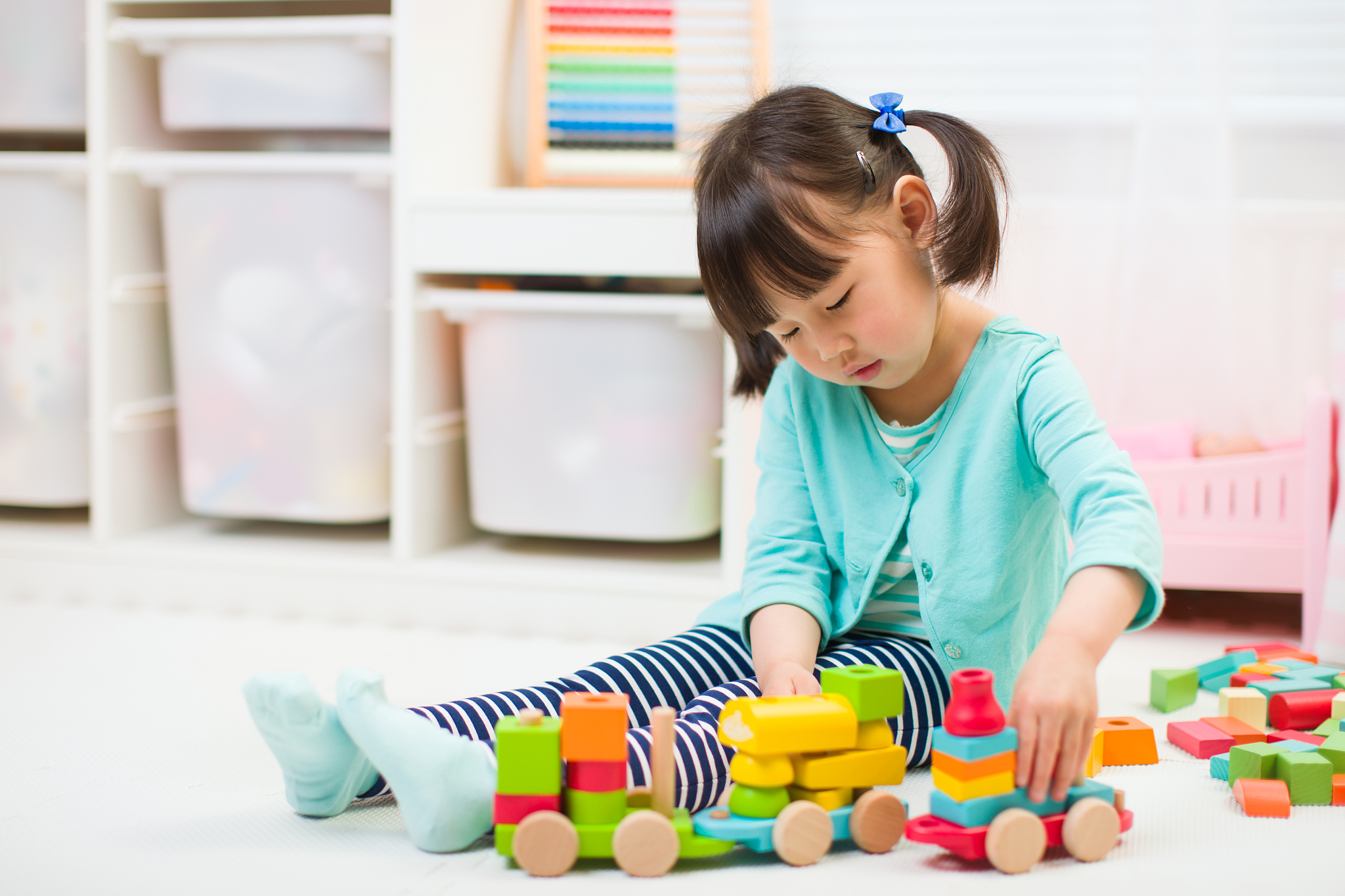
Excellent design not only provides fun but also proactively avoids risks.
1. Physical and Mechanical Properties: Preventing Physical Harm
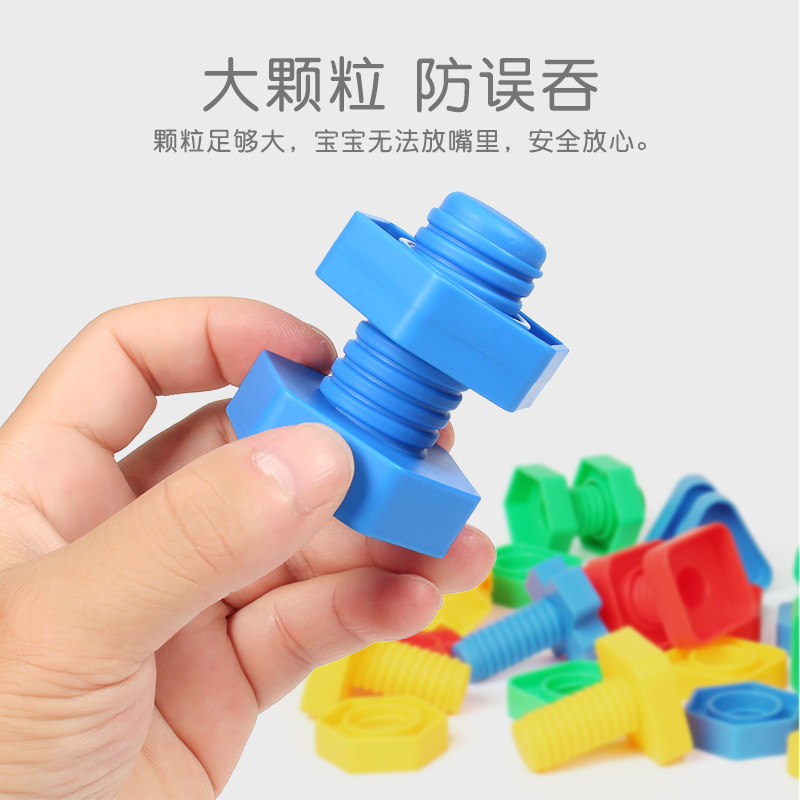
Small Parts Warning : This is one of the most important safety designs. According to standards, toys not suitable for children under 36 months that contain detachable small parts must have a clear warning symbol ⚠️ on the packaging to prevent swallowing and choking in infants and young children.
Sharp Edges and Points: Edges and points of toys must be rounded or bluntly processed, free of burrs and sharp edges.
Holes and Gaps: Design must avoid holes, gaps, or mechanisms that could pinch children's fingers.
Cord Length: Cords on pull toys must not exceed 22 cm in length to prevent entanglement around the neck causing suffocation.
2. Chemical Properties: Invisible Protection
Beyond the material itself, subsequent processes like dyeing and painting must meet strict chemical standards.
Restrictions on Migration of Eight Heavy Metals: International standards (e.g., EN71-3) impose extremely strict limits on the migration of antimony, arsenic, barium, cadmium, chromium, lead, mercury, and selenium from toy materials, preventing ingestion by children through licking and sucking.
三, The Ultimate Toy Safety Shopping and Usage Guide for Parents
Understanding the science, how to apply it in practice? Please keep this checklist:
✅ When Shopping: "Look, Smell, Touch, Test"
Look for Marks: Check the packaging for the national "CCC" certification mark (applicable to six categories including plastic and doll toys), age warning labels, manufacturer information, and certificate of conformity.
Smell the Toy: Reject any toy with a pungent or strange artificial smelldecisively abandon).
Touch the Surface: Feel the toy's surface for burrs, sharp edges, and check if parts are secure.
Test the Size: For young children's toys, use a "small parts tester" or "choke tube" (simulating a child's throat) to measure; any small part that fits entirely inside is dangerous.
✅ Before Use: "Wash, Check, Discard"
Clean Thoroughly: Clean, disinfect, or air out new toys according to their material after bringing them home.
Inspect Carefully: After unpacking, carefully check the toy for damage or loose parts, and immediately discard all plastic packaging bags and foam to prevent children from putting them over their heads causing suffocation.
Regular Check-ups: Regularly inspect your child's toys for looseness, damage, or signs of generating small parts; repair or discard them promptly.

✅ Recognize Safety Certifications:
When purchasing, prioritize products bearing these certification marks:
China Compulsory Certification CCC Certifications
European Conformity CE Certifications
American Society for Testing and Materials Standard (ASTM F963 - ASTM F963 )
(Conclusion)
Toys are a window for children to explore the world, and safety should be the strongest frame of this window. From material choices at the molecular level to design considerations at the millimeter level, countless scientific wisdom and standard considerations are involved. As parents, more knowledge and care can build a solid safety barrier for your children, allowing them to grow up happily and carefree.
Summary of Core Information Sources:
China Compulsory Product Certification (CCC Certification)
Source: Official website of the Certification and Accreditation Administration of the People's Republic of China (CNCA).
Relevant Documents: Compulsory Product Certification Catalog and Implementation Rules for Compulsory Certification of Toy Safety.
Explanation: Specifies that six categories of products-plastic toys, doll toys, electric toys, metal toys, projectile toys, and children's vehicles-must undergo CCC certification before they can be sold.
China Toy Safety Technical规范 (GB 6675 Series Standards)
Source: Standardization Administration of China (SAC).
Specific Standards:
GB 6675.1-2014 *Toy Safety - Part 1: Basic规范*
GB 6675.2-2014 *Toy Safety - Part 2: Mechanical and Physical Properties*
GB 6675.3-2014 *Toy Safety - Part 3: Flammability*
GB 6675.4-2014 *Toy Safety - Part 4: Migration of Certain Elements*
Explanation: This is the core and most fundamental national standard for toy safety in China. All safety requirements mentioned in the article, such as those concerning "small parts," "sharp edges," "cord length," and "heavy metal migration," are ultimately based on this standard.
European Union Toy Safety Directive (EN 71 Series Standards)
Source: European Committee for Standardization (CEN).
Specific Standards:
EN 71-1: Physical and Mechanical Properties
EN 71-2: Flammability
EN 71-3: Migration of Certain Elements (i.e., the limit requirements for eight heavy metals).
Explanation: The "international standard for restrictions on the migration of eight heavy metals" mentioned in the article primarily refers to EN 71-3, which is also a globally recognized standard for toy chemical safety.
U.S. Toy Safety Standard (ASTM F963)
Source: ASTM International.
Specific Standard: ASTM F963-17 Standard Consumer Safety Specification for Toy Safety.
Explanation: This is the mandatory toy safety standard adopted by the U.S. Consumer Product Safety Commission (CPSC). Its content is highly consistent with and complementary to the core safety items of GB 6675 and EN 71.