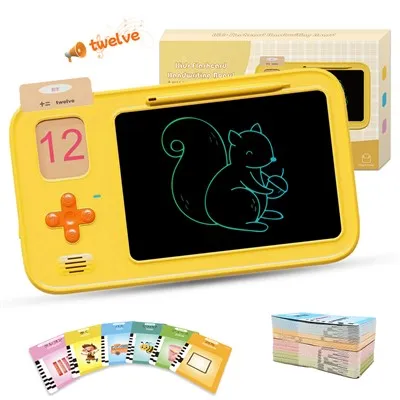
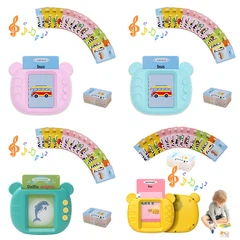
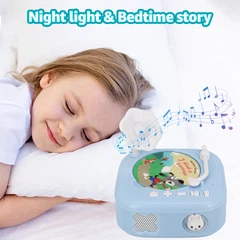
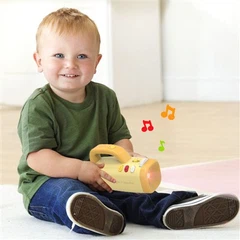
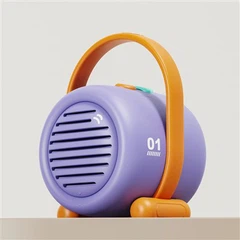
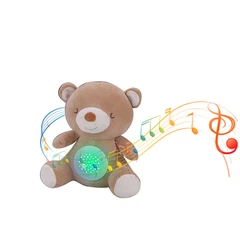
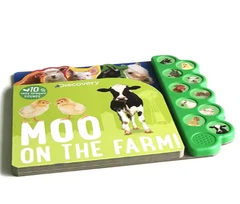
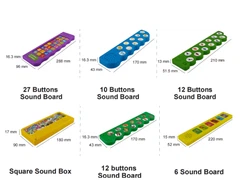
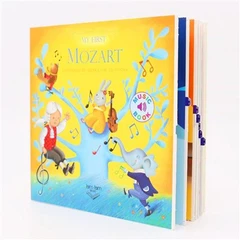

In the fast-evolving world of children's toys, one tiny piece of technology is making a massive impact. As parents and educators seek out gadgets that blend fun with learning, the ESP32 chip has emerged as a game-changer. Developed by Espressif, a Chinese tech firm established in 2008, this versatile microcontroller is at the heart of many innovative playthings hitting the shelves in 2025. From interactive robots that teach coding to augmented reality puzzles that bring stories to life, the ESP32 enables toys to be smarter, more responsive, and incredibly engaging. But what exactly makes this chip so essential, and how is it transforming the toy industry? This article dives deep into the capabilities of the ESP32, exploring its technical prowess, the reasons it's dominating the market, and how companies like XDT are leveraging it to create educational tools that captivate young minds.
Understanding the ESP32: A Versatile Powerhouse for Modern Toys
At its core, the ESP32 isn't just a single component; it's an entire family of microcontrollers designed to bring wireless connectivity and intelligent features to everyday devices. Think of it as the brain that allows toys to connect seamlessly to Wi-Fi, communicate via Bluetooth, and even handle basic artificial intelligence tasks without relying on bulky external computers. The story of the ESP32 begins with its predecessor, the ESP8266, which debuted in 2014 and revolutionized affordable IoT devices by making Wi-Fi accessible in compact, low-cost modules. Back then, enthusiasts and developers around the globe embraced the ESP-01, a $5 wonder that enabled basic toys to go online, despite initial documentation being available only in Chinese-community volunteers stepped in to translate and expand its reach.
Fast forward to today, and the ESP32 series has evolved into a lineup of advanced chips like the ESP32-S3, ESP32-C3, and ESP32-P4. These upgrades boast faster processing speeds, enhanced power efficiency, and a suite of features tailored for the demands of 2025's smart toys. Espressif's mission has always been to democratize AI and IoT technologies, embedding them into objects we interact with daily. The ESP32 delivers on this by offering models with dual-core processors for handling complex tasks, RISC-V architecture for optimized performance, and integrated wireless capabilities that ensure toys respond in real-time. For children, this translates to play experiences that feel magical-devices that light up, move, speak, and learn alongside them, all while being safe and energy-efficient.
What sets the ESP32 apart is its adaptability. Unlike older chips that required separate modules for different functions, the ESP32 integrates everything into a compact package. This means toy designers can incorporate features like voice recognition, image processing, and sensor integration without adding extra weight or complexity. In an era where kids expect instant gratification from their gadgets, the ESP32 ensures that toys don't just function-they thrive in interactive environments, fostering creativity and curiosity.


Why the ESP32 Is Taking Over the 2025 Toy Landscape
The toy market in 2025 is all about immersion and education, moving far beyond simple button-pressing mechanics. Toys now need to interact intelligently with users, adapt to their inputs, and provide lasting value. This is where the ESP32 shines, offering a combination of speed, versatility, and efficiency that makes it the preferred choice for manufacturers worldwide. One of the standout advantages is its ability to process AI tasks locally, eliminating the need for constant internet connectivity and reducing frustrating delays that plagued earlier smart toys.
Imagine a child commanding a robot to "dance" or asking an interactive storybook about dinosaurs-the response comes in under half a second, thanks to the ESP32-S3's 240MHz dual-core processor and built-in AI acceleration. In the past, such interactions required sending data to remote cloud servers, leading to lags of two to three seconds, which could quickly bore young users. By handling computations on-device, the ESP32 creates a seamless experience, making toys feel like true companions. This local processing isn't just about speed; it's also educational. Coding robots powered by ESP32 allow kids to experiment with programming, seeing immediate results as their commands make the toy move or react. Augmented reality toys, meanwhile, use the chip's capabilities to scan objects and overlay digital content, turning playtime into a lesson in science or history.
The Magic of Multi-Modal Interactions
Beyond raw processing power, the ESP32 excels in connectivity, boasting over 40 programmable interfaces that enable a wide array of features. This flexibility allows toys to incorporate cameras for object recognition, touch sensors for responsive feedback, LED lights for visual effects, motors for physical movement, speakers for audio output, and even advanced communication protocols suitable for more sophisticated applications. The result? Toys that engage multiple senses simultaneously, creating richer play experiences.
For instance, consider a plush animal that not only talks but also lights up and vibrates in response to a child's touch. Or picture a puzzle that connects to a smartphone app, providing real-time hints based on the player's progress. Companies like XDT are capitalizing on this by developing AR flashcards where the ESP32 processes images captured by a tablet, instantly displaying 3D animations and educational facts about topics like animals or space. Another example is a programmable robot that uses the chip's pulse-width modulation (PWM) outputs to control limbs, allowing kids to code custom movements via a Bluetooth-linked app. These multi-modal toys don't just entertain; they encourage exploration and problem-solving, aligning perfectly with modern educational goals.
Battery Life That Keeps the Fun Going
No parent wants to deal with a toy that drains batteries after a short play session, and the ESP32 addresses this head-on with its ultra-low power consumption. In standby mode, the chip sips energy at just 5-6 microamps, enabling devices like stuffed animals to last up to six months on a single charge or AA batteries to power interactive gadgets for 7-10 days of active use. When activated by a voice command or physical interaction, it wakes up instantaneously, balancing efficiency with responsiveness.
This feature is crucial for battery-dependent toys, ensuring uninterrupted fun and reducing frustration for both kids and adults. In 2025, as sustainability becomes a bigger concern, the ESP32's energy-saving modes also appeal to eco-conscious consumers, minimizing electronic waste from frequent battery replacements. Overall, these attributes make the ESP32 not just a technical choice but a practical one for creating durable, user-friendly toys.


The Appeal of ESP32 for Toy Manufacturers
While the benefits for end-users are clear, the ESP32's popularity stems equally from its advantages for toy creators. Manufacturers face pressures to produce high-quality, innovative products quickly and affordably, and the ESP32 streamlines this process in several key ways. First and foremost, its all-in-one design reduces costs by integrating Wi-Fi, Bluetooth, processing, and memory into a single, tiny chip-some models measure just 7mm by 7mm, ideal for embedding in compact toys like plushies or handheld devices.
Previously, building a smart toy involved sourcing multiple components, which inflated expenses and complicated assembly. By consolidating these elements, the ESP32 can cut production costs by up to 30%, allowing companies to allocate resources toward enhancing educational content or improving build quality. For a firm like XDT, this means delivering premium features without premium pricing, making advanced toys accessible to a broader audience.
Accelerating Development and Innovation
Speed to market is another critical factor in the competitive toy industry, where trends can shift rapidly. The ESP32 supports this with a robust ecosystem of tools and resources. Espressif provides free development kits, sample code, and compatibility with AI frameworks like TensorFlow Lite, enabling rapid prototyping. The chip's integration with beginner-friendly platforms like Arduino means even novice developers can program it in a matter of hours. On GitHub alone, there are over 500 open-source projects dedicated to ESP32-based toys, from simple LED controllers to full-fledged voice assistants, providing a wealth of ready-made solutions.
This community-driven support allows manufacturers to iterate quickly-XDT, for example, can go from concept to finished product in just eight weeks, half the typical industry timeline. Such agility ensures that toys align with current educational trends, like STEM-focused play, and reach consumers while demand is high.
Prioritizing Security in a Connected World
In 2025, data privacy is paramount, especially for children's products governed by regulations like COPPA in the United States and equivalent laws in Europe. Parents are increasingly vigilant about protecting their kids' information from breaches. The ESP32 rises to this challenge with hardware-level security features, including AES and RSA encryption algorithms that safeguard data during storage and transmission. Crucially, by enabling local AI processing, the chip minimizes the need to send sensitive information-like voice recordings-to external servers, reducing vulnerability points.
This built-in protection not only complies with global standards but also builds trust with consumers. Toy makers can market their products as secure, giving them a competitive edge in a market where safety concerns can make or break sales.
XDT's Innovative Use of ESP32 in Educational Toys
Leading the charge in this space is XDT, a company committed to merging entertainment with education through ESP32-powered devices targeted at 13- to 15-year-olds. Their lineup demonstrates how the chip's capabilities can be harnessed to create tools that inspire learning while keeping play engaging.
Take XDT's coding robots: These sturdy, compact devices utilize the ESP32-S3's dual-core processor to execute user-programmed commands, teaching concepts like loops and conditionals as kids instruct the robot to navigate obstacles or perform tasks. Bluetooth connectivity to a companion app provides instant feedback, turning abstract coding into tangible results.
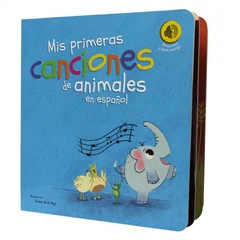
Then there are the AR educational cards, where the ESP32 handles image recognition to transform flat illustrations into interactive 3D experiences. A child scans a card about chemistry, and the toy displays virtual models of molecules or simulated experiments, making complex subjects approachable and fun.
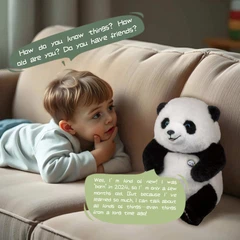
XDT's smart storybooks further showcase the chip's voice recognition prowess. Kids can query characters mid-story, receiving responses that enhance comprehension and encourage critical thinking. With the ESP32's reliable battery life and robust construction, these toys withstand enthusiastic use, ensuring long-term value.
Looking Ahead: The Future of AI Toys with ESP32
As we move deeper into 2025, the ESP32 continues to drive innovation in the toy sector, enabling creations that are not only technologically advanced but also thoughtfully designed for young users. Companies like XDT are at the forefront, using this chip to bridge play and education in ways that prepare kids for a digital future. Whether you're a parent seeking enriching toys, a retailer stocking the latest trends, or an educator incorporating tech into learning, the ESP32-powered ecosystem offers endless possibilities.
For those interested in exploring more, reaching out to innovators like XDT can open doors to customized solutions. Their commitment to quality, safety, and fun underscores why the ESP32 isn't just powering toys-it's shaping the next generation of playful learning. In a world where technology and imagination intersect, this chip ensures that the coolest AI toys of 2025 are as educational as they are entertaining.