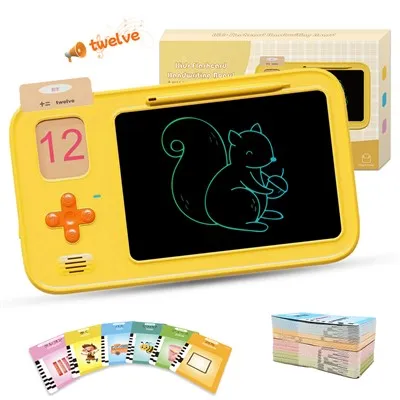
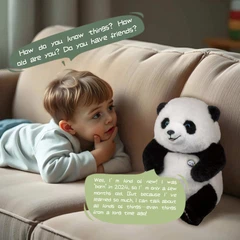
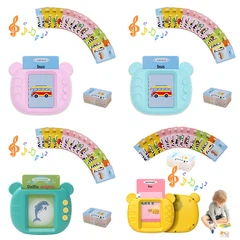
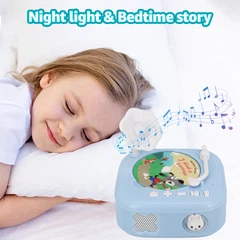
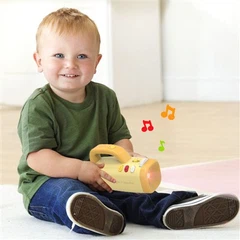

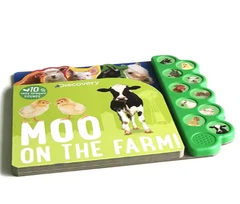


Parents today want more than just toys that keep kids occupied. They're looking for playthings that actually help children learn, grow, and develop real skills while still feeling like fun. As we move through 2026, the educational toy industry stands at an exciting crossroads where artificial intelligence meets traditional play. What was once a simple market of blocks, puzzles, and storybooks has evolved into a dynamic sector blending smart technology with hands-on learning. This shift isn't just a passing trend-it reflects how families, educators, and manufacturers are rethinking early childhood development in a digital world.
The numbers tell a compelling story. The global educational toys market is on track to hit around $12.4 billion in 2026, growing at a steady compound annual growth rate of about 9.2 percent through the early 2030s. Within that, AI-powered toys represent one of the fastest-expanding segments, with projections pushing the category toward $48 billion this year alone. Growth looks especially strong in the Asia-Pacific region, where China and neighboring markets are advancing at a robust 18.7 percent CAGR, compared to more moderate but still healthy rates in North America and Europe.
Several factors are driving this momentum. Millennial and Gen Z parents, many of whom grew up with technology themselves, show a clear willingness to invest more in toys that deliver genuine educational value. In China, for instance, a significant portion of parents say they'd pay 20 to 30 percent more for AI-enhanced options. On the policy side, governments are stepping up too. Initiatives like China's push for stronger science education in schools and substantial U.S. federal funding for STEM programs-totaling billions in recent years-have created fertile ground for smarter toys. At the same time, the dramatic drop in AI development costs, particularly for language models, has made advanced features affordable enough for everyday price points that families can actually consider.
The Rise of Personalized Learning Through AI
One of the biggest changes happening right now centers on how AI makes learning feel custom-built for each child. Traditional toys often follow a one-size-fits-all approach-every kid gets the same story, the same difficulty level, and the same feedback. In 2026, that model is quickly becoming outdated. Modern AI toys use natural language processing, speech recognition, and small on-device models to adapt in real time to a child's pace, interests, and current abilities.
Imagine a toy that listens to how a child speaks, notices where they struggle with numbers or vocabulary, and then gently adjusts the next activity to provide the right amount of challenge without causing frustration. This kind of adaptive learning creates a more engaging experience and can lead to measurable improvements. Real-world pilots have shown gains in early literacy and numeracy skills after consistent use over just a few months. Importantly, many of these systems prioritize offline processing to address the number-one worry for many parents: data privacy and security. With nearly half of families ranking privacy as their top concern when buying smart toys, manufacturers are focusing on solutions that keep sensitive information local and comply with strict regulations like GDPR in Europe or China's rules protecting minors online.
These personalized companions act less like gadgets and more like patient learning partners. They don't replace parents or teachers but instead free up adults to focus on emotional support and real-world interaction while the toy handles repetitive practice or individualized drills in a playful way. The result feels less like "screen time" and more like guided play that respects a child's unique development path.


Why STEM Skills Are Taking Center Stage in Toy Design
STEM education continues to dominate conversations among parents and schools, and the toy industry has responded in a big way. By 2026, STEM-focused toys are expected to make up a large chunk-around 42 percent-of the overall educational toy market. This emphasis makes sense when you consider the broader push toward preparing kids for a future where analytical thinking, problem-solving, and basic tech literacy will be essential.
What sets today's STEM toys apart is how they blend physical interaction with intelligent guidance. Screen-free coding kits, for example, let young children (often starting as early as age four) build structures with blocks or pieces while an AI component watches through computer vision and offers voice feedback. If a sequence doesn't quite work, the toy might suggest a small tweak in an encouraging tone rather than simply saying "wrong." This approach has shown strong results in classroom settings, with some programs reporting noticeably higher engagement compared to purely digital alternatives.
These tools align well with established standards, such as the Next Generation Science Standards in the United States and similar early childhood frameworks elsewhere. The goal isn't to turn toddlers into programmers overnight but to nurture curiosity, logical reasoning, and creativity through play. When kids experiment, make mistakes, and receive immediate, supportive input, they build confidence alongside skills. Manufacturers who can combine durable physical components with reliable AI guidance are finding strong demand from both direct-to-consumer channels and school partnerships.
Sustainability and Ethical Practices Become Must-Haves
Parents in 2026 aren't just asking whether a toy teaches math or reading-they also want to know where and how it was made. Surveys show that a large majority of consumers worldwide are willing to pay extra for eco-friendly options, and this sentiment runs especially deep among younger parents who scrutinize materials, packaging, and labor conditions more closely than previous generations.
Forward-thinking companies have responded by incorporating recycled plastics and fabrics into a high percentage of their lines. Plush toys, for instance, now commonly use 100 percent recycled polyester with safe, plant-based inks and easily washable, removable covers. Certifications like ISO 14001 for environmental management help reassure buyers that claims go beyond marketing slogans. In practice, brands that emphasize these values have seen meaningful increases in repeat orders, particularly from markets in Europe and North America where sustainability expectations run high.
This focus on ethics doesn't stop at materials. It extends to the full supply chain and product lifecycle. Toys designed with longevity in mind-durable enough to last through multiple children or easy to repair-reduce waste and appeal to families trying to consume more thoughtfully. When play, learning, and environmental responsibility come together, the toy becomes more than a product; it reflects the values parents want to pass along.


Building Complete Learning Ecosystems
Standalone toys still have their place, but the most successful educational products in 2026 function as part of a larger ecosystem. A physical toy might connect to a companion app that lets parents track progress, unlock new content, or receive suggestions for extending the activity offline. Monthly updates can refresh stories, games, or challenges so the experience stays fresh without requiring a new purchase.
This omnichannel approach has clear benefits. Products that combine hardware with digital elements tend to see much higher long-term engagement and retention rates. For families, it means one investment delivers ongoing value. For brands, it creates opportunities for deeper relationships through useful insights and community features. Custom solutions developed for specific retailers or educational partners often include libraries of hundreds of additional books or modules that sync seamlessly, driving both app usage and overall sales.
The most effective systems strike a careful balance. They enhance the physical toy rather than pulling children toward excessive screen time. Parental dashboards provide helpful overviews without turning play into constant performance monitoring. When done right, these ecosystems extend the toy's lifespan and strengthen its educational impact by creating continuity between solo play, family time, and structured learning moments.
Finding the Right Balance Between Technology and Human Connection
With all the excitement around AI capabilities, important questions remain about how much technology is appropriate for young children. Critics worry that overly sophisticated toys could reduce opportunities for unstructured play or meaningful face-to-face interaction. Others point out potential risks around data handling or children becoming too attached to artificial companions.
Industry leaders are addressing these concerns by designing tools that support rather than replace human relationships. Some toys include built-in prompts that encourage kids to share what they learned with parents or siblings, turning individual play into family conversations. Others deliberately limit certain functions to offline modes or include clear parental controls and transparency about data use.
The most promising path forward seems to lie in "human-AI collaboration." Technology handles the repetitive or personalized practice elements, while adults remain central for emotional guidance, creativity, and social development. When toys prompt interaction instead of isolating children, they can actually increase quality family time. Real progress will come from continued research, thoughtful design, and ongoing dialogue between developers, educators, parents, and child development experts.


Opportunities Ahead for Manufacturers and Brands
For companies involved in original equipment manufacturing and original design manufacturing (OEM/ODM), 2026 represents a significant window of opportunity. Brands looking to launch or refresh educational lines need partners who can handle everything from custom AI model training and hardware integration to sustainable material sourcing and regulatory compliance across multiple markets.
Success in this space requires more than technical capability. It demands an understanding of how children actually play and learn, combined with the ability to deliver reliable, safe, and affordable products at scale. Those who can offer end-to-end solutions-including content ecosystems and iterative updates-will stand out as valuable collaborators.
The broader industry shift points toward toys that feel both innovative and trustworthy. Parents still want durability, safety, and joy in their children's playthings, but they also expect intelligence and purpose. Manufacturers that deliver on all these fronts while maintaining ethical standards are well-positioned to capture growing demand.
Looking Forward to the Next Chapter of Play and Learning
As 2026 unfolds, the educational toy landscape continues to evolve in promising directions. AI is making personalization more sophisticated, STEM concepts more accessible through play, sustainability a standard expectation, and connected ecosystems a powerful way to extend value. These changes don't diminish the importance of simple, imaginative play-they enhance it by giving children tools that respond to their individual needs and curiosities.
The ultimate winners will be the kids themselves, who get to explore, make mistakes, and discover in environments that blend the best of physical toys with thoughtful technology. For parents, the challenge lies in choosing products wisely and staying involved. For the industry, the opportunity is to keep innovating responsibly while never losing sight of what childhood play is really about: wonder, growth, and connection.
The coming years will likely bring even more refined AI features, tighter integration of emotional intelligence elements, and continued improvements in safety and accessibility. Yet the core promise remains the same-helping the next generation develop the skills, curiosity, and resilience they'll need through the simple but powerful act of play, now supercharged by technology done right.