
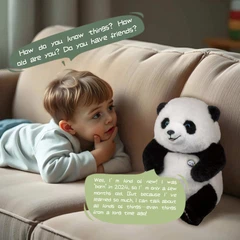
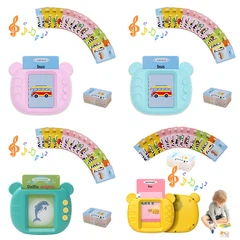

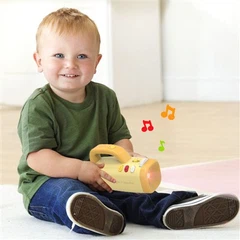



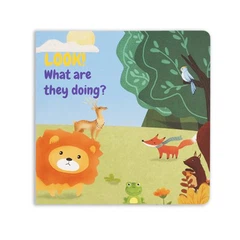
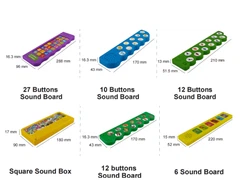
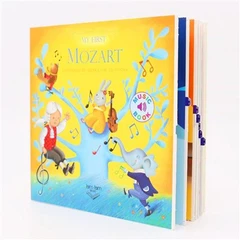
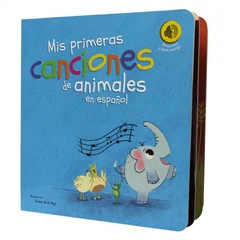
In an era where digital distractions vie for children's attention, the timeless charm of books remains a cornerstone of early education. Yet, interactive sound books-those delightful volumes that incorporate audio elements like buttons that produce sounds, music, or narrated words-offer a modern twist on traditional reading. These books are not mere novelties; they serve as powerful tools in fostering cognitive, linguistic, and emotional growth in young minds. By blending visual, auditory, and tactile experiences, they create a multisensory learning environment that captivates children and supports their developmental milestones. This blog explores the profound significance of these books in children's education, drawing on insights from educational research and practical applications to illustrate how they can transform the way young learners engage with the world around them.

The Fundamentals of Interactive Sound Books
Interactive sound books represent an evolution in children's literature, designed to make reading an active rather than a passive activity. At their core, these books feature embedded electronic components that respond to a child's touch, producing sounds that correspond to the story's elements, such as animal noises, musical tunes, or spoken words. This integration of technology with storytelling encourages children to participate directly in the narrative, turning page-turning into an exploratory adventure. For instance, a book about farm animals might allow a child to press a button to hear a cow mooing, reinforcing the connection between the printed word, the image, and the sound. Such features are particularly appealing to toddlers and preschoolers, whose attention spans are short and who thrive on immediate feedback.
Historical Context and Evolution
The concept of sound-enhanced books isn't entirely new; it traces back to early innovations in audio technology. As early as the late 19th century, inventors like Thomas Edison envisioned devices that could read books aloud, laying the groundwork for modern audiobooks and interactive formats. Over the decades, advancements in electronics have made these books more accessible and sophisticated. From simple mechanical sound-producing books in the mid-20th century to today's battery-powered versions with high-quality audio, the evolution reflects a growing understanding of how multisensory inputs aid child development. Today, these books are crafted with educational principles in mind, often aligned with curricula that emphasize phonics, vocabulary, and comprehension skills.
Types and Varieties Available Today
Modern interactive sound books come in various forms to cater to different age groups and learning needs. For infants, there are soft, cloth books with crinkly sounds or gentle chimes that stimulate sensory awareness. As children grow, books incorporate more complex elements, such as rhyming songs or interactive quizzes that prompt responses. Some focus on specific themes like alphabets, numbers, or emotions, while others tell full stories with accompanying soundtracks. The diversity ensures that parents and educators can select books that match a child's developmental stage, making them versatile tools in both home and classroom settings.
Cognitive Advantages in Early Development
One of the most compelling aspects of interactive sound books is their impact on cognitive development. These books engage multiple senses simultaneously, which research shows enhances brain activity and learning retention. When a child hears a sound linked to a visual cue, it strengthens neural pathways, helping them understand cause-and-effect relationships. For example, pressing a button to hear a word pronounced correctly teaches children about actions and consequences in a fun, low-pressure way. This multisensory approach is particularly beneficial for young learners who are building foundational cognitive skills, as it encourages problem-solving and critical thinking through playful interaction.
Boosting Phonemic Awareness and Listening Skills
Phonemic awareness-the ability to recognize and manipulate the sounds in spoken language-is a critical precursor to reading proficiency. Interactive sound books excel in this area by providing auditory cues that help children distinguish between different sounds. Studies indicate that children exposed to these books show improved ability to identify phonemes, which directly correlates with better reading outcomes later in life. For instance, a book that sounds out letters or words allows children to practice segmentation and blending sounds, skills essential for decoding text. Moreover, the repetitive nature of the sounds reinforces listening skills, training children to focus on auditory details amidst distractions. This not only aids in language acquisition but also prepares them for more structured educational environments where attentive listening is key.
Enhancing Memory and Comprehension
Memory retention is another cognitive benefit amplified by sound books. The combination of audio and visual elements creates memorable associations that make learning stickier. Children often recall stories or facts from these books more vividly because the sounds add an emotional layer to the content. Comprehension improves as well, as kids learn to connect narratives with real-world sounds, fostering deeper understanding. Educational experts note that this interactive format can lead to better story recall and inference-making abilities, setting a strong foundation for academic success in subjects like reading and science.
Language and Literacy Development Through Sound
Language skills form the bedrock of education, and interactive sound books play a pivotal role in their cultivation. By introducing children to a rich auditory landscape, these books expand vocabulary and improve pronunciation in ways that static books cannot. The immediate feedback from sounds helps children mimic correct speech patterns, building confidence in their expressive abilities. Furthermore, the rhythmic and melodic elements in many sound books introduce concepts of rhyme and rhythm, which are fundamental to literacy development.
Vocabulary Expansion and Pronunciation
A key benefit is the rapid expansion of a child's vocabulary. Sound books often feature themed content, such as animals or vehicles, where each sound is paired with a new word. This repetitive exposure helps children internalize meanings and usages. Research highlights that children who engage with these books demonstrate larger vocabularies and better articulation skills compared to those who don't. Pronunciation benefits from hearing accurate sounds, reducing common errors in early speech. Parents report that their children eagerly repeat words after the book, turning reading time into an interactive language lesson that feels like play.
Fostering Reading Comprehension
Beyond basic language, sound books enhance reading comprehension by making abstract concepts concrete. For example, a story about emotions might include sounds like laughter or crying, helping children grasp nuanced feelings. This multisensory reinforcement aids in understanding plot, characters, and themes, skills that translate to independent reading. Studies show that early exposure to such interactive elements correlates with higher comprehension scores in school-aged children, underscoring the long-term educational value.
Emotional and Social Benefits
While cognitive and linguistic gains are evident, the emotional and social dimensions of interactive sound books are equally important. These books create bonding opportunities between children and caregivers, as shared reading sessions become collaborative experiences. The joy of discovering sounds together fosters emotional security and attachment, crucial for healthy development. Socially, children learn turn-taking and empathy through stories that model interactions, preparing them for peer relationships.
Building Emotional Intelligence
Sound books often incorporate elements that teach about emotions, using tones and noises to convey feelings. This helps children identify and express their own emotions, building emotional intelligence from a young age. The interactive nature encourages children to respond emotionally to the content, such as giggling at funny sounds, which enhances self-awareness and regulation.
Encouraging Social Interaction
In group settings, like preschools, sound books promote social skills by inviting collective participation. Children discuss sounds and stories, learning to share ideas and listen to others. This collaborative aspect extends to family dynamics, where parents and siblings engage in dialogue prompted by the book, strengthening familial bonds and communication skills.
Evidence from Research and Studies
Empirical evidence supports the educational merits of interactive sound books. Numerous studies have examined their effects on child development, revealing consistent positive outcomes. For instance, research on phonemic awareness shows that children using sound-enhanced materials perform better in literacy tests. Other investigations highlight improvements in fine motor skills from button-pressing activities, which refine hand-eye coordination essential for writing.
To illustrate these findings, consider the following table summarizing key benefits from various studies:
| Benefit Category | Description | Supporting Study Insights | Impact on Development |
|---|---|---|---|
| Cognitive Enhancement | Multisensory stimulation aids in cause-and-effect understanding and problem-solving. | Studies show improved neural connections in young brains exposed to audio-visual cues. | Leads to better academic performance in early schooling. |
| Language Skills | Boosts vocabulary, pronunciation, and comprehension through auditory feedback. | Research indicates up to a 20% vocabulary increase in regular users. | Enhances communication abilities and reading readiness. |
| Emotional Growth | Helps in identifying and expressing emotions via sound narratives. | Findings link interactive reading to higher emotional intelligence scores. | Fosters empathy and self-regulation in social contexts. |
| Social Development | Encourages group interactions and bonding during shared reading. | Surveys report stronger family ties and peer cooperation skills. | Prepares children for collaborative learning environments. |
This table encapsulates how sound books contribute across developmental domains, backed by educational research.
Practical Applications for Parents and Educators
Incorporating interactive sound books into daily routines is straightforward and rewarding. Parents can start by selecting age-appropriate books and reading them during quiet times, encouraging children to interact independently afterward. Educators might integrate them into lesson plans, using sounds to introduce new concepts in a classroom setting. Regular exposure, combined with discussions about the content, maximizes benefits.
Choosing the Right Books
When selecting sound books, consider durability, educational value, and child interest. Opt for those with clear, high-quality audio and diverse themes to keep engagement high. Reviews and recommendations from educational sites can guide choices, ensuring the books align with developmental goals.
Integrating into Daily Learning
Make sound books a part of bedtime stories or playtime to build habits. Encourage questions and extensions, like acting out sounds, to deepen learning. Monitoring progress, such as noting new words learned, helps track the books' impact.
Conclusion: A Sound Investment in Education
Interactive sound books are more than entertaining gadgets; they are vital instruments in shaping well-rounded, eager learners. By harnessing the power of sound to enrich reading experiences, they address multiple facets of child development, from cognitive leaps to emotional maturity. As research continues to affirm their value, parents and educators are encouraged to embrace these tools, ensuring that the next generation benefits from innovative, engaging education. In a world of rapid change, the simple act of pressing a button to hear a story unfold might just be the key to unlocking a child's full potential.