












Digital transformation is revolutionizing traditional industries, bringing profound changes to the way businesses operate, deliver value, and engage with customers. From manufacturing and healthcare to agriculture and retail, the adoption of digital technologies is driving efficiency, innovation, and competitiveness in sectors that once relied heavily on manual processes and legacy systems.

One of the most visible impacts of digital transformation is the automation of routine tasks. Advanced technologies such as artificial intelligence, robotics, and the Internet of Things (IoT) are streamlining production lines, optimizing supply chains, and reducing human error. For example, manufacturers now use smart sensors to monitor equipment performance, predict maintenance needs, and minimize downtime, resulting in significant cost savings and increased productivity.
In the healthcare industry, digital transformation is enhancing patient care and operational efficiency. Electronic health records, telemedicine, and wearable devices allow healthcare providers to access real-time data, deliver remote consultations, and personalize treatment plans. These innovations not only improve patient outcomes but also make healthcare more accessible and efficient.
Retailers are also experiencing a dramatic shift due to digital transformation. E-commerce platforms, mobile apps, and data analytics are enabling businesses to understand customer preferences, personalize marketing, and streamline inventory management. Traditional brick-and-mortar stores are integrating digital payment systems and adopting omnichannel strategies to meet the demands of modern consumers.
Agriculture, another traditional industry, is benefiting from digital tools that support precision farming. Drones, satellite imagery, and data analytics help farmers monitor crop health, optimize irrigation, and predict yields with greater accuracy. These advancements are increasing food production while reducing environmental impact.
Despite these benefits, digital transformation presents challenges such as cybersecurity risks, the need for employee reskilling, and resistance to change. Organizations must invest in robust digital infrastructure, foster a culture of innovation, and ensure that their workforce is equipped with the necessary skills to thrive in a digital environment.
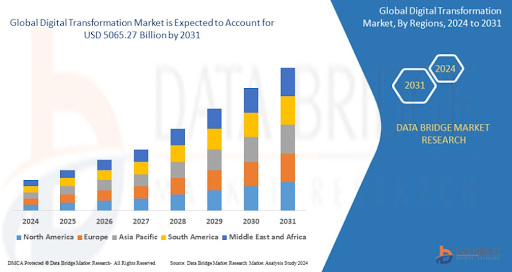
In conclusion, digital transformation is reshaping traditional industries by fostering efficiency, innovation, and new business models. Companies that embrace digital technologies are better positioned to adapt to changing market demands, deliver superior value to customers, and secure long-term growth. The future belongs to those who leverage digital transformation to reinvent themselves and lead in their respective fields.