



SaaS changed how we think about content. Spotify does not primarily sell streaming technology. It sells access to music. Netflix does not sell a video platform. It sells stories, and the software stays mostly invisible behind them. The idea that content itself is the product took hold across industries. In the world of children's audio toys, that lesson landed in a particular way.
Many toy companies and publishers looked at the success of products like Yoto and the Toniebox and reached a conclusion that felt logical at the time. To win, they assumed they needed an app, a cloud backend, a subscription layer, and a team of developers. They copied the delivery system instead of the underlying business model. When they saw the real cost of building and maintaining that stack, most walked away. The barrier looked too high for a content company that simply wanted to put stories into children's hands.
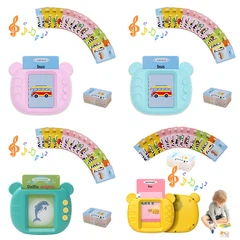
There is another route. It has been available on the manufacturing floor for some time, in the form of a card or a plush figure that carries the audio itself. This approach is called Content-as-Object, or CaO. Instead of treating stories as a service rented from a remote server, it turns them back into physical things a child can hold, place, and remove. The content lives on the object. The player's only job is to read that object and play the sound.
The Hidden Cost of the App-First Model
A publisher once sat in a sample room surrounded by sound books and story machines. A Toniebox sat on the table. He picked it up, put it down, and said he could not build anything like it. The app alone, he believed, would require an entire company.
The numbers that rarely get shared with content people explain why that feeling is so common. Building and maintaining a proper kids' app can run anywhere from two hundred thousand to eight hundred thousand dollars. Adding a Wi-Fi module to every player adds one to two dollars per unit. Cloud hosting and content delivery become a recurring bill that never stops. Privacy rules for children's data, including COPPA in the United States and stricter European requirements, bring audits, legal work, and ongoing compliance costs.
When the publisher asked whether the app was the real competitive advantage, the answer was no. The stories are the moat. The app functions more like a toll booth. It is possible to skip that booth entirely.
Why Every New Card or Figure Currently Needs an App
Yoto sells cards. Toniebox sells figurines. Both run strong content businesses, and both follow the same technical pattern. The physical item holds only an identifier. The actual audio lives on company servers. When a family buys a new card or figure, the player cannot play it until the parent activates it through the app.
With a Yoto card, the card itself contains little more than an ID. The parent opens the app, links the card to an account, and the player then streams the audio over Wi-Fi. With a Tonie figure, the figure carries an NFC tag. The content assignment is managed inside the app. Setup requires the parent to pair the box, assign the story, and only then does the figure play.
In everyday terms, every new piece of content requires a phone, an account, a login, and an activation step. It may happen only once per item and can feel invisible to a happy customer. For any company trying to copy the model, that step is the entire game. It forces every user into an account system, tracks every purchase, routes every new card through a controlled store, and requires content partners to accept the platform's rules and revenue share.
A publisher who says "I am a content company, not a software company" is quietly being asked to become both.


What Content-as-Object Actually Changes
Content-as-Object removes the activation step because the content no longer lives on a server. It lives on the object itself. The card or plush figure carries two elements: a small identifier so the player knows what it is holding, and a flash chip that stores the audio. The player does one job. It reads the object and plays the sound.
There is no account. There is no sign-up. There is no Wi-Fi pairing. There is no prompt asking the parent to update an app. A three-year-old can place a figure on the reader and hear a story begin in less than a third of a second. When she lifts the figure, the story pauses. That is the complete experience.
The engineering stays modest. A flash chip of sixty-four to two hundred fifty-six megabytes is enough for a full story. The reader in the player uses a common 13.56 MHz RFID approach already used in existing hardware. Speaker, battery, and volume controls are the same components factories have shipped for years. The added cost sits roughly between fifty-five and eighty cents per card and fifteen to twenty-five cents per player.
When a publisher looks at that small chip and asks whether an entire company can fit inside it, the reply is that an entire catalogue can. One object equals one story.
The Same Business Logic, Delivered Differently
CaO is not a rejection of the SaaS insight. It is the same insight translated into the physical world of toys. SaaS says content is king and delivers it as a network service. CaO keeps content as king but delivers it as an object a child can hold. The business goals stay the same: recurring purchases of content, a growing catalogue, and a brand that owns the relationship with the audience. Only the delivery method changes.
In the SaaS version, content lives in the cloud, reaches the user through an app, and is renewed by subscription. In the CaO version, content lives in the object, is consumed by placing it on a reader, and is renewed by buying the next physical item. The goal remains a content company monetizing stories at scale. The difference is that the software burden no longer falls on the content company. It is absorbed into the hardware.
That is why a publisher can move into this space while a pure software startup may overlook it. The publisher already owns the thing CaO sells: the stories.
Ownership and Creative Freedom
With the major existing platforms, the player, the card or figure format, and the store belong to the platform owner. Content enters their ecosystem under their rules. The figurine or card stays locked to their system, and content assignment happens inside their app. These are polished products and closed environments.
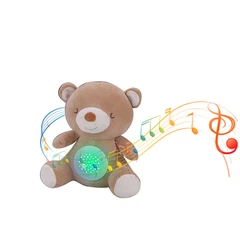
With Content-as-Object, the object belongs to the content brand. The story belongs to the content brand. The physical form belongs to the content brand. A dinosaur plush can carry the dinosaur stories. A soft bear can carry the bedtime collection. A card can carry the publisher's own logo. A gift box can echo the original book cover. The player needs only a way to read the object.
The intellectual property stays with the brand. Retail pricing and margins stay with the brand. The catalogue grows by shipping new objects. The player hardware does not need to change. Every new object simply works. There is no app to maintain, no activation flow to build, and no account system to operate.
One publisher who examined the alternative put it clearly after handling a competing product: the other side built a gate. This approach offers the land on the other side of the gate.
How the Stories Get Onto the Objects
The practical question always follows: who loads the audio? There are two workable answers.
The first is factory loading. The publisher sends the audio files. The factory burns them onto the objects, tests every unit, and ships finished product ready for sale. The publisher never installs software or thinks about firmware.
The second is a simple desktop writer that costs between fifty and one hundred fifty dollars. The publisher can load stories in about a minute per object by dragging and dropping files. This option suits schools, libraries, or localized editions that need quick changes.
New content arrives as a new physical object. The player itself never needs an update. Each object can carry a unique encrypted identifier for basic protection against casual copying. A catalogue of five hundred audiobooks stops being an abstract library and becomes five hundred distinct product SKUs, each one sellable and each one carrying its own margin.


Why Content Companies Hold a Structural Advantage
People sometimes ask whether a content company can realistically compete with established names that already have retail distribution and brand recognition. The comparison is not about out-engineering the incumbents on cloud infrastructure or app features. It is about positioning.
A publisher already owns the stories. The major platforms often need to license them. A brand already owns recognizable characters. The platforms frequently invent their own. A seller already owns an audience. The platforms usually have to acquire that audience. The absence of an app, cloud, activation process, and the associated compliance work creates a lasting cost advantage.
The strength of the leading connected systems is their content network and closed ecosystem. The strength of the object-based approach is that any company with content can build its own. In a market where many parents are weary of accounts, logins, and constantly connected toys, that simplicity becomes part of the appeal rather than a limitation.
Bringing the Idea Back to the Child's Hand
SaaS turned content into something people rent. Content-as-Object turns it back into something they own. Both approaches treat content as the product. One requires the content owner to become a software company first. The other allows the owner to remain a storyteller.
Content that lives in the cloud needs a phone, an account, and a parent's patience. Content that lives on a physical object needs none of those things. A child's hand is enough.
The publisher who once felt locked out by the cost of an app is not an unusual case. Many rights holders and content brands have looked at the leading connected players, run the numbers, and stepped back. The physical approach removes the need to step back. The stories can still reach children. They simply travel inside an object instead of through a server.
What This Means for the Next Product Decision
Before specifying another connected toy, three questions are worth asking. Does the company already own content that children respond to? Does it already have a character or brand children recognize? Does it have little interest in becoming a software company?
Three yes answers point toward the object-based path. Pricing should not be measured only against app stores and subscription models. It should also be measured against the alternative many families already face: a tablet that costs hundreds of dollars, a monthly fee, and a child who keeps asking for the phone. Content that lives in a physical object a child can hold and control often wins at the retail shelf and at bedtime for exactly those reasons.
The technology exists. The manufacturing path is established. The remaining decision is whether the next project will require building software infrastructure or will simply put the stories where a child can reach them without an account, a login, or a parent's phone.