








Introduction: AI Ushers in a New Era for the Toy Industry
With the rapid development of artificial intelligence technology, the global toy industry is undergoing an unprecedented ecological transformation. AI is not only changing the form of toy products but also profoundly reshaping the entire industrial chain from design and R&D to manufacturing, from marketing to user experience. This article will systematically analyze the multidimensional impact of AI technology on the toy industry ecosystem, providing practitioners with forward-looking industry insights.
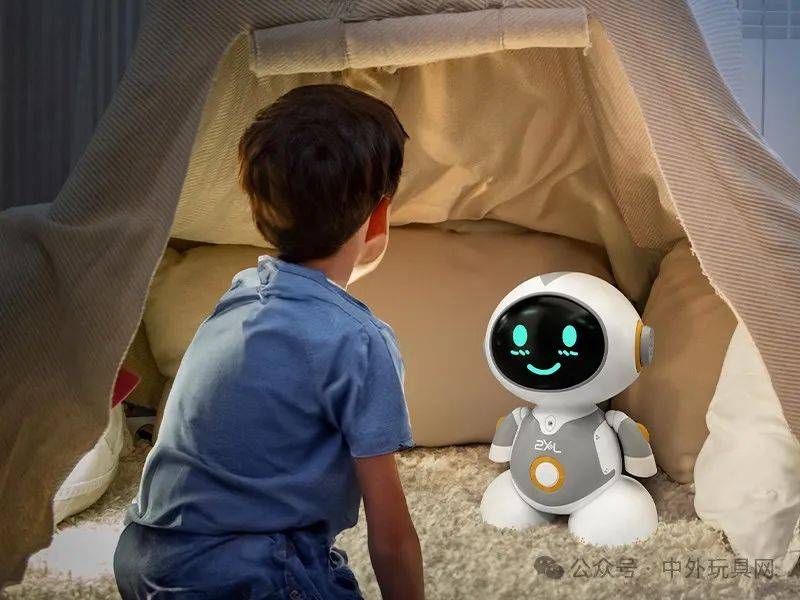
1. AI-Driven Innovation in Smart Toy Products
1.1 The Rise of Interactive Educational Toys
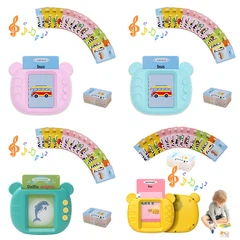
Voice interactive toys: Smart dolls equipped with NLP technology (e.g., Anki Cozmo, AI panda)
Adaptive learning systems: Educational robots that adjust difficulty based on children's cognitive levels
Emotion recognition toys: Companion toys that perceive children's emotions through facial recognition
1.2 Immersive Experiences Combining Virtual and Real Worlds
Deep integration of AR/VR toys with AI (e.g., LEGO Hidden Side series)
Digital interaction with physical toys based on computer vision
AI-generated dynamic narratives and game content
Market data: The global smart toy market is expected to reach $24.6 billion by 2027, with a CAGR of 14.3% (Grand View Research)

2. AI-Optimized Toy Industry Supply Chain
2.1 Intelligent Design and Rapid Prototyping
Generative AI-assisted toy concept design (e.g., MidJourney toy prototype generation)
Algorithm-driven market trend prediction and product planning
Rapid prototyping systems combining 3D printing and AI
2.2 Smart Manufacturing and Quality Control
Computer vision for automatic defect detection on production lines
Predictive maintenance to reduce equipment downtime
Smart warehousing and logistics optimization
3. AI-Enabled Precision Marketing and Personalized Services
3.1 Consumer Insights and Demand Forecasting
Big data analysis to identify niche market needs
Emotion computing to optimize advertising creativity
Purchase behavior prediction models
3.2 Hyper-Personalized Shopping Experiences
AI recommendation systems (e.g., "Recommended for You" toy suggestions)
Virtual trial plays and AR displays
24/7 customer service via chatbots
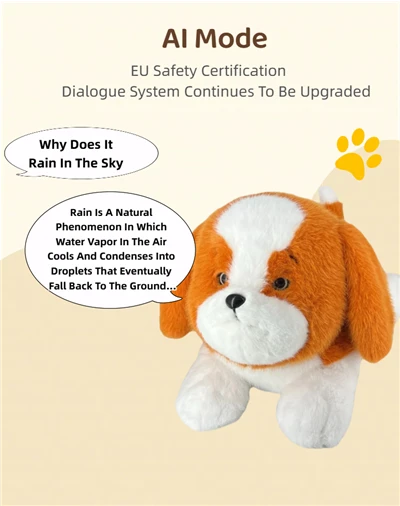
4. Safety and Ethical Considerations for AI Toys
4.1 Data Privacy Protection Challenges
Compliant collection of children's voice/image data
GDPR and COPPA compliance requirements
Application of security encryption technologies
4.2 Ethical Risk Prevention
Prevention of algorithmic bias
Digital addiction prevention mechanisms
Age-appropriate content filtering systems
5. Future Outlook: The Evolution of AI Toys
Emotional AI Toys: Intelligent companions with empathy capabilities
Metaverse Toys: Deep interaction between digital twins and physical toys
Evolvable Toys: AI playmates capable of continuous learning and growth
STEAM Educational Toys: AI-driven science education solutions
Conclusion: Embracing the AI-Driven Toy Industry Revolution
AI technology is fundamentally reconstructing the value chain of the toy industry, creating unprecedented product forms and business models. Toy companies need to actively embrace this transformation by focusing on:
Increasing investment in AI R&D and cultivating interdisciplinary talent
Establishing comprehensive data security systems
Exploring innovative combinations of AI and traditional cultural toys
Monitoring regulatory policy changes to ensure compliant development
The future is already here. Only toy enterprises that proactively adapt to AI technological changes will secure advantageous positions in the new era's industrial ecosystem.