Introduction
In recent years, with the rapid growth of the global Muslim population (projected to reach 2.2 billion by 2030), the Halal Toys market has seen explosive demand. These toys not only comply with Islamic principles but also integrate cultural, educational, and faith-based elements, becoming a new growth driver in the toy industry. This article provides an in-depth analysis of market trends, popular categories, and business opportunities in Halal toys.
What Are Halal Toys?
Halal toys refer to children's toys that adhere to Islamic guidelines (Sharia-compliant), with key features including:
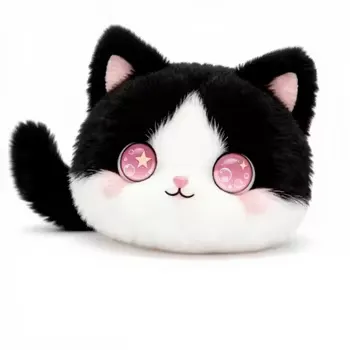
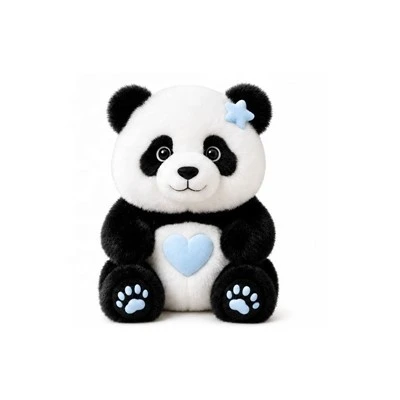
✅ No facial features (to avoid idolatry, e.g., faceless dolls, animal-shaped toys)
✅ Eco-friendly and safe materials (free from alcohol or pork-derived ingredients)
✅ Islamic cultural elements (e.g., Arabic alphabet puzzles, mosque-building blocks)
✅ Educational content (Quranic stories, Muslim hero figures)
Popular Examples:
Faceless dolls (e.g., Elif Toys from Turkey)
Mosque-themed building blocks (SalamPlay)
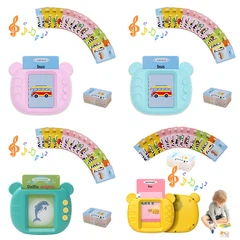
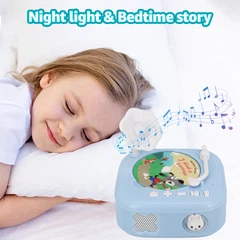
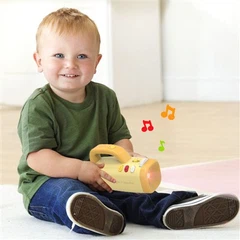
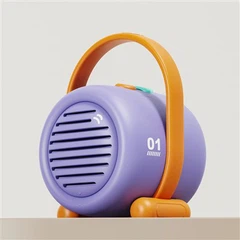
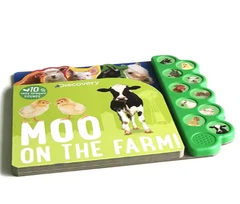
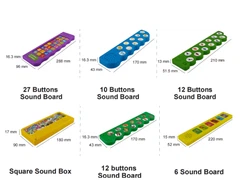
Arabic smart learning tablets (IslamiCity, Talking flash cards )

2. Key Drivers of Halal Toy Market Growth
① Rising Muslim Population & Purchasing Power
The global Muslim consumer market is projected to reach $3 trillion by 2025 (DinarStandard data).
Strong demand in the Middle East, Southeast Asia (Indonesia, Malaysia), and Muslim communities in the West.
② Parental Focus on Faith-Based Education
Muslim parents seek toys that instill Islamic values, reducing Western cultural influence.
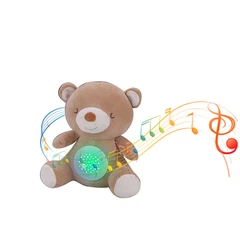
Example: "Prophets' Stories" audio dolls (narrating the life of Prophet Muhammad) are bestsellers in Saudi Arabia.

E-Commerce & Social Media Boost
Platforms like Souq (Amazon MENA) and Noon have dedicated Halal toy sections.
Hashtags like #HalalToys on Instagram and TikTok showcase unboxing reviews
3. Top Halal Toy Categories & Innovations
🕌 Cultural & Educational Toys
Arabic learning devices (with Quran recitation features)
Hajj simulation kits (role-playing toys for kids)

🤖 Tech-Integrated Toys
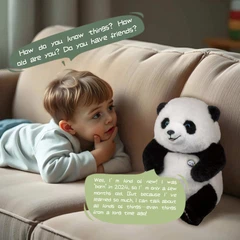
AI-powered Islamic robots (answering religious questions, e.g., Qibla Finder Robot)
AR prayer rugs (teaching children proper prayer postures via an app)
♻ Eco-Friendly & Safe Toys
Organic cotton dolls (chemical-free dyes, e.g., Pure Play Kids)
Wooden mosque puzzles (FSC-certified materials)
4. Key Strategies for Entering the Halal Toy Market
📍 Certification & Compliance
Obtain Halal Certification (e.g., Malaysia's JAKIM, Indonesia's MUI).
Meet international safety standards (CE, ASTM).
🌍 Localized Marketing
Launch limited editions for Ramadan and Eid (e.g., Eid gift sets).
Collaborate with Islamic influencers (e.g., YouTube channel Islamic Toy Review).
🛒 Distribution Channels
Online: List on Middle Eastern e-commerce sites (Noon, Souq) or Shopify stores with local payment options.
Offline: Partner with Islamic bookstores and baby shops (e.g., Saudi's Jarir Bookstore).
5. Challenges & Future Outlook
⚠️ Cultural Sensitivity: Avoid controversial designs (e.g., anthropomorphized animals).
⚠️ Supply Chain Costs: Halal materials (e.g., plant-based glue) may increase production expenses.
Future Trends:
Smart wearables + faith education (e.g., kids' smartwatches with prayer reminders).
Metaverse Halal toys (virtual Mecca exploration games).
Conclusion
The Halal toy market holds immense potential, but success depends on cultural understanding + product innovation. Brands that balance compliance, education, and entertainment can lead in this untapped market.