Introduction
In the past, buyers in the children's toy industry primarily focused on "low-cost procurement", pursuing cost-effectiveness and quick turnover. However, with consumption upgrades and growing parental awareness of education, buyer demands have shifted from purely "price-driven" to "value co-creation"-they now place greater emphasis on toys' educational value, interactive experiences, and long-term developmental benefits.
This article explores how the children's toy industry can adapt to this trend through educational toys, parent-child interaction, and brand co-creation to meet the core demands of new-generation buyers and enhance brand competitiveness.
1. Why Are Buyers Shifting to "Value Co-Creation"?
1.1 The Evolution of Parental Education Perspectives
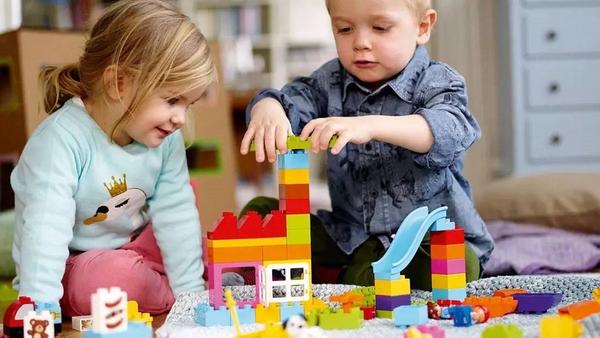
Modern parents prioritize toys' "educational attributes" over pure entertainment.
Demand has surged for "edutainment" products like STEM toys and Montessori teaching aids.
1.2 The Need for Developmental Engagement
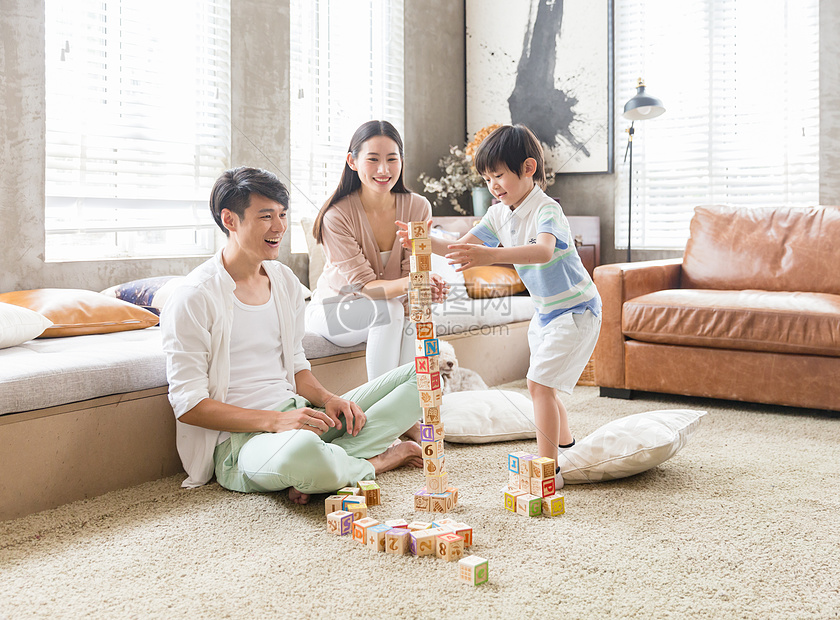
Parents want toys that facilitate parent-child interaction rather than solitary play.
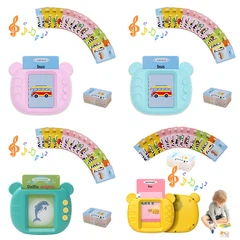
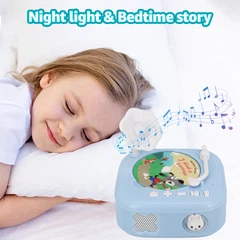
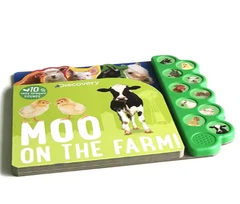
Examples: Board games, Talking falsh cards and Children's projector that encourage "family playtime" are gaining popularity.
1.3 Deeper Brand-Consumer Connections
Buyers no longer focus solely on price but want to participate in product design (e.g., crowdfunding, user co-creation).
Example: LEGO IDEAS platform allows users to submit ideas and vote on production decisions.

2. How to Create "Value Co-Creation" Children's Toys?
2.1 Enhance Educational Value: Make Toys "Growth Partners"
STEM/STEAM toys (coding robots, science experiment kits)
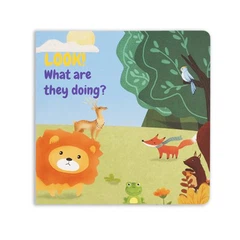
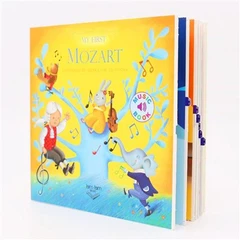
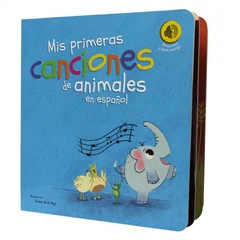
Language development toys (bilingual talking pens, interactive storybooks)
Social-emotional learning (SEL) toys (emotion recognition cards, cooperative board games)

2.2 Design for Parent-Child Interaction to Boost Family Engagement
Family board games (e.g., "UNO Junior," "Monopoly for Kids")
DIY craft toys (e.g., 3D puzzles, science experiment kits)
AR interactive toys (e.g., smart globes with companion apps, AR coloring books)
2.3 Involve Users in Product Development (Co-Creation Models)
Crowdfunding platforms (Kickstarter, Taobao Crowdfunding) to test market response.
Community research (e.g., gathering insights from mom groups and early education centers).
User-generated content (UGC) incentives (encouraging users to share gameplay videos and reviews).
2.4 Sustainability and Personalization for Long-Term Value
Eco-friendly materials (e.g., wood, biodegradable plastics).
Expandable toy systems (e.g., modular building blocks with progressive difficulty).
Customizable toys (e.g., engraved blocks, personalized puzzles).
3. Case Studies of Success
Case 1: LEGO Education
Goes beyond selling bricks by offering curriculum systems and partnering with schools to promote STEAM learning.
The LEGO IDEAS platform lets fans vote on new products, strengthening user loyalty.
Case 2: Osmo Interactive Learning Toys
Combines physical toys with app-based interaction to teach coding and math through play.
Parents can track learning progress via the app, achieving "growth visibility."
Case 3: Green Toys Eco-Friendly Products
Made from 100% recycled materials, appealing to environmentally conscious families.
Uses "sustainability storytelling" in marketing to build brand social value.
4. Future Trends: How to Sustain "Value Co-Creation"?
AI + Toys: Smart toys that adapt difficulty based on a child's ability (e.g., programmable robots).
Toy Subscription Services: Monthly deliveries of age-appropriate toys to simplify parental decision-making.
Phygital (Physical + Digital) Toys: Metaverse-inspired concepts (e.g., NFT-linked collectible toys).
Conclusion
In the children's toy industry, competing solely on price no longer satisfies new-generation buyers. "Value co-creation" has become key-by focusing on educational benefits, parent-child interaction, user participation, and sustainable design, brands can build deeper consumer relationships and achieve long-term growth.