In an age of mass production, there's something truly magical about owning an object that was made just for you. This is especially true for children, whose imaginations know no bounds. Personalized custom toys are more than just playthings; they are cherished keepsakes, embodiments of identity, and tangible stories. But how does a simple idea-a name, a drawing, a dream-transform into a physical toy you can hold in your hands? The journey from design to delivery is a fascinating blend of art, technology, and heartfelt craftsmanship.

Stage 1: The Spark of Imagination - Conception & Design
It all begins with an idea. This phase is a collaborative dance between the customer's vision and the designer's expertise.
The Consultation: The process often starts with a form or a conversation. A parent might want a doll with their child's exact hair and eye color. A couple might want to turn their child's whimsical drawing of a "super-dog" into a plush hero. The goal here is to capture every detail, no matter how small.
The Translation: Designers then take this raw inspiration and translate it into a technical reality. They consider:
Artistic Direction: What will the toy's style be? Cute, realistic, abstract?
Functionality: Will it have movable limbs? Is it meant for cuddling or display?
Safety & Durability: This is paramount. Materials must be non-toxic, and parts must be secure, especially for younger children.
The Digital Blueprint: Using digital sculpting software like ZBrush or CAD programs, artists create a 3D model of the toy. This is the most critical step, as it defines every curve, contour, and expression. For simpler items like engraved blocks, this might involve graphic design software to layout the text and artwork. This digital prototype is then shared with the client for approval, ensuring the vision is perfectly aligned before any physical creation begins.

Stage 2: Bringing the Idea to Life - Production & Manufacturing
Once the design is locked in, the chosen manufacturing method springs into action. The technique varies dramatically based on the toy's type.
3D Printing (Additive Manufacturing): For highly complex, one-off designs like action figure prototypes or intricate models, 3D printing is revolutionary. It allows for the creation of shapes that would be impossible with traditional molds, layer by precise layer. It's the go-to method for true uniqueness and rapid prototyping.
Injection Molding: For larger batches of personalized items (e.g., custom-shaped puzzle pieces with different names), a mold might be created. While the mold itself is expensive, it allows for efficient production of multiple units with consistent, high quality.
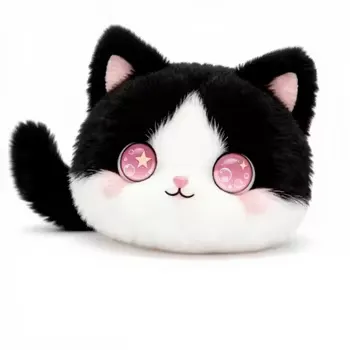
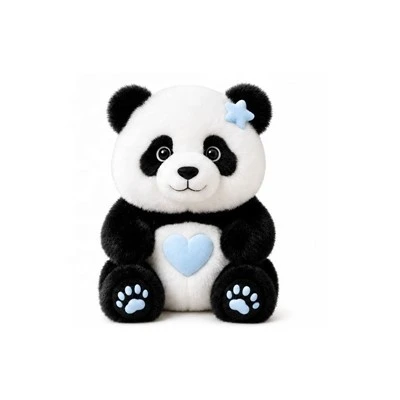
Traditional Craftsmanship: This is where the human touch truly shines. For plush toys, skilled artisans cut fabric based on digital patterns, sew the pieces together, and hand-assemble the features. Embroidery machines meticulously stitch names and facial details. For wooden toys, craftspeople cut, sand, and finish each piece, often using laser engravers to burn custom designs into the surface with pinpoint accuracy.
This stage is a symphony of modern technology and traditional skill, all working in concert to create a physical object from a digital dream.
Stage 3: The Finishing Touches - Quality Control & Personalization
The toy is assembled, but it's not yet complete. This stage is where its unique identity is fully realized.
Rigorous Quality Control: Every single custom toy undergoes a meticulous inspection. Seams are checked for strength, surfaces are examined for flaws, and all safety standards are verified. This ensures that the heirloom-quality item is not only beautiful but also built to last.
The Personal Touch: This is the heart of the process. This is where the name is embroidered onto the doll's sweater, where the birthdate is painted on the sole of the little wooden car, or where the custom-designed packaging is assembled. This step transforms a standard produced item into the personalized gift.

Stage 4: The Journey Home - Packaging & Delivery
The experience of receiving a custom toy is part of the magic. The unboxing itself is an event.
Thoughtful Packaging: Recognizing the gift-like nature of their product, most custom toy companies invest in special packaging. The toy might be nestled in a branded box with tissue paper, accompanied by a "birth certificate" for a doll, or a note from the craftspeople who made it. This packaging is designed to make the customer feel the care and attention that went into their order from the very first moment.
Shipping: The toy is carefully packed to withstand its journey, ensuring it arrives in perfect condition. Customers are usually provided with tracking information, building anticipation as the toy makes its way to its new home and its eagerly awaiting owner.
Conclusion: More Than a Toy, a Memory
The process of creating a personalized custom toy is a far cry from the assembly lines of mass-market factories. It is a thoughtful, multi-stage journey that blends client collaboration, artistic design, engineering precision, and hand-finished care.
The result is more than just a product; it's a physical memory. It's the recognition of a child's identity, the preservation of a drawing, or the celebration of a milestone. From the initial spark of an idea to the moment it's delivered into a customer's hands, each custom toy carries with it a story-a story that began the moment someone decided to create something truly one-of-a-kind.