

In today's fast-paced world of children's entertainment, plush toys have evolved far beyond the simple stuffed animals of yesteryear. These cuddly companions now incorporate cutting-edge technology to create engaging, interactive experiences that captivate kids and even adults. From voice-activated responses to emotional simulations, modern plush toys are designed to foster creativity, learning, and emotional connections. This article dives deep into the various interactive functions that plush toys can offer, highlighting how these features transform playtime into an immersive adventure. Whether you're a parent shopping for educational toys or a toy enthusiast curious about the latest innovations, understanding these capabilities can help you choose the perfect interactive stuffed animal for your needs.
Voice Interactive Features in Plush Toys
Voice interaction has become a cornerstone of modern plush toys, turning them into conversational partners that respond to users in real time. This technology not only adds fun to play but also supports developmental skills like language acquisition and social interaction. By embedding microphones, speakers, and advanced software, manufacturers create toys that feel alive and responsive, making them ideal for bedtime stories, learning sessions, or just everyday chit-chat.


Preset Voice Playback for Everyday Entertainment
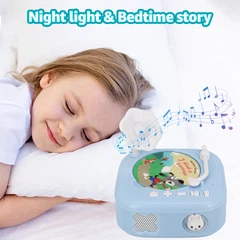
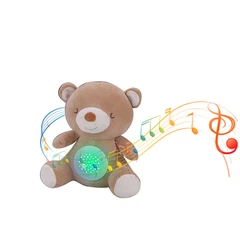
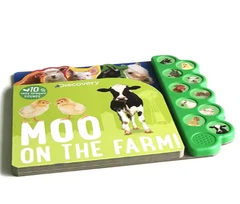
One of the most straightforward yet beloved features in interactive plush toys is the ability to play preset voice messages or audio clips. Imagine a soft, huggable bear that bursts into a cheerful children's song at the press of a button or recounts a soothing bedtime story to help little ones drift off to sleep. These preloaded sounds can include everything from simple greetings to educational content, providing endless entertainment without needing constant adult supervision. For families with specific cultural or religious needs, this feature shines brightly-for instance, toys like the Quran Pillow, which has been a collaborative success for over eight years, come equipped with more than 100 Muslim-themed sounds. This customization ensures that the toy aligns with family values while offering comfort and familiarity. Parents appreciate how these preset voices can calm a fussy child or turn a quiet afternoon into a musical play session, all while encouraging auditory skills and rhythm recognition in young minds.
Real-Time Voice Dialog for Dynamic Conversations
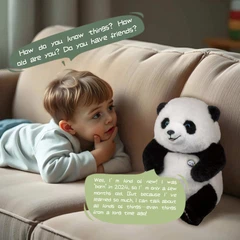
Taking interactivity a step further, some plush toys are equipped with real-time voice SDKs that enable genuine back-and-forth conversations. Powered by speech recognition and natural language processing, these toys can understand questions and respond in a natural, engaging tone. Picture a child asking their plush friend about the weather or a fun fact, and receiving an immediate, tailored reply-this not only sparks curiosity but also builds confidence in communication. Companies like Haivivi, a pioneering AI toy developer from China, integrate technologies such as ChatGPT to handle a wide array of kid-friendly queries. This feature elevates the toy from a passive plaything to an active companion, promoting educational growth by turning playtime into impromptu learning opportunities. For parents, it's a relief to know their child is interacting with a safe, controlled AI that encourages positive dialogue without the risks of unfiltered internet access.


Speech Recognition and Response for Command-Based Fun
Speech recognition technology allows plush toys to interpret voice commands and respond accordingly, making interactions feel magical and personalized. Users can simply speak to the toy-perhaps instructing it to dance or tell a joke-and watch as it complies with sounds, movements, or verbal replies. This is particularly popular in animal-shaped toys like dogs or cats, where speaking triggers actions that mimic real pet behaviors, such as barking or purring. The responsiveness creates a sense of ownership and engagement, as children learn that their words have direct consequences in play. Over time, this can enhance vocabulary and pronunciation skills, as kids experiment with different phrases to see how the toy reacts. It's a feature that blends technology with imagination, ensuring that each play session is unique and tailored to the user's whims.
Recording and Playback for Personalized Memories
Adding a heartfelt touch, many interactive plush toys include recording capabilities that let users capture and replay their own voices. Parents might record a loving message or a custom story, which the toy then plays back on demand, creating cherished moments that last. Often called mimic or repeat toys, models like the iconic talking cactus exemplify this by echoing back whatever is said to it in a fun, altered voice. This personalization fosters emotional bonds, especially for children who might miss a parent during travel or bedtime. Beyond sentiment, it encourages creativity, as kids can invent their own narratives or songs, replaying them to share with friends or family. In an era where digital memories dominate, this analog-digital hybrid offers a tangible way to preserve voices and stories within a beloved toy.
Touch Interactive Features Enhancing Sensory Play
Touch-based interactions bring a physical dimension to plush toys, making them more than just visual or auditory delights. By incorporating sensors that detect contact, these toys respond to hugs, pats, or squeezes, enhancing the tactile experience that plush materials are already known for. This category of features is especially beneficial for sensory development in young children, helping them explore cause and effect through gentle, hands-on play.
Touch Sensors for Responsive Reactions
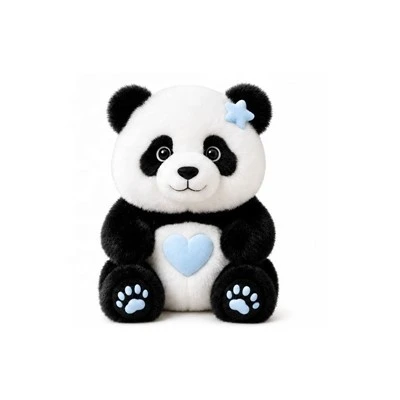
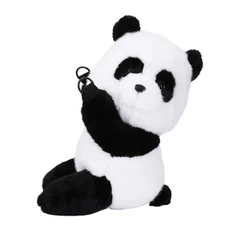
Equipped with sensitive touch sensors, plush toys can light up, make noises, or even move when stroked or tapped. For example, a panda toy might blink its eyes when its head is touched, thanks to a silver sensor embedded in the design- a clever innovation from manufacturers like XINDITAI. This immediate feedback makes the toy feel alive, encouraging repeated interactions that build fine motor skills and emotional awareness. Children learn empathy by "petting" their toy friend, mirroring real-life animal care, while the variety of responses keeps play fresh and exciting. It's a simple yet powerful way to integrate technology into traditional stuffed animals, appealing to both tech-savvy parents and kids who crave interactive fun.


Pressure Sensing for Varied Interactions
Pressure sensors take touch interactivity to the next level by detecting the intensity of contact and adjusting responses accordingly. A light squeeze might produce a soft giggle, while a firmer hug could trigger a louder song or more vigorous movement. Widely used across various plush designs, this feature acts like an advanced button switch, activating based on where and how hard the toy is pressed. It adds layers to play, teaching children about nuance and control-gentle touches for calm responses, stronger ones for energetic ones. This adaptability makes the toy suitable for different moods and energy levels, from quiet cuddle time to lively group play, ensuring it remains a versatile companion in any child's toy collection.
Movement and Action Interaction Features for Active Play
Movement features infuse plush toys with energy, turning static cuddles into dynamic adventures. These capabilities use motors and sensors to simulate life-like actions, encouraging physical activity and coordination in users. From automatic wiggles to responsive mimics, these functions make play more immersive and physically engaging.
Automated Motion for Lively Entertainment
Many plush toys feature built-in automated movements, such as body twists or limb waves, that activate on their own or with a trigger. Combined with sounds, these actions create a vibrant play environment that's full of surprises. For instance, a seek-and-find money plush toy might wriggle to reveal hidden compartments, blending motion with interactive games. This not only entertains but also stimulates gross motor skills as children chase or mimic the toy's antics. Parents love how it promotes active play without screens, fostering a healthy balance between technology and physical fun in everyday routines.


Motion Sensing and Imitation for Mimicry Games
Advanced motion sensors allow plush toys to detect user movements and respond in kind, perhaps waving back when a child waves hello. Though not yet widely applied in all plush lines, this technology-drawn from other client projects-promises exciting developments. It turns play into a dance of imitation, where the toy mirrors actions like jumping or clapping, encouraging kids to get up and move. This interactive mimicry builds social skills and body awareness, making it ideal for active toddlers or group playdates where laughter and movement go hand in hand.
Emotional Interaction Features Building Bonds
Emotional features in plush toys go beyond fun, offering companionship that supports mental well-being. By simulating feelings and responses, these toys help users navigate emotions in a safe, playful way.
Emotional Change and Expression for Empathy Lessons
Programmed to display emotions like joy, sadness, or anger through sounds, movements, or facial changes, plush toys teach empathy and emotional intelligence. Brands like YOTO excel here, creating toys that react to user inputs with appropriate expressions. Children learn to recognize and respond to feelings, perhaps comforting a "sad" toy with a hug, which reinforces kindness and understanding in real-life interactions.
Emotional Companionship and Interaction for Support
AI-driven emotional companionship turns plush toys into supportive friends, offering words of encouragement or comfort via voice. Leaders like Haivivi provide high-end options, though at a premium price, that listen and respond empathetically. This is invaluable for children needing extra emotional support, providing a non-judgmental ear during tough times and enhancing overall well-being through consistent, positive interactions.


Blow Sensor as a Unique Interactive Function
Blow sensors, often integrated via microphones, add a novel twist by responding to airflow from a user's breath. A gentle puff might trigger soft lights or sounds, while a strong blow could unleash dynamic music or exaggerated motions. This enhances fun while teaching cause and effect, boosting imagination and logical thinking. Educational applications abound, helping kids explore breath control and observation skills. Concepts like the Blow to Light Dinosaur from XINDITAI illustrate how this sensor can make play both interactive and instructive, stimulating creativity in unexpected ways.
In conclusion, the integration of these interactive features has revolutionized plush toys, making them versatile tools for entertainment, education, and emotional growth. As technology advances, expect even more innovations, with AI leading the charge in the toy industry. If you're interested in custom interactive plush toys, reaching out to experts like XINDITAI can help bring your ideas to life, creating smarter, more engaging companions for the next generation.