
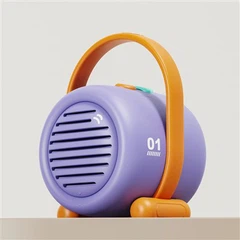
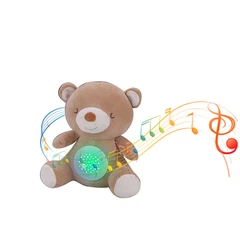

Recently, I've been working on a customer project that uses full-coverage water transfer printing-a process as mesmerizing as it is intricate. But here's the catch: our production speed is much slower than with other printing methods. Why? That's the million-dollar question! To help my client (and maybe you, dear reader!) understand the unique technical challenges of this method, I've put together this fun, detailed guide. Buckle up-let's take the plunge! 🏊♂️
What Is Water Transfer Printing?What Is Water Transfer Printing?What Is Water Transfer Printing?What Is Water Transfer Printing?
Imagine you could "wrap" an object in a beautiful, complex design-even if it's curved, bumpy, or shaped like a space potato. That's water transfer printing! Also known as hydrographic printing or water dipping, this technique uses a special printed film floating on water to transfer graphics onto almost any shape.Water Transfer PrintingWater Transfer Printing

Water transfer printing
How Does It Work?
Let's break it down-step by step, splash by splash:
Film Preparation The journey begins with a printed polyvinyl alcohol (PVA) film. This film holds the desired pattern-anything from camouflage to marble textures.
Water Bath Setup The film is carefully placed on the surface of a water tank, where it gently floats like a lily pad. 🪷
Activation Here comes the science! An activator chemical is sprayed onto the film, dissolving it into a gooey, ink-rich layer ready to cling to whatever touches it.
Dipping Time The object (let's say a helmet, a car dashboard, or even a duck statue) is slowly and skillfully dipped into the water. The ink wraps around every nook and cranny-no surface left behind!
Rinse & Dry After the dip, the object is rinsed to remove any excess film, then dried to perfection.
Clear Coat Finish For that glossy, durable finish, a protective clear coat is applied. Voilà! The object looks stunning and is ready to impress.

Step-Step process
So... Why Is Water Transfer Printing So Slow? 🐢
If you're used to lightning-fast screen or pad printing, water transfer might feel like watching paint dry-literally. Here's why:
Complex Steps: Each phase, from film setup to rinsing, demands care and precision. You can't rush art!
Manual Labor: Many steps require hands-on expertise. Robots are cool, but they don't have the finesse of a skilled technician (yet).
Environmental Controls: Water temperature, humidity, and activator dosage need to be just right. Too fast, and you'll get wobbly, distorted patterns. Too slow, and... well, you'll have time for a coffee break. ☕
Quality Over Quantity: Full coverage on weird shapes means extra attention to detail. No shortcuts allowed!

Why is water transfer printing so slow, because it has manual work to complete it one by one.
Water Transfer vs. Screen Printing vs. Pad PrintingScreen Printing vs. Pad PrintingScreen Printing vs. Pad PrintingScreen Printing vs. Pad PrintingScreen Printing vs. Pad PrintingScreen Printing vs. Pad Printing: The Showdown! 🥊
Let's see how our hydrographic hero stacks up against the classics:
Water Transfer Printing
Pros:Handles complex, 3D, and irregular surfaces like a boss.Achieves stunning, high-definition, full-color graphics.Ideal for premium, decorative, and personalized products.
Cons:Slow and labor-intensive.Higher material and operational costs.Consistency can be tricky for large batches.
Screen Printing
Pros:Fast, efficient, and perfect for flat or slightly curved surfaces.Thick, durable ink layers.Great for mass production.
Cons:Struggles with complex shapes.Limited color and detail for intricate designs.
Pad Printing
Pros:Excels at small, detailed areas and odd-shaped objects.Flexible for logos, text, and simple designs.Cost-effective for small runs.
Cons:Not suitable for large, full-coverage, or highly detailed graphics.Ink layer is thinner-less durable for heavy use.

Where Water Transfer Printing Shines 🌟
Automotive Parts: Dashboards, trims, and handles-bring on the carbon fiber and woodgrain!
Sports Equipment: Helmets, bats, and more-make your gear pop.
Consumer Electronics: Game controllers, speakers, and gadgets-style meets function.
Home Decor: Picture frames, vases, and furniture-customization galore!
Final Splash: Is Water Transfer Printing Right for You?
If your project demands full-coverage, high-impact graphics on objects that aren't flat as a pancake, water transfer printing is your go-to technique. Yes, it's slow. Yes, it's a bit finicky. But the results? Absolutely worth the wait! 😍
So next time you want to wrap a wild shape in a wild pattern, remember: sometimes, the best things in life take a little longer to dip, swirl, and shine.
Ready to make a splash? 🌊✨

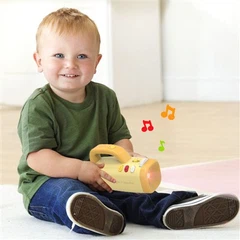
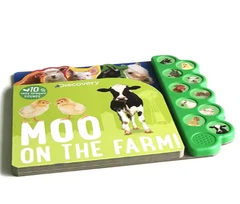
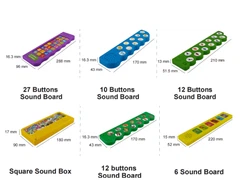
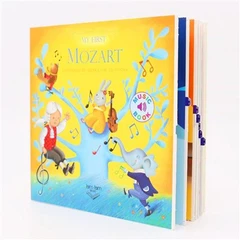
Our sound button product with water transfer printing under production
Questions? Need a quote? Or just want to geek out about surface finishing tech? Drop me a line-let's dive in together! 🦆