
I. Core Elements of Plastic Toy Design
Safety First
Material Safety: Must comply with international standards (e.g., EN71, ASTM F963, CPSIA). Avoid plastics containing BPA or phthalates.
Structural Safety:
Eliminate sharp edges or small detachable parts (to prevent choking hazards).
Age-specific design (e.g., toys for ages 0-3 must pass the "Small Parts Test Cylinder").
Functional Design
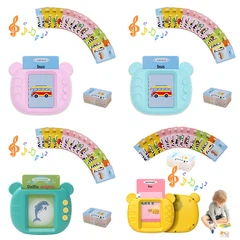
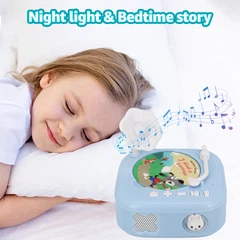
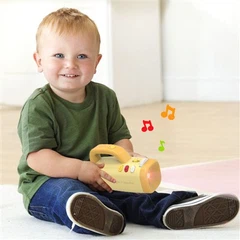
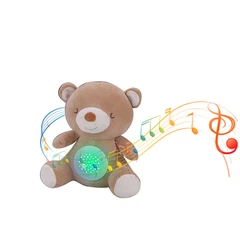
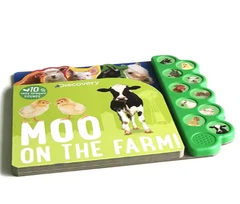
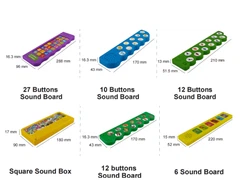
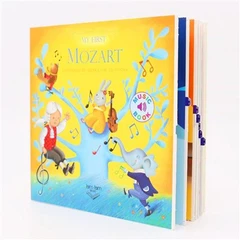
Interactivity: Integrate sound/light effects (e.g., embedded electronics) or modular structures (e.g., building blocks).
Educational Value: Align with STEAM principles (e.g., gear-driven mechanisms or physics experiment kits).
User Experience Optimization
Ergonomics: Adapt handle curvature and weight distribution to children's hand sizes (refer to China Children's Anthropometric Standards).
Sensory Stimulation: Use vibrant colors and mixed textures (e.g., smooth/rough surfaces for rattle toys).

II. Material Selection & Manufacturing Processes
Common Plastic Types
ABS: High rigidity, impact-resistant (e.g., LEGO bricks).
PP (Polypropylene): Food-grade safety for teethers and infant toys.
PVC: Low cost, easy dyeing (ensure phthalate-free).
TPE/TPR: Soft and elastic (used for squishy toys).
Processing Techniques
Injection Molding: Ideal for complex shapes; optimize mold design to reduce parting lines.
Blow Molding: For hollow structures (e.g., balls, doll bodies).
Post-Processing: UV printing (patterns), electroplating (metallic finishes).
Sustainability Trends
Biodegradable Plastics: PLA (polylactic acid) for eco-friendly toys.
Recycled Materials: Label "30% Recycled Material" to enhance brand appeal.

Compliance & Certifications
Global Standards
EU: CE Marking (EN71-1/2/3), REACH.
US: CPSC, California Proposition 65.
China: GB 6675-2014, CCC (for electric toys).
Key Tests
Physical: Torsion/tension, sharp edge checks.
Chemical: 19 soluble heavy metals, PAHs.

Our company is an international customization company integrating design and production, supporting customers to carry out ODM and OEM customization