

What Makes an AI Emotion Toy Different from Regular Smart Toys
Most smart toys today focus on games, stories, or basic voice commands. The AI Emotion Toy takes things further by prioritizing emotional intelligence. It uses a combination of sensors and processing to pick up on how a child is feeling, not just what they're saying.
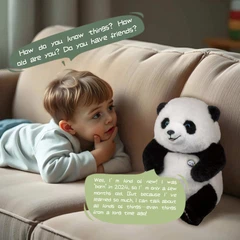
Imagine your child coming home after a tough day at school. Instead of just playing a song or telling a story, this companion notices the tone in their voice-maybe slower speech or a frustrated sigh-and responds accordingly. It might say something gentle like, "You sound a little upset. Want to tell me about it?" or offer a breathing exercise to help calm down.
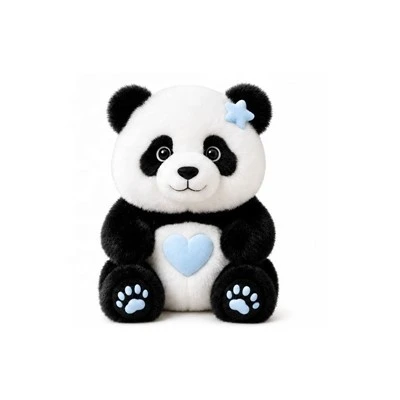
The technology includes vocal tone analysis, speech pattern recognition, and interaction history. On-device processing handles immediate responses for reliability even with spotty internet, while cloud capabilities allow for updates and deeper personalization over time. Touch sensors respond to hugs and cuddles, making the interaction feel more natural and comforting.
Safety and Quality Standards Parents Can Actually Trust
When it comes to anything for kids, safety comes first-and this toy doesn't cut corners. It meets a full lineup of international certifications that serious manufacturers use: CE, ROHS, EN71, FCC, BSCI, SEDEX, and ISO9001. These aren't just marketing checkboxes. They cover everything from material toxicity and electromagnetic safety to ethical manufacturing practices.
The plush exterior uses hypoallergenic, non-toxic fabrics that feel soft against sensitive skin. Electronics stay securely sealed inside durable casings that can handle the rough-and-tumble reality of childhood play. Parents don't have to worry about small parts or harmful substances.
Sustainability also plays a role here. The design incorporates recyclable packaging, energy-efficient components for longer battery life (up to seven days on a single charge), and responsibly sourced materials. In an era where many toys end up in landfills quickly, this approach aims for longevity and reduced environmental impact.


How the Technology Actually Works to Recognize Emotions
The magic happens through a thoughtful mix of hardware and software. Sensitive microphones capture not just words but the emotional nuances in a child's voice-excitement, sadness, frustration, or calm. Speech patterns like speaking speed, pauses, and intensity provide additional context. Over time, the toy builds a personalized understanding based on past interactions.
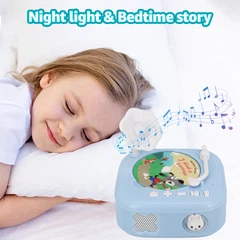
Context matters too. The system considers the time of day or activity-bedtime routines get different responses than playtime. This contextual awareness helps the toy feel more like a real companion rather than a generic robot.
Importantly, there's no camera built in. This deliberate choice prioritizes privacy, addressing a major concern many parents have with kids' tech products. A physical mute button gives children and parents complete control over when the toy is listening.
Supporting Emotional Development Through Everyday Play
One of the most valuable aspects is how this toy helps children build emotional vocabulary. Many kids struggle to identify and name their feelings. The AI Emotion Toy gently models language around emotions and asks thoughtful questions that encourage self-expression.
It supports empathy development by exploring scenarios through stories and conversations. A child might practice how they would comfort a friend who's sad or think about how their actions affect others. These skills matter tremendously for social success later in life.
When big feelings hit-meltdowns, anxiety before tests, or disappointment over lost games-the toy offers practical coping tools. Simple breathing exercises, distraction techniques, problem-solving prompts, and non-judgmental listening create a safe space for emotional regulation.
Confidence building happens through consistent positive reinforcement. The toy celebrates efforts, encourages trying again after setbacks, and helps children feel heard and understood. In a world where kids often feel pressure to perform perfectly, having a patient companion who values the process can make a real difference.


Customization Options for Brands and Families
The platform shines for those wanting something unique. Whether you're a parent looking for a personalized gift or a business developing branded products, extensive customization is available through OEM and ODM services.
Companies can integrate existing characters, create custom voices, program specific emotional responses, and upload original content libraries. Design elements like colors, fabrics, and accessories can match brand identities perfectly. Rapid prototyping means concepts can become physical samples in just a few days.
This flexibility opens doors for educational publishers, children's brands, and creative entrepreneurs who want to combine storytelling with emotional intelligence training.
Privacy-First Design in an Era of Data Concerns
Parents rightfully worry about what happens to their children's interactions with smart devices. This toy addresses those concerns head-on. Emotional data processing happens on-device whenever possible. No cameras mean no visual recording. Interaction data isn't sold or shared with third parties.
A parental dashboard provides transparency and oversight without invading the child's private moments with their companion. All content gets reviewed by child development specialists to ensure age-appropriate responses.
Why This Matters for Modern Parenting
Today's children navigate complex emotional landscapes. Screen time debates, academic pressure, social media influences, and changing family dynamics create new challenges. Tools like the AI Emotion Toy don't replace parents, teachers, or therapists-but they can supplement the support system.
They provide 24/7 availability for those middle-of-the-night fears or after-school venting sessions when adults aren't immediately free. The consistent, patient nature of the interaction helps reinforce emotional learning concepts that parents and educators work on.
Research in affective computing and child development continues to show promise in these areas. While no toy can replace human relationships, thoughtfully designed technology can create additional opportunities for growth and connection.


The Manufacturing Expertise Behind the Product
Companies like XDT bring over 15 years of experience in educational toys and kids' tech to this space. Their in-house capabilities cover everything from AI programming to final assembly, with a large team dedicated to quality control. Serving clients across more than 120 countries demonstrates their ability to meet diverse market needs while maintaining high standards.
The focus on end-to-end control helps ensure both the emotional AI features and the physical toy meet rigorous requirements for safety and durability.
Looking Toward the Future of Play
The AI Emotion Toy sits at the intersection of technology and human connection. As artificial intelligence becomes more sophisticated, its application in children's products deserves careful consideration. When done right-with strong safety protocols, privacy protections, and genuine developmental benefits-these tools have potential to support healthier emotional growth.
Parents considering these technologies should evaluate them based on several factors: safety certifications, privacy features, developmental alignment, and how well they complement rather than replace human interaction.
The goal isn't perfect emotional intelligence from a machine. It's creating more opportunities for children to understand themselves and others better, practice important skills, and feel supported throughout their day.
As families explore these options, the conversation should focus on balance. Technology as a thoughtful supplement to rich human relationships, outdoor play, and real-world experiences. When approached this way, innovations like emotional AI toys could become valuable allies in raising resilient, empathetic children ready to navigate whatever the future brings.
The question isn't whether technology will play a role in children's emotional development. It's how we can guide that role responsibly. Toys that listen, respond, and care-within clear boundaries and with strong values-represent one promising path forward in this evolving landscape.