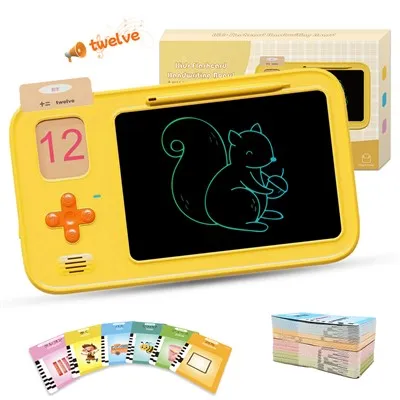

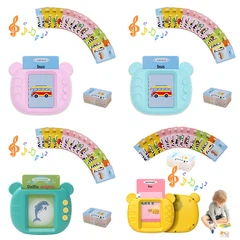
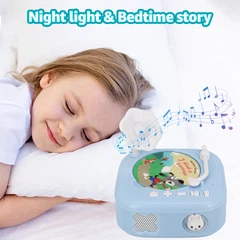
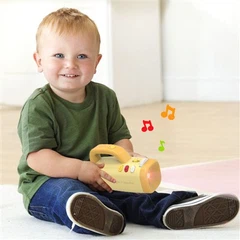
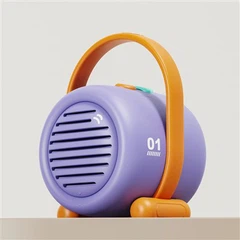
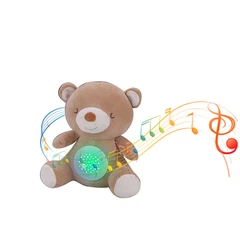

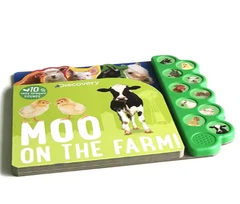
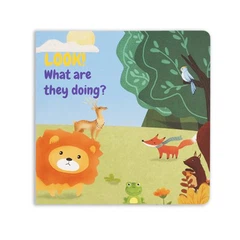
The remarkable success of children's storytelling devices in Europe and America is not a random consumer trend, but a masterclass in addressing nuanced market needs. While the initial article outlined the key reasons for their popularity, a deeper analysis reveals the sophisticated strategic underpinnings that manufacturers and marketers can learn from.

1. The Seamless Integration into Cultural Routines, Not Just Tradition
It's insufficient to merely acknowledge the "bedtime story" tradition. The true genius of these devices lies in their daypart functionality. They are designed for specific moments throughout a child's day: quiet morning play, afternoon relaxation, and the critical bedtime wind-down. This moves the product from a mere toy to a tool for parental routine management, embedding itself into the daily fabric of family life. It solves a practical problem-keeping children engaged without screen time-while honoring a cultural value.
2. The "De-Screened" Premium: A Value Proposition Beyond Safety
The "screen-free" appeal is more than just eye health. It taps into a broader parental desire for "slow parenting" and tangible experiences. In a world saturated with digital overload, these devices represent a conscious, almost nostalgic, choice for analog engagement. They offer a premium, curated alternative to the chaotic and often ad-driven world of YouTube Kids. Parents aren't just buying a safe product; they are buying into an ethos of intentional, mindful consumption, which justifies a higher price point.

3. The Content Ecosystem: The True Lock-In Strategy
The hardware is merely the gateway. The real business model thrives on a recurring content ecosystem. By partnering with powerhouse IPs like Disney and BBC, these companies create a powerful "razor-and-blade" model. The initial device purchase is followed by ongoing revenue from character-led content cards or subscriptions. This creates brand loyalty and high customer lifetime value. Parents perceive continued value as new stories and educational content are released, making the initial investment feel more justified over time.

4. Design Philosophy: Fostering Agency and Reducing Decision Fatigue
The design principles address two key users: the child and the parent.
For the Child: The simple, tactile controls (cards, buttons) are engineered to foster independent play and agency. This is a core tenet of modern child development theory. The device becomes the child's own, not another parental gadget they need help with.
For the Parent: The curated, offline nature of the device significantly reduces parental decision fatigue. It offers a guilt-free, pre-vetted entertainment option. There's no need to constantly search for appropriate apps or videos, making it an easy and reliable choice for busy parents.
5. Positioning Within the "Gifting Economy"
Their success as gifts is no accident. The storytelling device perfectly fits the criteria for a "considered gift"-one that is perceived as thoughtful, educational, and long-lasting. For gift-givers (like grandparents), it is a meaningful alternative to another plastic toy or clothing item. It allows them to give the gift of stories and learning, strengthening their emotional connection with the child. The clear branding around development makes it an easy and prestigious choice.

Strategic Implications for the Market
For businesses looking to enter or compete in this space, the lesson is clear: the product is the platform, and the content is the king. Simply creating a speaker that plays stories is not enough. Success hinges on:
Building a Robust Content Library: Securing high-quality, recognizable IP is non-negotiable.
Articulating a Deeper Value Proposition: Market the ethos of mindful parenting and independent play, not just the features of the device.
Designing for Dual Audiences: Create an experience that delights the child while simplifying life for the parent.
The storyteller's demand is a powerful case study of a product that successfully navigates the intersection of cultural values, modern anxieties, and smart business strategy. It demonstrates that the most successful modern toys are those that solve real problems for both children and their parents.
The storyteller's demand is a powerful case study of a product that successfully navigates the intersection of cultural values, modern anxieties, and smart business strategy. It demonstrates that the most successful modern toys are those that solve real problems for both children and their parents.
American Academy of Pediatrics (AAP)
Source: AAP regularly publishes and updates its Media and Children Guidelines.
Link: https://www.aap.org/en-us/advocacy-and-policy/aap-health-initiatives/Pages/Media-and-Children.aspx
Content: It explicitly recommends avoiding any screen time for infants under 18 months (except video chatting) and limits screen time to one hour per day of high-quality programming for children aged 2 to 5. This directly supports the argument about "screen time concerns" and the search for alternatives.
Common Sense Media
Source: The organization regularly releases The Common Sense Census: Media Use by Kids and Tweens series of reports.
Link: https://www.commonsensemedia.org/research
Content: The reports provide detailed data on screen time, device ownership, and content preferences across different age groups, offering quantitative support for the background of "increasing screen time."
2. Market Data and Trend Analysis
The market size, growth forecasts, and consumer behavior insights in the article typically come from top market research firms.
NPD Group
Source: NPD's Global Toy Market Reports and retail tracking data.
Content: They track sales data for subcategories under "traditional toys" (such as "children's audio players" or "educational toys"). You can search their press releases or purchase detailed reports to obtain specific sales data and market share for brands like Toniebox or Yoto.
Search Suggestion: On the NPD official website, search for keywords such as "audio player," "screen-free toys," "Toniebox."
Euromonitor International
Source: Euromonitor's Toys and Games industry reports.
Content: Provides broader industry analysis, including consumption trends, competitive landscape, brand strategy analysis, and trends related to the storytelling device concept, such as "sustainable development" and "experiential consumption."
Access: Typically requires access through academic institutions or corporate subscriptions to their Passport database.
3. Educational Philosophy (e.g., Montessori)
The article mentions that storytelling devices align with the Montessori philosophy of "active learning."
Academic Support: Maria Montessori's original works, such as The Discovery of the Child, emphasize the importance of self-correction and hands-on learning. Storytelling devices, operated independently by children (e.g., changing cards) and stimulating imagination rather than passive reception, align with this philosophy.
Modern Interpretation: Institutions like the American Montessori Society (AMS) provide interpretations of its educational principles on their official websites, emphasizing "limited, carefully prepared materials" and "fostering independence," which aligns with the design philosophy of storytelling devices.