When "safety first" becomes a consensus and "age-appropriate selection" becomes common knowledge, can we take our thinking about toys a step further? Toys are not just a source of joy; they are a miniature "environment for growth." How do they impact a child's development? How can parents advance from being mere "shoppers" to becoming "guides"? This article will help you look beyond the surface and re-examine the deeper value of toys.
I. Safety: From "Qualified" to "Optimal" – A Philosophy of Materials
We already know to check for the "3C Certification," but this is only the starting point for safety. Advanced parents begin to pay attention to the "philosophy" behind the materials.
Grades of Plastic: Beyond avoiding strong odors, one can learn about different types of plastics. For example, ABS plastic is sturdy and safe, often used in high-quality building blocks, while food-grade silicone is a top choice for teethers and soft blocks.
The Soul of Wood: High-quality solid wood toys are not only durable but also convey the warmth and texture of nature. They cultivate a child's perception of materials; their weight and feel are a form of learning in themselves. The quality of edge sanding, the use of plant-based oils or water-based paints-all reflect a pursuit from "qualified" to "optimal."
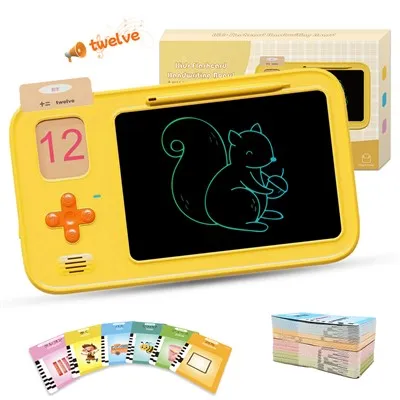
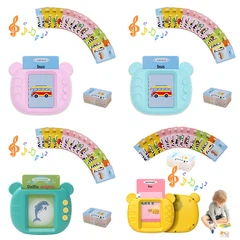
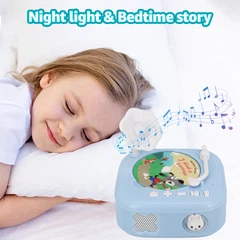
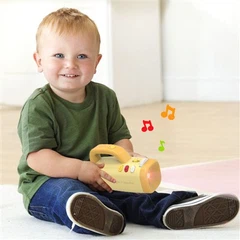
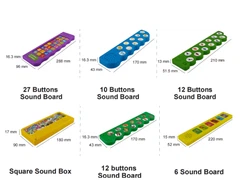
The "Degree" in Electronic/Light-Up Toys: Not all electronic or light-up toys should be dismissed. The key lies in the "degree." Harsh sounds and rapidly flashing lights can overstimulate infants and young children. High-quality electronic toys often feature softer lights, pleasant sounds, and are controlled actively by the child (e.g., sound on press) rather than providing passive, continuous output.

II. Open-Ended Toys: The Cornerstone for Fostering a "Growth Mindset"
The core of "less is more" lies in advocating for "open-ended toys." These toys have no fixed way to play, no single right answer, and their value far exceeds that of "closed-ended toys" which have a single function or a button that does everything.
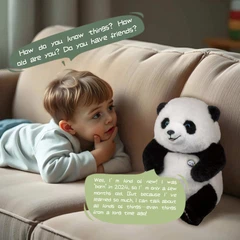
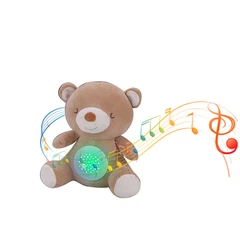
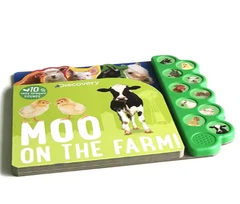
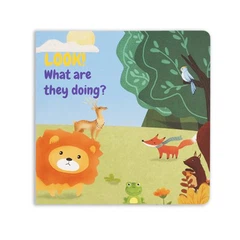
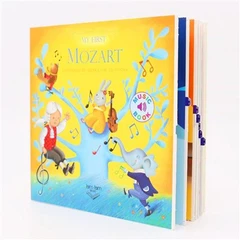
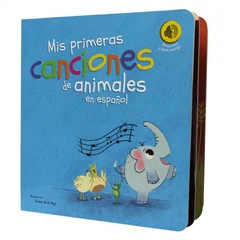
What are Open-Ended Toys? Building blocks, AI Talking plush toy , sound book, simple dolls, and animal figures fall into this category. A set of magnetic tiles can be a castle today, a car tomorrow, and a spaceship the day after.
The Link to a "Growth Mindset": Through repeated trial, construction, and inevitable failures (a tower falls, a bridge collapses), open-ended toys provide a natural context for children to face and solve these problems. They thereby learn resilience, experimentation, and creative thinking-the core of a "growth mindset." In contrast, single-function, closed-ended toys can lead children into "passive entertainment," becoming dull once the novelty wears off.
III. The Parent's Role: From "Purchaser" to "Playmate" and "Observer"
The highest-quality toys also require the highest-quality "accessory"-that is, the thoughtful presence and keen observation of a parent.
Be a "Playmate," Not a "Director": When playing with your child, let go of the notion of "how it should be played." You can be a co-storyteller ("This dinosaur seems lost, shall we help it find home?") or a questioner ("How can we make this bridge stronger?"), but return the lead in exploration and decision-making to the child.
Be an "Observer" to Discover True Interests: A child's interests are not static. By observing how they play with existing toys, you can discover clues about their next developmental stage. Does they always line up blocks? They might be sensitive to order and patterns, suggesting an introduction to simple pattern puzzles. Do they enjoy telling stories to dolls? They might be at a key stage of socio-emotional development, indicating a need for more role-play props. This "feeding" of interests based on observation is far more effective than blindly following trends.

IV. The Art of Balance: Finding the Fulcrum Between "Interest-Led" and "Guided Expansion"
Following only a child's known interests might limit their horizons, while forcibly introducing unfamiliar areas could cause rejection. How to balance?
The "Scaffolding" Strategy: Build upon the child's existing interests by adding small, new elements, gradually expanding like scaffolding. For example, if a child likes construction vehicles, beyond collecting more models, you could introduce related picture books (expanding knowledge), create a "construction site" with sand (expanding play), or even build a simple "excavator" together from cardboard boxes (combining creative arts). This way, new knowledge and play methods take root naturally within a familiar comfort zone.
Conclusion
Choosing toys ultimately means choosing a parenting philosophy. When we stop seeing toys as simple distractions or rigid teaching tools and start viewing them as "tools for development" that support children's active exploration and knowledge construction, our choices take on deeper significance. This requires us to be not only savvy consumers but also attentive observers and wise guides. In this process, what we experience with our children is a wonderful journey of creation, failure, and growth.