Toys are an essential part of children's growth, and parents, as the primary purchasing decision-makers, are influenced by multiple factors when selecting toys. Understanding these key factors not only helps brands optimize product design but also enables retailers to develop more precise marketing strategies. This article provides an in-depth analysis of the core decision-making factors for parents when buying toys, supported by data and industry insights.

I. Hierarchy of Core Decision-Making Factors
Safety & Quality (Foundation Layer)
Global toy safety certifications (e.g., EN71, ASTM F963) are prerequisites for purchase.
2023 U.S. CPSC data shows that material safety issues accounted for 73% of toy recalls.
Chinese parents' searches for "bite-safe materials" increased by 210% YoY (JD Consumer Research).
Educational Value (Cognitive Layer)
The STEM toy market has a CAGR of 12.4% (Grand View Research).
Toys based on Montessori/Reggio Emilia principles command a 30-50% price premium.
Parental acceptance of "coding toys" rose from 17% in 2018 to 43% in 2023.
Age-Appropriateness (Matching Layer)
Poor age-specific design increases return rates by 2.3x (Target internal data).
LEGO's "age granularity" strategy boosted repurchase rates by 28%.

II. Dynamic Influencing Factors Matrix
| Factor | High-Income (>$70k/yr) | Middle-Class ($20k-$70k) | General (<$20k) |
|---|---|---|---|
| Brand Premium Acceptance | 58% | 32% | 11% |
| Emphasis on Educational Value | 92% | 87% | 63% |
| Price Sensitivity | 21% | 65% | 89% |
| Social Media Influence | 41% | 68% |
53%
|
Educational Value (Edutainment Demand)
STEM Toys and Cognitive Development
Modern parents increasingly prefer toys that promote intellectual growth, such as:
STEM toys (programming robots, science experiment kits)
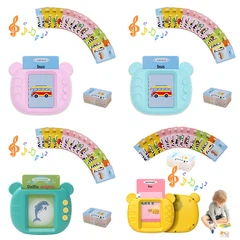
Language toys (interactive reading pens, bilingual early learning devices)
Logic-training toys (building blocks, puzzles, board games)

Brand Trust (Established Brands vs. Emerging Brands)
Why Do Parents Trust Big Brands More?
Brands like LEGO, Fisher-Price, and Disney have built trust through years of reputation.
Emerging brands rely on KOL reviews and expert endorsements (e.g., pediatrician recommendations) to establish credibility.