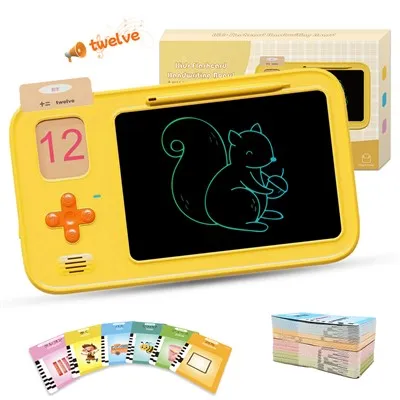
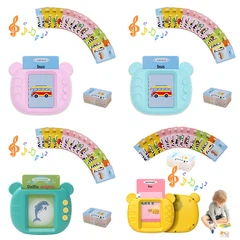

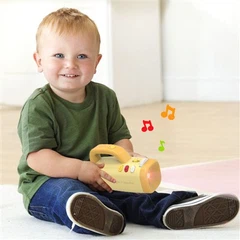





When we talk about toys that have stood the test of time, we often think of classic board games or wooden blocks. But in the world of electronics, there is one toy that has not only survived but thrived and evolved with each new generation: the handheld electronic game.

From Simple Beginnings
The journey began decades ago with simple, pixelated devices. Early handheld games offered basic challenges-catching falling objects, guiding a dot through a maze, or matching shapes. These toys were powered by simple batteries and featured only a few buttons. Yet, for many children, they opened a new world of interactive play.
Adapting to New Technology
As technology advanced, so did these games. Screens became brighter, graphics sharper, and sounds more immersive. The introduction of color displays, touch screens, and motion sensors transformed the way children interacted with their toys. Suddenly, the handheld electronic game was not just about pressing buttons-it was about swiping, tilting, and even speaking.
Connecting Generations
What makes electronic toys unique is their ability to connect generations. Parents who played with early handheld games now watch their children explore modern versions. Grandparents may remember the excitement of their first beeping game, while grandchildren compete on the latest digital adventures. The core of the experience-fun, challenge, and discovery-remains unchanged.
Inspiring Creativity and Learning
Modern electronic toys do more than entertain. Many are designed to inspire creativity and learning. Coding games, music makers, and interactive puzzles encourage children to think critically and solve problems. Some even adapt to a child's skill level, making the experience rewarding and personalized.
The Future: Endless Possibilities
With the rise of artificial intelligence and augmented reality, the evolution of electronic toys is far from over. Future generations will experience new forms of play that we can only imagine today. But one thing is certain: the spirit of curiosity and joy that began with the very first handheld game will continue to inspire children for years to come.

A simple electronic toy, once powered by a few batteries and a handful of buttons, has become a bridge across generations-connecting the past, present, and future of play.